
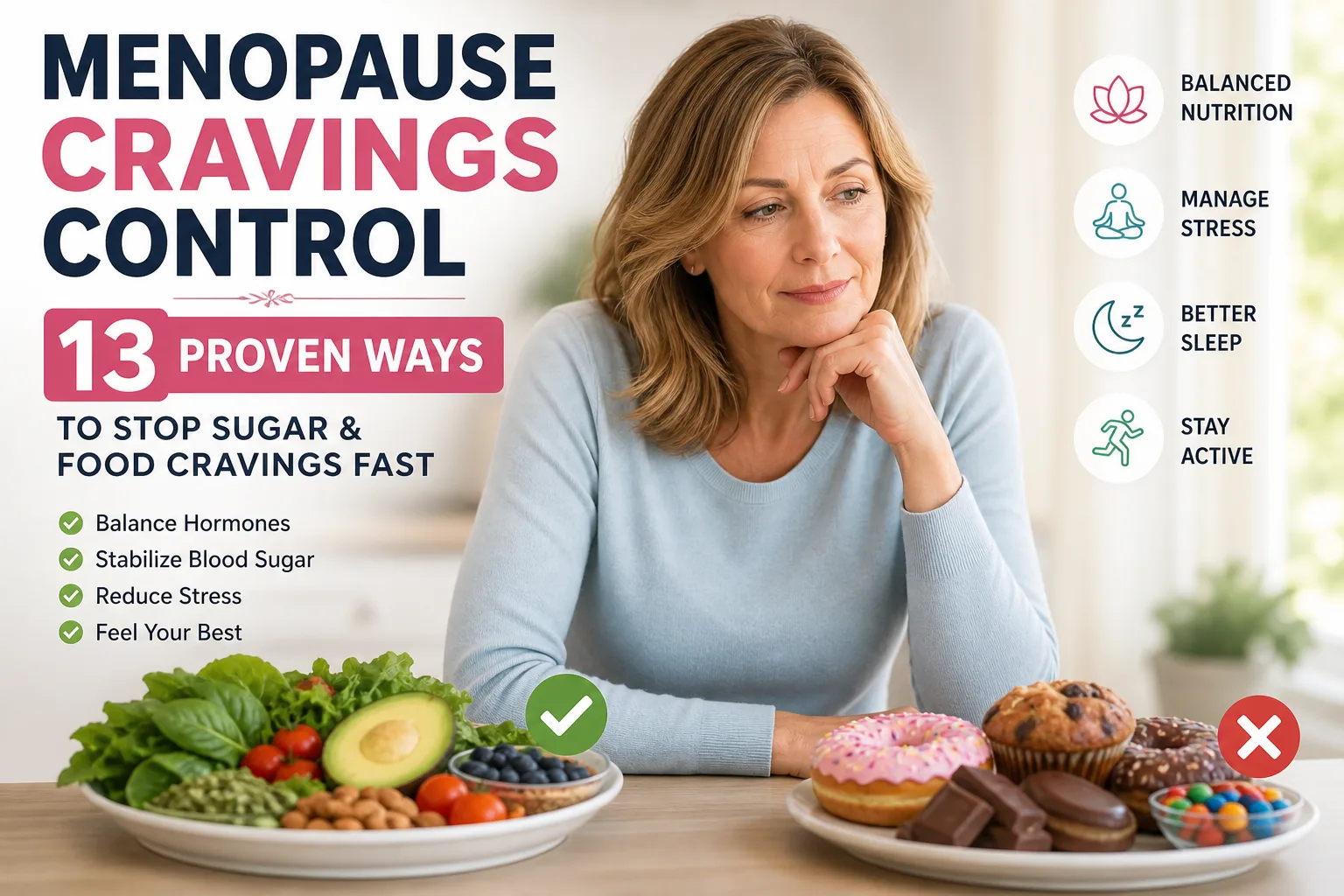
Menopause changes many things in a woman’s body, and food cravings often top the list. One day you feel in control, and the next day your brain demands chocolate like it’s a life necessity. If that sounds familiar, you are not alone. Many women struggle with sudden, intense urges for sugar, salt, or carbs during this stage of life.
Understanding menopause cravings control is not about willpower alone. It is about biology, hormones, and smart lifestyle choices. When you understand what is happening inside your body, you can take practical steps to manage cravings without feeling deprived.
Let’s break it down in a clear and realistic way.
What Causes Cravings During Menopause
Menopause affects hormones, and hormones affect hunger. The connection runs deeper than most people think.
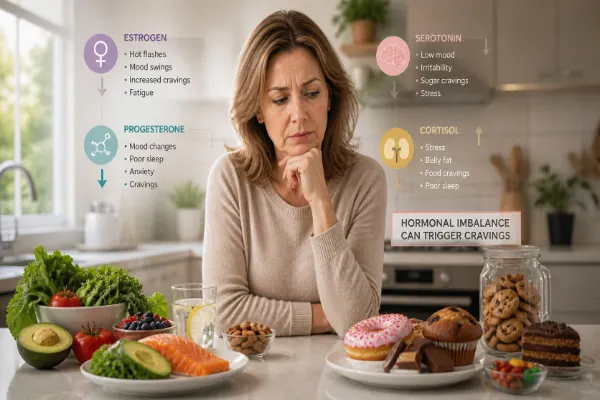
During menopause, levels of estrogen drop significantly. Estrogen helps regulate appetite, metabolism, and even mood. When it declines, your body struggles to maintain balance. This imbalance often leads to increased hunger and stronger cravings.
At the same time, serotonin levels may drop. Serotonin is the “feel-good” chemical in your brain. Lower serotonin levels can push your body to crave sugary or high-carb foods because those foods temporarily boost mood.
Cortisol also plays a role. Stress levels often rise during menopause due to sleep issues, mood swings, or life changes. Higher cortisol can increase cravings for comfort foods, especially those high in sugar and fat.
So if you feel like your cravings came out of nowhere, they did not. Your body is responding to real chemical shifts.
If you want to understand why these cravings start in the first place, read our detailed guide on Menopause Hormone Changes Signs: Early Symptoms Every Woman Should Know.
Why Menopause Cravings Feel Stronger
Cravings during menopause often feel more intense than before. That is because multiple systems in your body change at the same time.
Your metabolism slows down. This means your body burns fewer calories, yet your appetite might increase. That mismatch creates a frustrating situation.
Sleep disturbances also play a big role. Poor sleep affects hunger hormones like ghrelin and leptin. Ghrelin increases hunger, while leptin signals fullness. When sleep suffers, ghrelin rises and leptin drops. The result is simple. You feel hungrier and less satisfied after eating.
Mood swings can make things even harder. Emotional eating becomes more common because food offers quick comfort.
This combination makes menopause cravings control feel challenging, but not impossible.
The Science Behind Cravings and Hormones
To manage cravings effectively, you need to understand the hormonal triggers.
Estrogen influences insulin sensitivity. When estrogen drops, your body may become less efficient at managing blood sugar. This can lead to blood sugar spikes and crashes. Those crashes often trigger cravings, especially for sweets.
Progesterone also declines during menopause. Lower progesterone can affect mood and increase anxiety, which may push you toward emotional eating.
Insulin resistance can increase as well. This means your body struggles to use glucose properly, leading to more hunger signals.
These biological factors explain why simple dieting often fails during menopause. You need a smarter approach that works with your body, not against it.
Practical Strategies for Menopause Cravings Control
Now comes the part that matters most. What can you actually do?
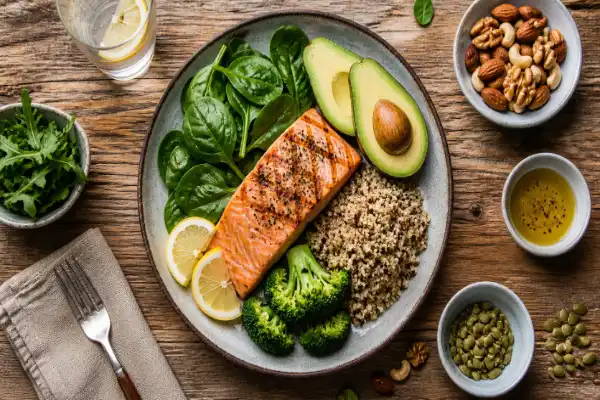
Start with balanced meals. Each meal should include protein, healthy fats, and fiber. This combination stabilizes blood sugar and keeps you full longer. For example, eggs with vegetables and avocado work better than a sugary breakfast cereal.
Protein deserves special attention. It reduces hunger hormones and increases feelings of fullness. Include sources like chicken, fish, beans, or Greek yogurt in your meals.
Fiber slows digestion and prevents blood sugar spikes. Vegetables, fruits, whole grains, and legumes provide excellent fiber.
Healthy fats also help. Nuts, seeds, olive oil, and fatty fish support hormone health and keep cravings in check.
The Role of Blood Sugar Stability
Blood sugar swings often drive cravings. When your blood sugar rises quickly and then crashes, your body looks for quick energy. That usually means sugar or refined carbs.
To avoid this cycle, eat at regular intervals. Skipping meals can make cravings worse later in the day.
Choose complex carbohydrates instead of refined ones. Whole grains, sweet potatoes, and legumes provide steady energy.
Pair carbs with protein or fat. For example, instead of eating fruit alone, add nuts or yogurt. This slows sugar absorption and keeps you satisfied.
Menopause cravings control becomes much easier when your blood sugar stays stable.
How Sleep Affects Cravings
Sleep and cravings share a strong connection. Poor sleep increases hunger and reduces self-control.
During menopause, many women experience insomnia or night sweats. These issues disrupt sleep quality.
When you do not sleep well, your brain looks for quick energy. That often means sugary or high-calorie foods.
Improving sleep can reduce cravings significantly. Try to maintain a consistent sleep schedule. Keep your bedroom cool and dark. Avoid screens before bedtime.
Even small improvements in sleep can make a noticeable difference in your appetite.
Managing Stress to Reduce Cravings
Stress triggers cravings. It pushes your body to seek comfort and quick energy.
Menopause often brings emotional and physical stress. Hormonal changes, life transitions, and sleep problems all contribute.
You do not need complicated solutions. Simple practices can help.
Regular physical activity reduces stress and improves mood. Walking, yoga, or light strength training works well.
Deep breathing exercises calm the nervous system. Even five minutes can help.
Mindful eating also makes a difference. Pay attention to what you eat and how it makes you feel. This awareness reduces emotional eating.
When stress decreases, cravings often follow.
Smart Snacking Without Guilt
Snacking is not the enemy. The type of snack matters more than the act itself.
Choose snacks that combine protein and fiber. Apple slices with peanut butter, yogurt with berries, or nuts with seeds are good examples.
Avoid highly processed snacks. They often contain added sugars and unhealthy fats that increase cravings later.
Plan your snacks in advance. This prevents impulsive choices when hunger hits.
Menopause cravings control becomes easier when your snacks support your goals instead of working against them.
Hydration and Its Hidden Impact
Dehydration often disguises itself as hunger. You might think you need food when your body actually needs water.
Drink water regularly throughout the day. Start your morning with a glass of water and continue consistently.
Herbal teas can also help. They provide hydration and may reduce the urge to snack.
Limit sugary drinks. They can cause blood sugar spikes and increase cravings.
Staying hydrated sounds simple, but it plays a powerful role in controlling cravings.
The Importance of Physical Activity

Exercise does more than burn calories. It helps regulate hormones and reduce cravings.
Regular movement improves insulin sensitivity. This helps your body manage blood sugar more effectively.
Exercise also boosts mood by increasing endorphins. This reduces emotional eating.
You do not need intense workouts. Consistency matters more than intensity.
Walking, swimming, yoga, or strength training all work well. Find something you enjoy and stick with it.
Physical activity supports menopause cravings control in a natural and sustainable way.
Foods That Help Reduce Cravings
Certain foods can naturally reduce cravings.
Protein-rich foods like eggs, fish, and legumes keep you full longer.
High-fiber foods like vegetables, fruits, and whole grains stabilize blood sugar.
Magnesium-rich foods such as leafy greens, nuts, and seeds may help reduce sugar cravings.
Omega-3 fatty acids found in fatty fish support brain health and mood.
These foods do not eliminate cravings overnight, but they make them easier to manage over time.
Foods That Make Cravings Worse
Some foods trigger more cravings instead of satisfying them.
Refined sugars cause rapid spikes and crashes in blood sugar.
Processed foods often contain additives that increase appetite.
Highly salty foods can lead to more cravings for both salt and sugar.
Limiting these foods helps break the cycle of constant cravings.
You do not need to eliminate them completely. Moderation works better than restriction.
Emotional Eating During Menopause
Emotional eating becomes more common during menopause. Hormonal changes can affect mood, leading to comfort eating.
Recognize your triggers. Are you eating because you are hungry, or because you feel stressed or bored?
Find alternative ways to cope with emotions. Talking to someone, going for a walk, or engaging in a hobby can help.
Do not aim for perfection. Occasional emotional eating is normal. The goal is awareness and balance.
Building Long Term Habits
Quick fixes rarely work. Sustainable habits create lasting results.
Focus on small changes. Improve one habit at a time instead of trying to change everything at once.
Be consistent. Results come from daily actions, not occasional efforts.
Listen to your body. Everyone responds differently. Pay attention to what works for you.
Menopause cravings control is a journey, not a one-time solution.
When to Seek Professional Help
If cravings feel overwhelming or lead to significant weight gain, consider professional guidance.
A registered dietitian can help create a personalized plan.
Healthcare providers can check for underlying issues like insulin resistance or thyroid problems.
Support makes the process easier and more effective.
Frequently Asked Questions
What causes cravings during menopause?
Cravings during menopause mainly occur due to hormonal changes, especially a drop in estrogen levels. This affects mood, blood sugar balance, and hunger hormones, which increases the desire for sugary or high-carb foods. Understanding these changes is the first step toward effective menopause cravings control.
How can I control sugar cravings during menopause naturally?
You can improve menopause cravings control by eating balanced meals with protein, fiber, and healthy fats. Staying hydrated, managing stress, and getting enough sleep also reduce sugar cravings naturally. Avoid skipping meals because it can lead to blood sugar crashes and stronger cravings.
Do menopause cravings lead to weight gain?
Yes, menopause cravings can contribute to weight gain if not managed properly. Hormonal changes slow metabolism and increase appetite, which makes it easier to overeat. Practicing menopause cravings control through mindful eating and regular exercise helps prevent unwanted weight gain.
What foods help reduce menopause cravings?
Foods rich in protein, fiber, and healthy fats support menopause cravings control. Examples include eggs, nuts, seeds, vegetables, whole grains, and fatty fish. These foods stabilize blood sugar levels and keep you full for longer, which reduces sudden cravings.
How long do menopause cravings last?
Menopause cravings can last throughout perimenopause and sometimes into postmenopause, depending on hormonal balance and lifestyle habits. With proper menopause cravings control strategies like healthy eating, stress management, and good sleep, the intensity of cravings usually decreases over time.
Final Thoughts
Menopause changes your body, but it does not take away your control. Cravings may feel stronger, but they are manageable with the right approach.
Focus on balanced nutrition, stable blood sugar, good sleep, stress management, and regular activity. These strategies work together to reduce cravings naturally.
Instead of fighting your body, work with it. That shift makes all the difference.
Menopause cravings control is not about strict rules or extreme diets. It is about understanding your body and making smarter choices every day.
Sources
National Institute on Aging
Harvard Health Publishing
Mayo Clinic
Cleveland Clinic
Office on Women’s Health
American Heart Association
Author Bio
Written by Emily Carter, Menopause Health Researcher & Women’s Wellness Writer.
She specializes in menopause-related weight gain, hormonal changes, and natural strategies for women over 40.
Health Disclaimer
This content is for informational purposes only and is not intended to diagnose, treat, or cure any disease. Always consult your healthcare provider before making changes to your diet or health routine. This article may include affiliate links, which come at no extra cost to you.