
Dr. Preet Pal SB, MD
Physician specializing in diabetes, metabolic health, and joint care management. Read More About Dr. Preet Pal’s Medical Credentials & Editorial Integrity Here
Table of Contents
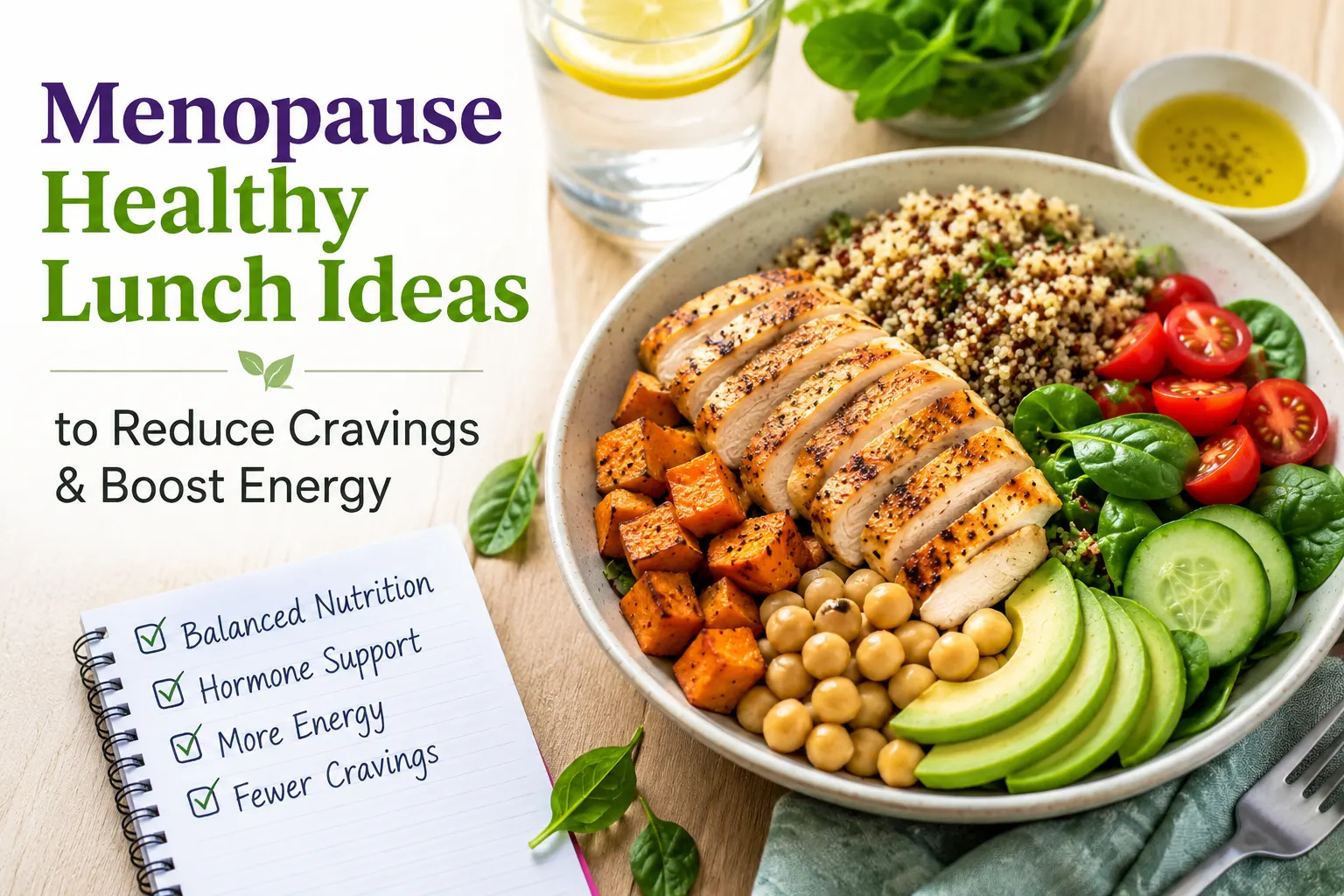
Menopause changes many things, including the way your body reacts to food. One day your usual sandwich feels fine. The next day you feel bloated, sleepy, hungry again in an hour, and somehow craving potato chips at 3 PM like your life depends on them. Hormones can turn lunchtime into a confusing experience.
The good news is that smart food choices can make menopause easier. A balanced menopause healthy lunch can support energy, mood, digestion, metabolism, muscle health, and even hot flashes. You do not need extreme diets or complicated meal plans. You just need meals that work with your changing body instead of against it.
Many women notice weight gain during menopause because estrogen levels drop and muscle mass naturally declines with age. According to the Mayo Clinic, hormonal changes combined with aging and lifestyle factors can slow metabolism and shift fat storage toward the abdomen. That does not mean weight gain is unavoidable. Nutrition still plays a major role.
A healthy menopause lunch should include protein, fiber, healthy fats, and slow-digesting carbohydrates. This combination helps stabilize blood sugar, reduce cravings, and keep you satisfied longer. It also supports heart health and bone health, which become even more important during menopause.
At a Glance: Designing a Menopause-Friendly Lunch
Core Objective: Stabilize fluctuating estrogen-driven blood sugar dips, mitigate belly bloating, preserve lean muscle, and sustain afternoon cognitive energy.
Ideal Plate Composition:
- Lean Protein (25–30g): Wild salmon, grilled chicken breast, organic tofu, or Greek yogurt to preserve muscle mass.
- Fermentable & Soluble Fiber (8–10g): Chia seeds, legumes, roasted cruciferous vegetables, or quinoa to nourish gut flora.
- Anti-Inflammatory Healthy Fats (10–15g): Extra virgin olive oil, avocado, or walnuts to aid hormone signaling and cardiovascular resilience.
- Low-Glycemic Complex Carbs: Sweet potatoes or wild rice to avert mid-afternoon cortisol spikes.
Primary Rule: Incorporating a targeted menopause healthy lunch stabilizes daily insulin fluctuations, preventing sudden mid-afternoon brain fog, abdominal weight accumulation, and uncomfortable gastrointestinal distension.
Navigating midlife nutritional needs often feels like working with a moving target. Meals that once sustained you effortlessly can suddenly leave you feeling lethargic, uncomfortably bloated, and searching for sugary snacks by mid-afternoon.
During the menopausal transition, declining estrogen levels alter your cellular response to insulin, slow gastrointestinal motility, and accelerate muscle turnover. Preparing a balanced menopause healthy lunch is not about restrictive calorie counting; it is about strategically fuel-matching your shifting biology to preserve metabolism, balance mood, and sustain vitality throughout the workday.
Good Lunch Menopause Women Need for Metabolic Stability
During perimenopause and postmenopause, falling estrogen directly impacts insulin sensitivity and hepatic fat processing. Think of your metabolic engine during midlife like a car operating with worn-out shock absorbers: while high-carbohydrate meals used to pass through smoothly, refined grains and excess sugars now create severe metabolic bumps, triggering erratic blood sugar spikes followed by dramatic energy crashes.
(High Insulin)
When blood sugar plummets around 2:00 PM, your adrenals secrete cortisol to compensate. Elevated cortisol signals the body to store visceral fat around the midsection.
To break this cycle, understanding menopause metabolism changes is critical. Prioritizing dietary protein and fiber at midday buffers glucose absorption, keeping insulin levels flat and preventing forced cortisol release.
Key Structural Components of a Hormone-Balancing Midday Meal
A truly restorative lunch relies on four foundational pillars designed to work in synergy:
1. High-Leucine Lean Proteins
As estrogen drops, muscle mass declines at a rate of roughly 1% per year after age 40. Protein provides essential amino acids like leucine, which acts as the chemical key to unlock muscle protein synthesis. Aim for wild-caught fish, turkey, tempeh, or edamame.
2. Prebiotic Fiber
Estrogen fuels the diversity of your gut microbiome. As circulating estrogen decreases, your intestinal lining can become less resilient, leading to systemic inflammation and sluggish digestion. Eating high-fiber foods feeds beneficial gut microbes while binding to excess metabolic waste. Discover how incorporating targeted menopause fiber foods helps maintain healthy digestion and steady elimination.
3. Anti-Inflammatory Fatty Acids
Omega-3 fatty acids found in extra virgin olive oil, flaxseeds, and wild salmon support brain cell structure, helping ease brain fog and joint stiffness.
Nutritional Comparison: Traditional vs. Menopause-Optimized Lunches
To see how subtle adjustments directly affect hormone regulation, compare these standard lunch options with their hormone-supporting alternatives:
5 Quick, Hormone-Supporting Lunch Concepts
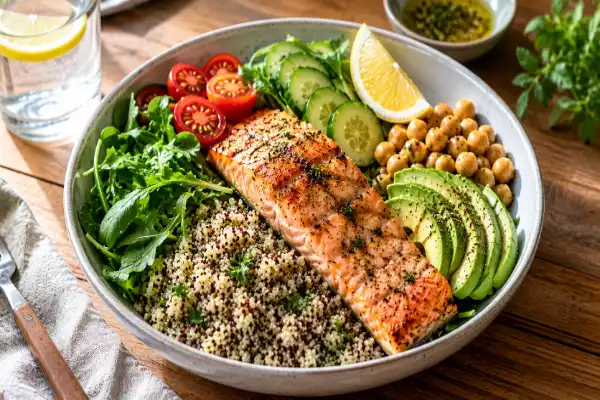
1. The Mediterranean Salmon & Wild Rice Power Bowl
Combine 4 ounces of grilled wild-caught salmon with 1/2 cup of cooked wild rice, shredded kale, cucumber slices, kalamata olives, and a tablespoon of extra virgin olive oil. Salmon delivers high-derived omega-3s to target systemic joint stiffness, while kale offers bioavailable calcium for bone density.
2. Golden Chickpea & Turmeric Gut-Healing Soup
Simmer chickpeas, diced carrots, celery, crushed garlic, and ground turmeric in bone broth or rich vegetable stock. Chickpeas supply complex carbohydrates and plant-based protein, while turmeric’s active compound, curcumin, helps soothe gastrointestinal inflammation.
- Chickpeas
- Garlic & Carrots
- Soothes gut lining
- Inhibits NF-kB pathways
- Enhances gut wall integrity
- Promotes bowel regularity
3. Sprouted Grain Turkey & Avocado Wrap
Layer high-quality sliced turkey breast, half a smashed avocado, baby spinach, and fermented sauerkraut inside a sprouted whole-grain tortilla. The sprouted grains ensure high nutrient absorption without sharp blood sugar spikes.
4. Warm Lentil, Beet, and Goat Cheese Salad
Mix warm French green lentils with roasted beets, arugula, toasted walnuts, and crumbled goat cheese. Beets naturally boost nitric oxide production to support circulation and vascular health, while lentils supply steady iron and soluble fiber.
5. High-Protein Edamame & Quinoa Sesame Bowl
Toss shelled edamame, cooked quinoa, shredded red cabbage, bell peppers, and toasted sesame seeds in a ginger-tamari dressing. Edamame offers rich sources of naturally occurring isoflavones (plant phytoestrogens) that weakly bind to estrogen receptors, helping ease mild temperature fluctuations.
Managing Midday Bloating and Gastrointestinal Distress
It is extremely common for women in midlife to eat a clean, balanced meal only to experience noticeable abdominal distension, gas, or heavy digestive discomfort an hour later.
Dr. Preet Pal’s Clinical Perspective
“In my clinical practice, midlife gut complaints are rarely just about ‘eating the wrong food.’ As circulating estrogen drops, the gut barrier becomes noticeably more permeable and intestinal transit times slow down. This structural shift allows normal gas-producing bacteria to migrate higher up the digestive tract, resulting in severe post-meal bloating and unpredictable gut distress. Resolving midlife bloat requires pairing nutrient-dense foods with active gut barrier support.”
When estrogen declines, the mucosal lining of the intestinal tract thins, similar to soil losing its protective topsoil layer. This biological shift makes your gut more sensitive to normal gas expansion, turning everyday digestion into a source of physical discomfort.
Understanding the connection between sugar and menopause weight gain is crucial here. Refined sugars feed opportunistic, gas-producing bacteria in the small intestine, accelerating fermentation and aggravating post-meal bloating.
Clinical Focus: Targeting Midlife Gut Dysbiosis
When standard dietary adjustments are not enough to relieve persistent bloating, poor nutrient absorption, or irregular digestion, targeted gut microbial support can be exceptionally helpful.
Featured Formulation: PrimeBiome
PrimeBiome is engineered to support midlife digestive health by targeting gut microbial imbalance and maintaining intestinal lining integrity.
- Targeted Spore-Forming Probiotics: Features resilient bacterial strains that survive harsh stomach acid to reach the lower intestine, helping restore balanced gut flora.
- Soothing Botanical Extracts: Includes concentrated herbal compounds that calm intestinal spasms and reduce post-meal gas accumulation.
- Gut Barrier Support: Designed to reinforce tight junction proteins in the intestinal wall, helping mitigate estrogen-related gut permeability and persistent midlife bloating.
By supporting healthy gut bacteria and encouraging smooth transit times, supplementing with PrimeBiome helps ensure your body comfortably digests and absorbs essential nutrients from every meal.
Healthy Lunches for Busy Women Who Hate Cooking

Not everyone wants to spend Sunday meal prepping twenty glass containers while listening to productivity podcasts.
Simple options still work.
Rotisserie chicken with bagged salad and hummus creates an easy menopause healthy lunch in minutes.
Greek yogurt with berries, chia seeds, nuts, and a boiled egg can also work for lighter appetites.
Cottage cheese with sliced vegetables and whole grain crackers offers protein without complicated cooking.
Even frozen vegetables can help create healthy meals quickly. Frozen produce often contains nutrients comparable to fresh produce because companies freeze it soon after harvest.
Convenience does not automatically mean unhealthy.
Foods That Can Make Menopause Symptoms Worse
Certain foods trigger symptoms more often for some women.
Highly processed foods, sugary drinks, and refined carbs may worsen energy crashes and cravings.
Spicy foods and alcohol sometimes trigger hot flashes. Caffeine may also affect sleep and anxiety in sensitive individuals.
That does not mean you must eliminate every enjoyable food forever. A balanced approach usually works better long term.
If pizza makes you happy, enjoy pizza sometimes. Just maybe do not make “triple extra cheese midnight pizza” your official menopause wellness plan.
Lunch Ideas for Weight Management During Menopause
Weight management during menopause often becomes frustrating because the old tricks stop working.
Crash diets usually backfire because they increase hunger and muscle loss.
A smarter menopause healthy lunch focuses on fullness and nutrition instead of extreme restriction.
Meals with at least 20 to 30 grams of protein often support appetite control better. Pair protein with vegetables and fiber rich carbs.
For example, grilled chicken with roasted vegetables and quinoa creates a balanced meal that feels satisfying without excessive calories.
According to the Centers for Disease Control and Prevention, sustainable eating habits and physical activity support healthier long term weight management than rapid dieting approaches.
Building a balanced menopause healthy lunch is also one of the smartest ways to improve long term habits, especially if you are struggling with consistency during menopause weight management. Learn more in our guide on “How to Stay Consistent with Menopause Weight Loss consistency in 2026”.
Easy Meal Prep Tips for Menopause Lunches
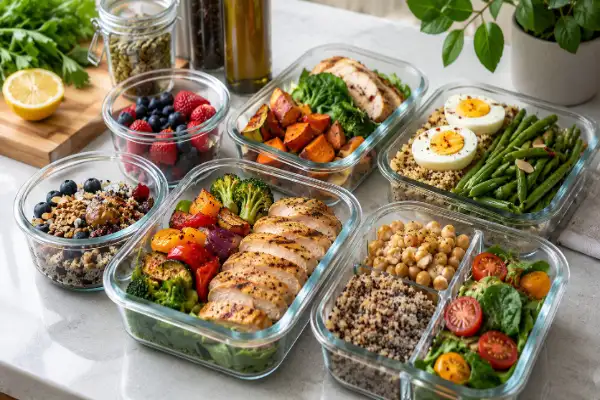
Meal prep does not need military level organization.
Cook protein in batches. Grill chicken, boil eggs, or bake tofu once for several lunches.
Wash vegetables ahead of time so healthy choices feel easier.
Keep canned beans, frozen vegetables, and microwaveable brown rice available for quick meals.
Store healthy snacks nearby because menopause hunger can appear suddenly and aggressively. One minute you feel fine. Ten minutes later you would fight someone over garlic bread.
Preparation reduces impulsive unhealthy choices.
Restaurant Lunches Can Still Be Healthy
Eating out during menopause does not automatically ruin your goals.
Look for grilled proteins, vegetables, whole grains, and healthy fats.
Salads with salmon or chicken work well if they contain enough protein. Burrito bowls can also become a strong menopause healthy lunch if you limit fried toppings and sugary sauces.
Ask for dressings on the side. Choose water or unsweetened drinks more often.
Small adjustments make a bigger difference than perfection.
Gut Health and Menopause Nutrition
Many women notice bloating and digestive changes during menopause.
Fiber and probiotic rich foods may help support gut health. Yogurt, kefir, kimchi, and fermented foods provide beneficial bacteria.
Vegetables, fruits, legumes, and oats support healthy digestion through fiber intake.
According to Johns Hopkins Medicine, gut health influences many aspects of overall wellness, including metabolism and immune function.
A menopause healthy lunch rich in fiber may help digestion feel more stable over time.
The Best Drinks to Pair With a Healthy Lunch
Sugary drinks can undo the benefits of a balanced meal quickly.
Water remains the best choice for hydration. Sparkling water with lemon also works well.
Unsweetened green tea may provide antioxidants. Milk or fortified plant milk can support calcium intake.
Try limiting sugary sodas and oversized coffee drinks that contain large amounts of sugar.
Many women notice improved afternoon energy when they reduce high sugar beverages.
Frequently Asked Questions
What is the best menopause healthy lunch for weight loss?
The best menopause healthy lunch for weight loss includes lean protein, fiber, healthy fats, and complex carbohydrates. Meals like grilled chicken salad, quinoa bowls, salmon with vegetables, or lentil soup help reduce cravings and keep you full longer during menopause.
How can a menopause healthy lunch reduce cravings?
A balanced menopause healthy lunch helps stabilize blood sugar levels, which may reduce afternoon sugar cravings and overeating. Protein rich foods, fiber, and healthy fats digest more slowly and support steady energy throughout the day.
What foods should I avoid at lunch during menopause?
During menopause, many women benefit from limiting highly processed foods, sugary drinks, refined carbs, and excess sodium at lunch. These foods may increase bloating, energy crashes, and cravings while making menopause symptoms feel worse.
Is protein important in a menopause healthy lunch?
Yes, protein is extremely important during menopause because it supports muscle mass, metabolism, and fullness. Adding foods like eggs, chicken, fish, Greek yogurt, beans, or tofu to your menopause healthy lunch may help with appetite control and healthy aging.
Can a menopause healthy lunch help with energy and brain fog?
Yes, a nutrient dense menopause healthy lunch may improve energy and mental focus. Meals with protein, fiber, healthy fats, and whole grains provide steady fuel for the brain and body, which may help reduce menopause related fatigue and brain fog.
Final Thoughts
Menopause changes your body, but it does not destroy your ability to feel healthy, energized, and confident. Smart nutrition can make a real difference.
The best menopause healthy lunch combines protein, fiber, healthy fats, and nutrient dense carbohydrates. These meals support fullness, energy, metabolism, and overall wellness.
You do not need perfection. You do not need trendy detoxes or celebrity diets. You need realistic meals that fit your life and support your health consistently.
Some days your lunch will look beautifully balanced. Other days it may involve eating cottage cheese while standing in the kitchen wondering why you walked into the room. Both are normal human experiences.
Focus on consistency, balance, and nourishment. Your body will thank you for it.
Verified Medical Sources
- Mayo Clinic: Menopause weight gain: Stop the middle-age spread.https://www.mayoclinic.org/healthy-lifestyle/womens-health/in-depth/menopause-weight-gain/art-20046058
- National Institute on Aging (NIA): Diet and Exercise: Choices for Good Health in Midlife and Beyond.https://www.nia.nih.gov/health/healthy-eating/diet-and-exercise-choices-good-health-later-life
- National Institute of Arthritis and Musculoskeletal and Skin Diseases (NIAMS): Bone Health and Osteoporosis: What You Need to Know.https://www.niams.nih.gov/health-topics/bone-health-and-osteoporosis
- Centers for Disease Control and Prevention (CDC): Dietary Sodium and Cardiovascular Health Guidelines.https://www.cdc.gov/salt/index.htm
- Arthritis Foundation: Anti-Inflammatory Diet Strategies for Joint and Metabolic Health.https://www.arthritis.org/health-wellness/healthy-living/nutrition/anti-inflammatory/anti-inflammatory-diet
Author Bio
Written by Emily Carter, Menopause Health Researcher & Women’s Wellness Writer.
She specializes in menopause-related weight gain, hormonal changes, and natural strategies for women over 40.
Health Disclaimer
This content is for informational purposes only and is not intended to diagnose, treat, or cure any disease. Always consult your healthcare provider before making changes to your diet or health routine. This article may include affiliate links, which come at no extra cost to you.