


Dr. Preet Pal SB, MD
Physician specializing in diabetes, metabolic health, and joint care management. Read More About Dr. Preet Pal’s Medical Credentials & Editorial Integrity Here
Table of Contents
Learning how to deal with menopause brain fog at work is one of the most urgent challenges facing professional women in midlife. Forgetting a key term mid-presentation, struggling to process routine spreadsheets, or losing your train of thought in a high-stakes meeting isn’t a sign of early dementia or career decline. It is a predictable biological response to fluctuating hormones.
Estrogen acts as a master fuel regulator for female brain cells. When levels surge and plunge during perimenopause, your brain’s cellular power plants briefly brown out. Managing these cognitive glitches requires actionable, evidence-based workplace interventions that protect both your performance and your peace of mind.
Optimize Immediate Mental Energy
Fast-acting workplace stabilization
Stabilize glucose levels with protein-rich snacks every 3 hours to prevent brain energy crashes. Keep a dedicated notebook or digital tool like Notion open for immediate external memory offloading.
Adjust Workplace Stress Controls
Lowering active cortisol loads
Cortisol exacerbates estrogen withdrawal in the brain. Implement 2-minute box breathing before meetings and block out 90-minute hyper-focused deep-work slots to eliminate multitasking fatigue.
Calibrate Sleep & Night Symptom Hygiene
Preventing secondary cognitive decline
Night sweats disrupt REM sleep, which is critical for memory consolidation. Keep your bedroom temperature between 60°F and 67°F and eliminate screens 60 minutes before bed.
Why Menopause Brain Fog Happens: The Science Behind the Slump
Think of estrogen in the female brain like high-octane fuel in a sports car engine. Estrogen helps brain cells burn glucose for fuel and stimulates the creation of new synaptic connections.
When your ovaries begin slowing down, that fuel line experiences sudden pressure drops. The engine doesn’t break, but it stutters. This cellular fuel crisis is why everyday tasks suddenly demand double the mental energy.
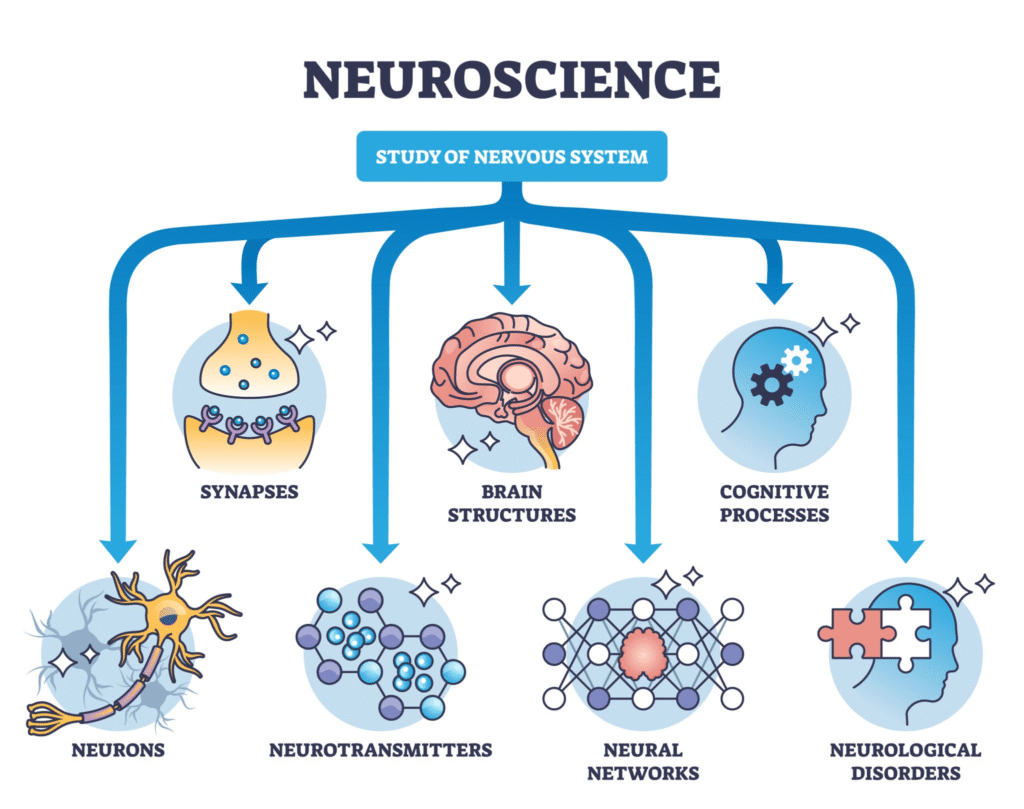
These hormonal shifts don’t happen in isolation. Shifts in estrogen directly influence serotonin, dopamine, and cortisol production. As a result, cognitive sluggishness often coincides with systemic changes, such as menopause hormone changes and signs that alter everything from sleep architecture to daily mood stability.
Dr. Preet Pal’s Clinical Perspective “Patients often enter my clinic terrified that their sudden word-finding difficulties or short-term memory lapses represent irreversible decline. I reassure them immediately: menopause brain fog is a temporary bioenergetic transition, not structural brain damage. When we optimize cortisol regulation and restore metabolic balance, cognitive clarity standardly returns.”
Differentiating Brain Fog from Normal Aging and Burnout
It is critical to evaluate whether your workplace cognitive struggles stem purely from midlife hormonal shifts, standard aging, or chronic stress burnout.
| Feature | Menopause Brain Fog | Normal Age-Related Decline | Workplace Burnout |
|---|---|---|---|
| Primary Driver | Rapid estrogen drop & fluctuating neuro-steroids | Gradual neuronal aging over decades | Chronic systemic stress & exhaustion |
| Onset Speed | Sudden, episodic, and tied to cycle changes | Very slow, linear decline | Gradual buildup over months of overwork |
| Key Symptoms | Word-finding delays, misplaced items, multitasking loss | Slower recall of distant names or past events | Cynicism, emotional detachment, apathy |
| Associated Factors | Hot flashes, night sweats, sleep disruption | No associated vasomotor symptoms | Overwhelming workload, lack of autonomy |
| Reversibility | Highly reversible with hormone & lifestyle resets | Permanent structural baseline | Reversible via rest, boundaries, & retreat |
Step-by-Step Guide: How to Deal with Menopause Brain Fog at Work
1. Externalize Your Working Memory
When your internal RAM is undergoing a hormonal reconfiguration, rely entirely on external hard drives:
- The Single Notebook Rule: Keep one physical journal or digital app open all day. Stop using random sticky notes.
- Micro-Task Batching: Break large projects down into 15-minute sub-tasks. It reduces the cognitive load needed to initiate work.
- Pre-Meeting Prep Briefs: Write down 3 core bullet points before entering any meeting to anchor your talking points if a hot flash or sudden lapse hits.
2. Manage the Cortisol-Estrogen Axis
Cortisol and estrogen compete for similar pathways in the brain. High workplace stress floods your system with cortisol, worsening cognitive lapses.
- Practice “Micro-Resting”: Take 60-second breathing breaks between meetings. Inhale for 4 seconds, hold for 4, exhale for 6.
- Movement Snacks: Walk for 3 minutes every hour. Physical movement boosts brain-derived neurotrophic factor (BDNF), triggering fresh neural growth.
3. Tame Concurrent Metabolic Symptoms
Hormonal shifts rarely affect cognition alone. Blood sugar swings and sluggish digestion pull vital resources away from brain function.
Many women notice that cognitive haze correlates directly with metabolic changes, including hormonal weight gain symptoms women face due to altered insulin sensitivity. Additionally, gut microflora disruptions during midlife can impair the gut-brain axis, triggering systemic inflammation and menopause digestion issues that amplify physical fatigue and brain fog.
Targeted Nutritional Support for Midlife Brain Health
While lifestyle adjustments provide the structural foundation for workplace success, targeted nutraceutical support can help stabilize the underlying neuro-chemical environment.

Product Focus: Menorescue
When cognitive fog is compounded by daytime hot flashes, anxiety, and fragmented sleep, addressing root-cause hormone signaling becomes essential. Menorescue is an advanced women’s health formula designed specifically to support balanced estrogen and cortisol dynamics during perimenopause and menopause.
- Cortisol Management Angle: High cortisol actively degrades executive function and word recall. Menorescue incorporates clinical botanicals (such as Sensoril® Ashwagandha and Rhodiola Rosea) that calm the adrenal stress axis, reducing brain fog spikes triggered by workplace stress.
- Phytoestrogen & Neuro-Support: By pairing hormone-balancing herbs like Black Cohosh and Red Clover with cognitive adaptogens, it targets early symptoms—including hot flashes, mood volatility, and afternoon fatigue—before they derail your workday.
- Dr. Pal’s Clinical Take: “Formulations that pair adaptogenic cortisol modulation with gentle phytoestrogens offer dual-action support. Regulating the stress response first gives the brain’s metabolic pathways the breathing room needed to regain clear, reliable focus.”
Frequently Asked Questions
Is menopause brain fog permanent, or will my memory recover?
Menopause brain fog is temporary. Research shows that cognitive function typically stabilizes and recovers post-menopause once your brain adapts to operating at lower, stable estrogen levels.
Can workplace stress make menopause brain fog worse?
Yes. High workplace stress triggers cortisol production, which directly competes with estrogen receptors in the brain and accelerates memory fatigue, making word-finding and focus significantly harder.
Should I tell my employer or HR that I’m dealing with menopause brain fog?
Disclosure is optional. If you need formal accommodations (like flexible hours or quiet workspaces), you can request them under general wellness policies or medical accommodation frameworks without detailing every symptom unless comfortable.
How can I quickly recover if I forget my train of thought during a meeting?
Pause, take a breath, and use a simple bridging phrase like, “Let me rephrase that point,” or check your pre-prepared meeting notes. Normalizing a brief pause projects confidence while giving your neural pathways a moment to reset.
What is the difference between menopause brain fog and early-onset dementia?
Menopause brain fog causes temporary delays in word recall, multitasking friction, and slight misplacement of items, but logic, judgment, and core skills remain fully intact. Dementia involves progressive structural decline that impairs daily reasoning and orientation.
Verified Medical Sources
- National Institute on Aging (NIA) – Menopause Symptoms and Relief
- Mayo Clinic – Menopause Overview & Cognitive Changes
- National Institutes of Health (NIH) – Hormones and the Female Brain
- Arthritis Foundation – Joint Pain and Hormonal Shifts in Women
Author Bio
Written by Emily Carter, Menopause Health Researcher & Women’s Wellness Writer.
She specializes in menopause-related weight gain, hormonal changes, and natural strategies for women over 40.
Health Disclaimer
This content is for informational purposes only and is not intended to diagnose, treat, or cure any disease. Always consult your healthcare provider before making changes to your diet or health routine. This article may include affiliate links, which come at no extra cost to you.