
Dr. Preet Pal SB, MD
Physician specializing in diabetes, metabolic health, and joint care management. Read More About Dr. Preet Pal’s Medical Credentials & Editorial Integrity Here
Table of Contents
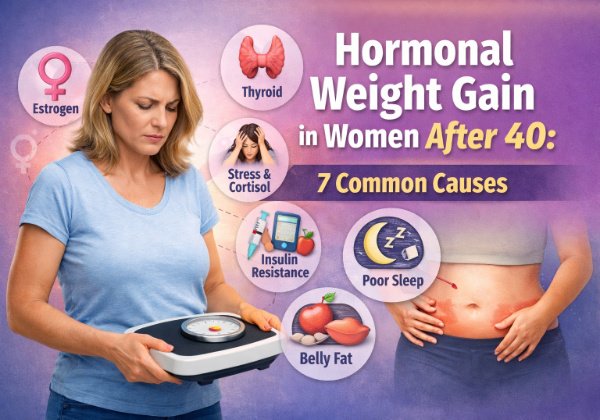
If you’ve hit your 40s and suddenly feel like your body changed the rules overnight, you aren’t imagining things. You might be following the exact same diet and exercise routine that kept you lean for decades, yet the scale continues to creep upward—primarily around your waistline. This frustrating shift is driven by hormonal weight gain in women after 40, a biologically complex transition where declining ovarian function, altered metabolic signaling, and stress hormones intersect.
Estrogen Drops and Redistributes Fat
Ovarian hormone decline alters storage site mechanisms.
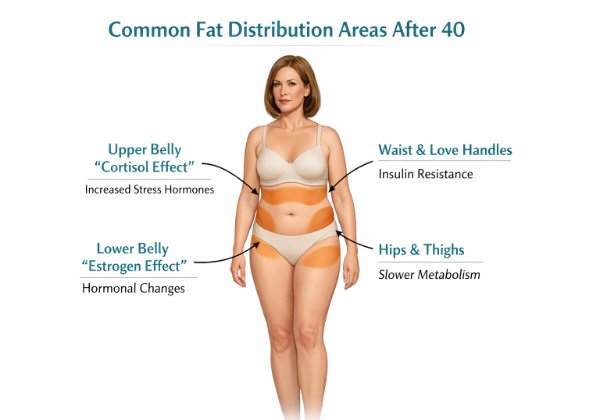
As perimenopause begins, declining estradiol reduces metabolic rate and shifts adipose storage receptors from peripheral sites (hips/thighs) straight to deep visceral abdominal tissue.
Insulin Resistance Increases
Cellular glucose clearance becomes sluggish.
Estrogen loss diminishes GLUT-4 glucose transporter sensitivity, causing higher baseline circulating insulin that locks fatty acids into adipose cells.
Cortisol Amplifies Visceral Storage
Chronic stress activates deep belly fat receptors.
Higher baseline stress paired with midlife sleep disruptions keeps cortisol elevated, which directly activates glucocorticoid receptors concentrated in visceral fat.
Thyroid & Metabolic Rate Slow Down
Resting energy expenditure naturally decelerates.
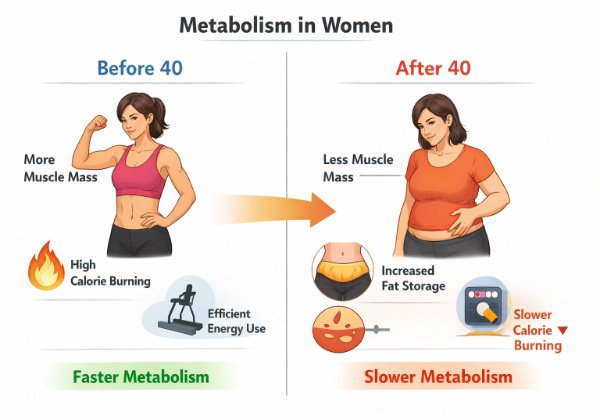
Age-related loss of lean muscle mass (sarcopenia) combined with subtle shifts in free T3 thyroid hormone lowers your baseline caloric burn at rest.
The Biological Engine Behind Hormones and Weight Gain After 40
To understand why weight management feels so difficult after age 40, think of your metabolic endocrine system like a high-performance sports car engine. For decades, estrogen acts as the master tuning chip, keeping the engine running efficiently, burning fuel clean, and distributing energy evenly.
When you enter perimenopause, that tuning chip begins to fail. The endocrine engine starts misfiring: fuel (glucose) isn’t processed smoothly, idling speed (resting metabolic rate) drops, and unused fuel gets dumped directly into the trunk (visceral abdominal fat).
Understanding the specific mechanics of these hormones and weight gain after 40 is the first step toward retuning your system.
7 Core Hormonal Shifts Driving Midlife Weight Gain
1. Declining Estradiol and Visceral Fat Shift
Estrogen (specifically 17β-estradiol) regulates lipid metabolism, vascular health, and cellular energy production. As ovarian follicle production declines, your body attempts to preserve estrogen by expanding adipose tissue—specifically visceral fat, which contains the enzyme aromatase capable of converting androgens into weak estrogens.
This cellular shift slows baseline caloric expenditure and alters body fat distribution. To understand the deeper systemic impacts of this transition, read our comprehensive analysis on menopause metabolism changes.
2. Progesterone Loss and Fluid Dynamics
Progesterone is a natural aldosterone antagonist (a natural diuretic) and a precursor to the calming neurotransmitter GABA. When ovulation becomes erratic in your 40s, progesterone drops sharply before estrogen does. This “estrogen dominance” ratio causes rapid water retention, systemic bloating, and sleep fragmentation, which elevates systemic inflammation.
3. Insulin Resistance and Blood Sugar Volatility
Estrogen enhances insulin sensitivity in skeletal muscle. As estrogen drops, muscle cells become resistant to insulin’s signal to absorb glucose. The pancreas compensates by pumping out higher levels of insulin to clear sugar from the bloodstream. Because insulin is a primary fat-storage hormone, persistently high levels inhibit lipolysis (fat burning). To stop this vicious cycle, address the dietary triggers by reviewing how sugar drives menopause weight gain.
4. Elevated Baseline Cortisol
Midlife brings distinct psychological, physical, and career stressors. When chronic stress meets declining ovarian hormones, the adrenal glands prioritize cortisol production over sex steroids (a phenomenon sometimes called the “pregnenolone steal”). Cortisol mobilizes visceral adipose tissue because deep abdominal fat has four times more cortisol receptors than subcutaneous fat.
5. Subclinical Thyroid Deceleration
The thyroid gland acts as the body’s primary thermostat. Up to 20% of women over 40 develop subclinical or overt hypothyroidism (often Hashimoto’s thyroiditis). Even a subtle drop in active triiodothyronine (T3) slows cellular energy expenditure, causes cold intolerance, and promotes weight retention.
6. Leptin and Ghrelin Dysregulation
Leptin tells your brain you are full; ghrelin signals hunger. Estrogen loss compromises leptin signaling in the hypothalamus, leading to “leptin resistance.” You may eat a complete meal yet feel unsatisfied because the brain never receives the satiety signal.
7. Age-Related Sarcopenia
Starting in your late 30s, women lose approximately 3% to 8% of muscle mass per decade if they do not perform resistance training. Because skeletal muscle is your most metabolically active tissue, this progressive loss reduces your daily caloric expenditure, making weight maintenance progressively harder on the same calorie budget.
Diagnostic Comparison: Hormonal vs. Lifestyle Weight Gain
Not all midlife weight gain is identical. Identifying whether your symptoms stem from primary endocrine shifts or lifestyle factors helps target the solution:
Dr. Preet Pal’s Clinical Perspective
“In my clinical practice, the single biggest mistake I see women over 40 make is attempting to starve their way out of hormonal weight gain. Extreme calorie restriction elevates systemic cortisol, further suppressing thyroid conversion (T4 to T3) and accelerating muscle loss. This turns a temporary hormonal shift into a chronic metabolic slowdown. We must focus on hormonal signaling—restoring gut barrier integrity, optimizing blood glucose, and maintaining lean tissue—rather than simple calorie math.”
Evidence-Based Strategies to Rebalance Midlife Hormones
To halt and reverse hormonal weight gain in women after 40, your strategy must pivot from traditional cardio-and-restriction methods toward hormonal optimization:
- Prioritize Heavy Resistance Training: Lift weights 3–4 times per week to stimulate GLUT-4 translocation independently of insulin, driving glucose directly into muscle cells rather than fat tissue.
- Target Protein Thresholds: Consume 1.2 to 1.6 grams of protein per kilogram of body weight daily. Protein stimulates peptide YY and GLP-1, promoting satiety while preserving lean muscle mass.
- Increase Fermentable Fiber: Dietary fiber feeds beneficial gut bacteria that metabolize circulating estrogens (the estrobolome). Discover optimal fiber sources in our guide to menopause fiber foods.
- Protect Circadian Rhythm: Prioritize 7–9 hours of sleep. Poor sleep drops leptin by 18% and surges ghrelin by 28%, triggering intense carbohydrate cravings the following day.
The Microbiome-Hormone Connection: Target Gut Health
Emerging research highlights the critical link between the gut microbiome, metabolic rate, and midlife hormone regulation. The estrobolome a specific collection of gut bacteria capable of metabolizing and modulating the body’s circulating estrogen plays a key role in how effectively your body navigates perimenopause.
When gut dysbiosis occurs, lipopolysaccharides (LPS) cross the intestinal barrier, triggering low-grade systemic inflammation that worsens insulin resistance and accelerates visceral fat accumulation.
PrimeBiome: Advanced Metabolic & Gut Microbiome Support
“Microbiome diversity directly impacts how the estrobolome clears estrogen metabolites and regulates systemic insulin sensitivity.” — Dr. Preet Pal, MD
Key Clinical Features:
- Features targeted probiotic strains to reinforce the gut barrier.
- Helps reduce gut-derived endotoxins that trigger metabolic inflammation.
- Supports optimal estrobolome function for healthy hormone clearance.
Supporting gut barrier integrity with targeted metabolic formulations like PrimeBiome provides direct nutritional support for gut-derived inflammation, helping stabilize your metabolic foundation alongside dietary improvements.
Frequently Asked Questions
Why does hormonal weight gain happen in women after 40?
Hormonal weight gain in women after 40 often occurs because estrogen levels begin to decline during perimenopause. Lower estrogen can affect metabolism, fat storage, and insulin sensitivity. As a result, the body may store more fat around the abdomen and burn fewer calories at rest. These hormonal shifts make weight gain easier even if diet and activity levels stay the same.
What hormones cause weight gain after 40 in women?
Several hormones contribute to hormonal weight gain in women after 40. The most common include estrogen, progesterone, cortisol, insulin, thyroid hormones, leptin, and ghrelin. Changes in these hormones can affect appetite, metabolism, stress response, and how the body stores fat, especially around the waist.
Is belly fat after 40 always caused by hormones?
Hormones often play a major role, but they are not the only factor. Hormonal weight gain in women after 40 can combine with lifestyle changes such as lower physical activity, muscle loss, poor sleep, and higher stress levels. These factors together can lead to increased belly fat during midlife.
Can hormonal weight gain in women after 40 be reversed?
Hormonal weight gain in women after 40 can often be managed with healthy lifestyle changes. Strength training, balanced nutrition, quality sleep, and stress management can help support hormone balance and maintain muscle mass. These habits may improve metabolism and help reduce fat accumulation over time.
How can women manage hormonal weight gain after 40 naturally?
Women can manage hormonal weight gain after 40 by focusing on consistent lifestyle habits. Regular strength training helps maintain muscle, while whole foods support stable blood sugar and hormone balance. Getting enough sleep and reducing chronic stress can also improve hormones that control hunger, metabolism, and fat storage.
The Bottom Line
Hormonal weight gain in women after 40 often results from several overlapping changes inside the body.
Declining estrogen, fluctuating progesterone, slower metabolism, increased cortisol, insulin resistance, thyroid shifts, and appetite hormone changes all play a role.
These hormonal changes can make weight management feel harder than it used to be.
But understanding the reasons behind the change makes a big difference.
With strength training, balanced nutrition, quality sleep, and stress management, many women can reduce the impact of these hormonal shifts and maintain a healthy weight after 40.
And remember — if weight gain happens suddenly or comes with other symptoms, speaking with a healthcare professional helps rule out medical conditions like thyroid disorders.
Midlife changes the rules slightly, but it does not mean losing control of your health.
Verified Medical Sources
- North American Menopause Society (NAMS) – Body Composition Changes in Midlife Women
- National Institute on Aging (NIA) – Menopause and Health Shifts After 40
- NIH / NIAMS – Sarcopenia, Muscle Loss, and Metabolic Rate
- Mayo Clinic – Hormones, Metabolism, and Weight Gain in Women
- Endocrine Society – Clinical Guidelines on Female Hormone Transitions
Author Bio
Written by Emily Carter, Menopause Health Researcher & Women’s Wellness Writer.
She specializes in menopause-related weight gain, hormonal changes, and natural strategies for women over 40.
Health Disclaimer
This content is for informational purposes only and is not intended to diagnose, treat, or cure any disease. Always consult your healthcare provider before making changes to your diet or health routine. This article may include affiliate links, which come at no extra cost to you.