
Dr. Preet Pal SB, MD
Physician Specialist in Internal Medicine, Metabolic Disorders, and Hormone-Driven Wellness. Read More About Dr. Preet Pal’s Medical Credentials & Editorial Integrity Here
Menopause changes the female body’s biochemical operating system. One day your favorite jeans fit comfortably; the next, your lower abdomen feels distended after a standard meal, and your energy plummets by mid-afternoon. As estrogen levels drop during perimenopause and menopause, your metabolic rate slows down, insulin resistance ticks upward, and fat storage shifts from the hips and thighs directly to the deep visceral tissue around your abdomen.
While searching for effective menopause weight loss drinks, it is crucial to recognize that no liquid can single-handedly melt fat away overnight. However, strategic functional beverages act like metabolic lubricants. By targeting gut microbiota, stabilizing blood sugar, and supporting liver detoxification paths, the right drinks create the precise internal environment needed to burn fat rather than store it.
The 30-Second Summary: What Works vs. What Fails
Choose drinks containing epigallocatechin gallate (EGCG), soluble fiber, or probiotic cultures. These compounds combat midsection fat by improving insulin sensitivity and restoring beneficial gut flora balance.
Consume high-protein smoothies or warm apple cider vinegar solutions 15 to 30 minutes before meals to blunt postprandial glucose spikes and promote satiety.
Remove liquid sugars, artificial sweeteners, and alcohol. These cause estrogenic shifts, trigger night flashes, and promote visceral fat accumulation.
Why Menopause Makes Weight Loss Harder: The Hormonal Shift Explained
When ovarian estrogen production declines, the body looks for alternative ways to produce and store hormone precursors. Visceral fat cells in the abdomen contain high concentrations of the enzyme aromatase, which converts androgens into estrone (a weaker form of estrogen). Consequently, your body actively tries to build visceral fat as an endocrine survival mechanism.
Think of your pre-menopausal metabolism like a brand-new car engine running on high-octane fuel. As estrogen drops, it resembles a car driving with a worn tire tread: the vehicle still moves, but friction increases, efficiency drops, and alignment suffers.
Hormonal Cascade of Menopausal Fat Accumulation
When you combine lower estrogen with age-related muscle loss (sarcopenia) and elevated cortisol from sleep disruptions, traditional caloric restriction often backfires. Instead, strategically implementing a natural drink that helps with weight loss during menopause can stabilize your physiology from the inside out.
9 Evidence-Based Menopause Weight Loss Drinks
To optimize your metabolic health, use this core list of functional beverages tailored for hormonal transition.
CORE MENOPAUSE BEVERAGE STRATEGY
| BEVERAGE CATEGORY | PRIMARY PHYSIOLOGICAL BENEFIT |
|---|---|
| 1 Hydration & Electrolyte Mixes | Flushes excess sodium, mitigates night sweats |
| 2 EGCG-Rich Green Tea | Enhances fat oxidation, improves insulin response |
| 3 High-Protein Muscle Shakes | Preserves lean muscle mass, delays gastric emptying |
| 4 Fermented Kefir / Probiotics | Reduces intestinal inflammation & bloat |
| 5 Diluted Apple Cider Vinegar | Attenuates post-meal glucose surges |
| 6 Polyphenol-Rich Herbal Infusions | Lowers nocturnal cortisol, supports sleep quality |
| 7 Organic Black Coffee | Temporarily stimulates thermogenesis |
| 8 Cold-Pressed Green Juices | Supplies bioavailable micronutrients & potassium |
| 9 Unsweetened Organic Soy Milk | Provides phytoestrogens to balance hormone dips |
1. Filtered Water with Electrolytes
Plain water remains fundamental, yet during menopause, declining estrogen affects cellular hydration and vasopressin levels. Adding a pinch of mineral-rich sea salt or a squeeze of fresh lemon creates an isotonic solution that improves cellular absorption, flushing out excess sodium that causes fluid retention.

2. High-EGCG Green Tea & Matcha
Green tea contains epigallocatechin gallate (EGCG), a powerful catechin that inhibits the enzyme breaking down norepinephrine. This process enhances signal paths for fat breakdown. Matcha—ground whole tea leaves—delivers up to 137 times more EGCG than standard steeped green tea.
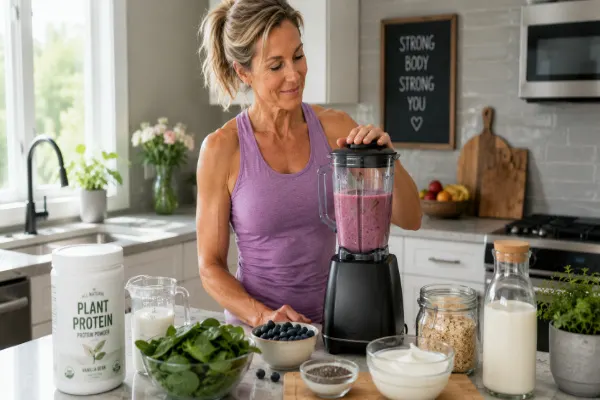
3. Satiating Protein Smoothies
Muscle tissue burns roughly three times as many calories at rest as adipose tissue. To prevent sarcopenia, incorporate 25–30 grams of clean whey or plant protein into a daily smoothie. Pairing this with optimal menopause meal timing strategies helps prevent energy slumps and keeps blood sugar steady.
4. Bio-Fermented Kefir and Probiotic Drinks
A key driver of menopausal weight gain is altered gut microbiota (the astrobolome). Kefir supplies diverse strains of live bacteria that help ferment dietary fiber into short-chain fatty acids (SCFAs), directly reducing intestinal wall permeability and abdominal inflammation.
5. Diluted Apple Cider Vinegar (ACV)
Acetic acid in organic ACV slows the rate at which food leaves the stomach, reducing blood sugar spikes after meals. Mix one tablespoon of raw ACV into 8 ounces of warm water before main meals to improve gastric acid secretion and digestive breakdown.
6. Calming Herbal Teas (Ginger, Chamomile, Hibiscus)
High cortisol signals the body to store fuel as deep belly fat. Drinking warm chamomile or hibiscus tea in the evening activates the parasympathetic nervous system, lowering stress hormones and improving deep sleep cycles needed for cellular repair.
7. Polyphenol-Rich Organic Black Coffee
Caffeine stimulates thermogenesis and Mobilizes free fatty acids from adipose tissue. However, to prevent adrenal fatigue, keep intake under 200 mg daily and avoid drinking it on an empty stomach.
8. Potassium-Dense Green Vegetable Juices
Juicing green leafy vegetables like celery, cucumber, and spinach delivers concentrated amounts of potassium and magnesium. These minerals regulate smooth muscle contraction in the gut and offset sodium-induced bloat.
9. Organic Unsweetened Soy Milk
Soy beans contain isoflavones, plant compounds that weakly bind to estrogen receptors (specifically ER-beta). Consuming unsweetened soy milk can help smooth out severe hormonal fluctuations while providing bioavailable calcium.
Clinical Comparison: Best Drinks for Menopausal Symptoms
| Beverage Type | Primary Active Compound | Targeted Symptom | Best Time to Consume |
| Matcha / Green Tea | EGCG & L-Theanine | Slow metabolism & visceral fat | Mid-morning (10 AM) |
| Plant-Protein Shake | Amino Acids & Soluble Fiber | Muscle loss & intense cravings | Post-workout or Breakfast |
| Plain Kefir / Kombucha | Live Cultures & SCFAs | Bloating & gut dysbiosis | Early morning on empty stomach |
| Diluted ACV Water | Acetic Acid | Post-meal glucose spikes | 15 minutes before lunch |
| Tart Cherry / Chamomile | Melatonin & Apigenin | Insomnia & elevated cortisol | 60 minutes before bed |
Expert Medical Insight
Dr. Preet Pal’s Clinical Perspective
“In my clinical practice, women in perimenopause frequently report sudden belly fat gain despite maintaining their usual diet and exercise routines. What they are experiencing isn’t a failure of willpower; it’s an alteration in insulin sensitivity and gut microbial diversity driven by estrogen withdrawal.
When intestinal permeability increases, low-grade systemic inflammation triggers fat storage around the internal organs. I advise my patients to view functional beverages not as ‘fat burners,’ but as delivery mechanisms for active compounds like EGCG, short-chain fatty acids, and bioavailable protein that restore systemic balance.”
Beverages That Sabotage Menopause Weight Loss
While functional drinks support metabolic health, certain popular beverages can stall progress by triggering hormone surges:
- Commercial Fruit Juices: Stripped of beneficial dietary fiber, fruit juice causes rapid blood sugar spikes, driving excess sugar straight into liver fat synthesis. Adding rich menopause fiber foods to your broader diet helps slow down nutrient absorption and maintain stable energy levels.
- Artificially Sweetened Diet Beverages: Non-nutritive sweeteners like sucralose can alter the balance of gut bacteria, increasing cravings for sweet foods.
- Alcohol: Alcohol impairs liver detoxification of excess circulating estrogens, increases midnight cortisol spikes, and disrupts REM sleep.
- Flavored Coffee Drinks: High-calorie coffee beverages loaded with syrups and dairy fats convert a healthy drink into a high-calorie dessert.
The Root Cause: Addressing Gut Microbiota & Bloating
If you experience persistent abdominal distension that makes your stomach feel hard or tight by the evening, the primary issue may be an imbalance in your gut microbiome (dysbiosis) rather than simple fat accumulation.
As estrogen declines, the protective mucosal lining of the intestinal tract thins. This allows opportunistic bacteria to proliferate, breaking down food through fermentation processes that produce excess gas, system-wide inflammation, and fluid retention.
The Gut-Inflammation Mechanism of Menopausal Weight Gain
Target Gut Imbalance with Targeted Bio-Nutrients
To rebuild intestinal wall integrity and resolve persistent bloat, dietary changes can be paired with high-potency, targeted microbiome formulas.
CLINICAL ADVANTAGE: PRIMEBIOME FORMULATION
| INGREDIENT HIGHLIGHT | CLINICAL MECHANISM |
|---|---|
| Targeted Probiotic Strains | Re-populates the estrobolome with flora |
| Botanical Digestive Extracts | Reduces smooth muscle spasms along gut walls |
| Anti-Inflammatory Polyphenols | Protects mucosal lining from degradation |
PrimeBiome is engineered to address this specific midlife gut imbalance. Unlike generic probiotics, its targeted delivery system supplies beneficial bacterial strains alongside botanical extracts that calm digestive inflammation and reduce fluid retention.
Clinical Note from Dr. Preet Pal: “When patients combine clean protein shakes and herbal infusions with targeted microbiome support like PrimeBiome, we routinely observe significant reductions in waist circumference within weeks—largely driven by resolved gut inflammation and decreased gas retention.”
Daily Schedule: Optimizing Your Beverage Routine
DAILY BEVERAGE SCHEDULE
To establish a sustainable routine alongside functional drinks, consider committing to a structured program like the 30-day menopause weight loss challenge to build consistent daily habits.
Frequently Asked Questions
What are the best menopause weight loss drinks for belly fat?
The best menopause weight loss drinks for belly fat include green tea, protein smoothies, herbal tea, black coffee, and water infused with lemon or cucumber. These drinks may help control cravings, support metabolism, improve hydration, and reduce bloating during menopause.
Can menopause weight loss drinks really help you lose weight?
Menopause weight loss drinks can support healthy weight loss when combined with balanced eating, strength training, good sleep, and regular movement. Drinks like green tea and protein shakes may help improve fullness, energy, and calorie control, but they do not replace healthy habits.
Which drink should I avoid during menopause weight gain?
Women experiencing menopause weight gain should limit sugary soda, sweet coffee drinks, alcohol, and energy drinks. These beverages can increase calorie intake, worsen cravings, disrupt sleep, and make hormonal weight changes harder to manage.
What is the best morning drink for menopause weight loss?
A good morning menopause weight loss drink is warm water with lemon, green tea, or a high-protein smoothie. These drinks may help improve hydration, support digestion, and keep hunger under control throughout the day.
Are protein smoothies good menopause weight loss drinks?
Yes, protein smoothies are one of the most effective menopause weight loss drinks because they help maintain muscle mass, reduce hunger, and support metabolism. Using ingredients like Greek yogurt, berries, chia seeds, and unsweetened milk creates a balanced option for healthy weight management.
Verified Medical Sources
- National Institutes of Health (NIH) / NIAMS: Menopause and Aging: Women’s Health & Hormonal Transitions
- Mayo Clinic Health System: Weight Gain During Menopause: Causes, Risks, and Prevention
- Centers for Disease Control and Prevention (CDC): Physical Activity and Nutrition for Midlife Adult Health
- The Arthritis Foundation: Managing Systemic Inflammation and Joint Health in Midlife
Author Bio
Written by Emily Carter, Menopause Health Researcher & Women’s Wellness Writer.
She specializes in menopause-related weight gain, hormonal changes, and natural strategies for women over 40.
Health Disclaimer
This content is for informational purposes only and is not intended to diagnose, treat, or cure any disease. Always consult your healthcare provider before making changes to your diet or health routine. This article may include affiliate links, which come at no extra cost to you.