

Dr. Preet Pal SB, MD
Physician specializing in diabetes, metabolic health, and joint care management. Read More About Dr. Preet Pal’s Medical Credentials & Editorial Integrity Here
Table of Contents
As estrogen levels begin their natural decline during perimenopause and menopause, your body’s metabolic baseline undergoes a fundamental shift. Morning routines that used to keep you energized—such as a quick cup of coffee on an empty stomach or a piece of refined toast—often lead to mid-morning blood sugar crashes, brain fog, and stubborn visceral fat storage. Finding the right healthy breakfast women over 40 need is no longer just about cutting calories; it is about strategic cellular nourishment.
During your 40s and beyond, your body requires deliberate ratios of macro- and micronutrients to maintain lean muscle mass, balance fluctuating cortisol levels, and support digestive motility.
The 40+ Metabolic Breakfast Formula
Prioritize 25–35 Grams of Bioavailable Protein
Aim for high-leucine protein sources like plain Greek yogurt, cottage cheese, pastured eggs, or clean plant proteins within 90 minutes of waking. This stabilizes morning cortisol and protects against age-related muscle loss (sarcopenia).
Integrate 8–10 Grams of Viscous Fiber
Combine insoluble and soluble fibers—such as chia seeds, ground flaxseed, berries, or sprouted grains—to slow down carbohydrate breakdown and promote regular elimination.
Add Hormone-Supporting Essential Fats
Include healthy fats like extra virgin olive oil, avocado, walnuts, or pumpkin seeds. Essential fatty acids support cellular membrane health and the synthesis of steroid hormones.
Why Metabolic Needs Shift After 40
Think of your youthful metabolism like a high-performance sports car with pristine engine tuning. In your 20s and 30s, high circulating estrogen keeps insulin sensitivity sharp, allowing your cells to rapidly clear glucose from the bloodstream.
As you cross 40, declining estrogen causes that engine’s timing to shift. Insulin resistance naturally increases, meaning carbohydrate-heavy breakfasts cause much higher blood sugar spikes.
At the same time, resting metabolic rate declines due to subtle year-over-year losses in skeletal muscle. If your morning meal lacks sufficient amino acids, your body breaks down its own muscle tissue to meet basal metabolic needs, compounding weight gain around the abdomen.

By choosing the best breakfast options for woman over 40, you counteract these biochemical changes at the start of every day.
The Essential Blueprint: Macronutrients for Midlife Health
To optimize energy and body composition, every morning meal should meet three distinct nutritional criteria:
1. High-Quality Protein (25–35g)
Dietary protein supplies the amino acids necessary to protect muscle tissue and stimulate satiety hormones like GLP-1 and PYY. Reaching 30 grams in the morning is the specific clinical threshold required to trigger muscle protein synthesis in midlife women.
2. Prebiotic & Viscous Fiber (8–10g+)
Fiber acts as an internal sponge. It slows down the absorption of sugar into the bloodstream while sweeping through the digestive tract. Incorporating menopause fiber foods helps nourish key species in the gut microbiome, which directly influences estrogen metabolism (the estrobolome).
3. Functional Healthy Fats
Fats keep you full for 4 to 6 hours by delaying gastric emptying. Monounsaturated fats and Omega-3 fatty acids lower systemic inflammation and provide the raw building blocks for hormone production.
Nutrient Comparison for 40+ Women
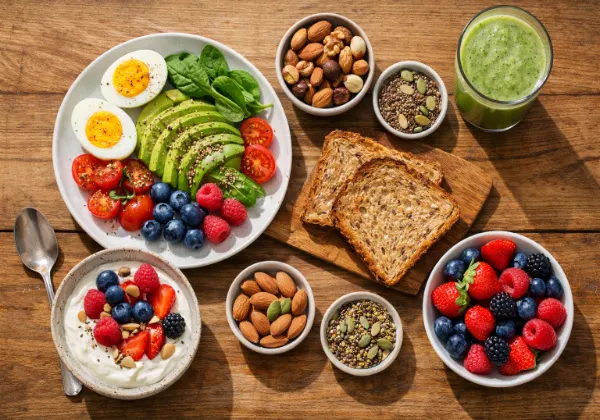
The table below breaks down common morning food choices and how they perform against midlife metabolic requirements:
| Breakfast Choice | Protein Content | Fiber Content | Blood Sugar Impact | Metabolic & Hormonal Benefit |
|---|---|---|---|---|
| Pastured Eggs + Avocado + Sprouted Toast | 22–28g | 7–9g | Very Low | High choline for cognitive health; steady fatty-acid delivery. |
| Greek Yogurt Parfait + Chia & Berries | 25–32g | 8–11g | Low | Rich in calcium and probiotics; supports gut barrier integrity. |
| Traditional Oatmeal with Banana & Honey | 6–8g | 4–5g | Mod to High | Often lacks sufficient protein, triggering a mid-morning insulin surge. |
| Bagel with Cream Cheese & Orange Juice | 8–10g | 1–2g | Extreme Spike | Promotes rapid fat storage and subsequent energy crashes. |
Common Breakfast Mistakes Women Over 40 Should Avoid

Even healthy intentions can go wrong. Here are a few mistakes to watch out for.
Many women rely on sugary breakfast options like pastries or flavored cereals. These foods spike blood sugar and lead to energy crashes.
Some skip protein completely. That increases hunger and reduces muscle support.
Others skip breakfast entirely, thinking it helps with weight loss. In reality, it often leads to overeating later.
A healthy breakfast women over 40 should feel balanced, not restrictive.
Avoiding processed foods is essential, especially if you’re following an Anti Inflammatory Diet Menopause: Burn Belly Fat & Lose Weight Naturally Proven After 40 to support long-term fat loss and hormone health.
Dr. Preet Pal’s Clinical Perspective
“In my clinical practice, the single most impactful diet modification for women in perimenopause is moving away from high-carbohydrate morning meals. When patients swap light, sugary breakfasts for 30 grams of protein paired with prebiotic fiber, we observe noticeable improvements in afternoon brain fog, stress resilience, and abdominal bloating within less than three weeks.”
Top 4 Best Breakfast Options for Women Over 40
These recipes deliver targeted nutrients while remaining easy to prepare on busy mornings:
Option 1: The Hormone-Balancing Savory Plate
- 2 whole pastured eggs + 2 egg whites (scrambled or poached)
- 1/2 medium avocado, sliced
- 1 cup sautéed dark leafy greens (spinach or kale) in extra virgin olive oil
- 1 slice sprouted whole-grain sourdough
Why it works: Eggs provide choline and high-leucine protein, while dark greens deliver magnesium to help ease morning muscle tension.
Option 2: High-Protein Chia & Berry Parfait
- 3/4 cup plain, unsweetened Greek yogurt or cottage cheese
- 2 tablespoons chia seeds (soaked overnight in 1/4 cup unsweetened almond milk)
- 1/2 cup fresh or frozen raspberries or wild blueberries
- 2 tablespoons chopped walnuts or pumpkin seeds
Why it works: High in calcium and polyphenols. Pairing berries with protein creates a slow-release fuel pattern that prevents sugar spikes. Learn more about crafting a tailored menopause low sugar diet to complement this routine.
Option 3: Metabolic Green Protein Smoothie
- 1 scoop clean whey isolate or plant-based protein powder (20–25g protein)
- 1 tablespoon ground flaxseed
- 1 cup unsweetened coconut or almond milk
- 1/2 frozen green banana (rich in resistant starch)
- 1 generous handful of baby spinach or zucchini
- 1 tablespoon almond butter
Why it works: Resistant starch and flaxseed lignans support gut health and natural estrogen metabolism while providing a convenient, mobile breakfast option.
Option 4: Savory Cottage Cheese & Smoked Salmon Toast
- 1 slice toasted sprouted grain bread
- 1/2 cup low-fat cottage cheese
- 2 oz smoked wild salmon
- Sliced cucumber, capers, and fresh dill
Why it works: Wild salmon delivers anti-inflammatory EPA and DHA omega-3 fatty acids, which protect cardiovascular health and support joint mobility.
Overcoming Morning Bloating & Digestive Slowdown
Even when eating nutrient-dense foods, many women in their 40s experience uncomfortable morning abdominal distension and fluid retention. As hormonal fluctuations alter gut motility and weaken the intestinal mucosal lining, digestion can slow down significantly. Incorporating specific menopause bloating foods—such as cooked greens, fermented items, and ginger—helps ease this burden.
However, dietary changes alone do not always fully resolve midlife gut imbalances (dysbiosis). When beneficial gut bacteria decline, sluggish digestion and gas production often persist regardless of how clean your meal is.
Targeted probiotic therapy can help restore this balance. Formulations like PrimeBiome are engineered to address the root cause of midlife digestive discomfort. By delivering targeted probiotic strains that thrive in the midlife GI environment, it helps re-establish healthy gut flora, improve nutrient absorption, and break down complex fibers to reduce persistent bloating.
Frequently Asked Questions
What is the best healthy breakfast women over 40?
The best healthy breakfast women over 40 includes a balance of protein, fiber, and healthy fats. Options like Greek yogurt with berries, eggs with whole grain toast, or oatmeal with nuts help support metabolism, hormone balance, and long-lasting energy.
Why is a healthy breakfast important for women over 40?
A healthy breakfast women over 40 helps stabilize blood sugar, reduce cravings, and support muscle health. As metabolism slows with age, starting the day with balanced nutrition improves energy levels and supports weight management.
What foods should women over 40 avoid at breakfast?
Women over 40 should limit sugary cereals, pastries, and processed foods. These options spike blood sugar and lead to energy crashes. A healthy breakfast women over 40 should focus on whole, nutrient-dense foods instead.
Can a healthy breakfast help with weight loss after 40?
Yes, a healthy breakfast women over 40 can support weight loss by reducing hunger and preventing overeating later in the day. Meals rich in protein and fiber help you stay full longer and maintain a steady metabolism.
How much protein should a healthy breakfast women over 40 include?
A healthy breakfast women over 40 should include around 20–30 grams of protein. This supports muscle maintenance, improves satiety, and helps manage energy levels throughout the day.
Final Thoughts
A healthy breakfast women over 40 is one of the easiest ways to support your health without drastic changes. You do not need complicated diets or expensive superfoods.
Simple, balanced meals can improve your energy, support your metabolism, and help you feel better throughout the day.
Start small. Pick one or two ideas from this list and try them this week. Your body will notice the difference.
And honestly, your future self will thank you.
Verified Medical Sources
- National Institutes of Health (NIH) / NIAMS: Menopause, Bone Density, and Muscle Loss Overview
- Mayo Clinic Health System: Nutrition for Women Over 40: Managing Hormonal & Metabolic Shifts
- Centers for Disease Control and Prevention (CDC): Dietary Guidelines for Aging Adult Health & Fiber Intake
- The North American Menopause Society (NAMS): Estrogen Loss, Body Composition, and Metabolic Changes
Author Bio
Written by Emily Carter, Menopause Health Researcher & Women’s Wellness Writer.
She specializes in menopause-related weight gain, hormonal changes, and natural strategies for women over 40.
Health Disclaimer
This content is for informational purposes only and is not intended to diagnose, treat, or cure any disease. Always consult your healthcare provider before making changes to your diet or health routine. This article may include affiliate links, which come at no extra cost to you.