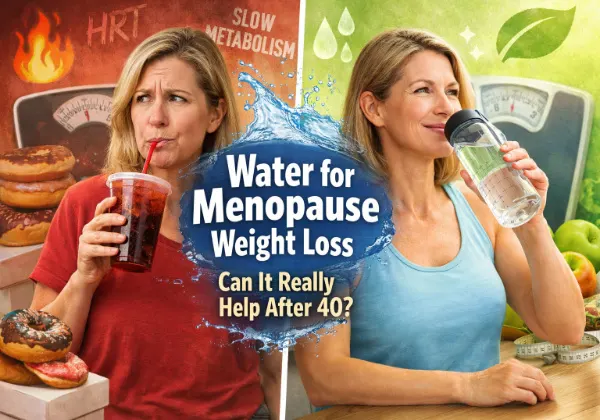
A lot of women hit their 40s and suddenly feel like their body changed the rules overnight. The same diet stops working. The same workouts feel less effective. And that stubborn belly fat starts behaving like an unwanted long-term guest.
So the big question is simple but powerful: can drinking more water actually help with weight loss after 40?
The short answer is yes. But not in the magical, overnight way the internet sometimes promises. Water is not a fat-burning potion. It is a tool. And when you use it correctly, it can support water for menopause weight loss in a very real and science-backed way.
Let’s break this down clearly, logically, and without the fluff.
Table of Contents
Why Weight Loss Gets Harder After 40
Before we talk about water, we need to understand what is happening inside your body.
After 40, especially during perimenopause and menopause, your hormones begin to shift. Estrogen levels drop. Cortisol levels may rise due to stress. Muscle mass naturally declines if you do not actively maintain it.
These changes affect:
- Metabolism speed
- Fat storage patterns
- Appetite signals
- Insulin sensitivity
This is why many women notice more fat around the abdomen. It is not your imagination. It is biology doing its thing.
Now here is where water for menopause weight loss starts to matter more than you think.

How Water Supports Weight Loss After 40
Water works quietly in the background. It does not shout. But it influences multiple systems that directly affect weight.
1. Water Helps Control Appetite
Sometimes your body sends mixed signals. You think you are hungry, but you are actually thirsty.
Research from the National Academies of Sciences shows that mild dehydration can confuse hunger cues. When you drink enough water, you reduce unnecessary snacking.
That means fewer calories without feeling restricted. And that is a win.
2. Water Can Slightly Boost Metabolisma
Drinking water may temporarily increase your metabolic rate.
A study published in The Journal of Clinical Endocrinology & Metabolism found that drinking about 500 ml of water increased metabolic rate by up to 30 percent for a short period.
Now let’s stay realistic. This is not a massive effect. But over time, small boosts add up. And when combined with healthy habits, it supports water for menopause weight loss effectively.
3. Water Supports Fat Breakdown
Your body needs water to metabolize fat. This process is called lipolysis.
Without enough water, your body struggles to break down stored fat efficiently. Think of it like trying to run a machine without enough fuel. It will not stop completely, but it will slow down.
Hydration keeps that system running smoothly.
4. Water Reduces Bloating and Water Retention
This sounds ironic, but drinking more water can actually reduce water retention.
When you do not drink enough, your body holds onto water as a survival response. This leads to bloating, especially around the belly.
When you stay hydrated, your body feels safe to release excess fluid. That means a flatter stomach and less discomfort.
5. Water Improves Digestion
After 40, digestion often slows down. Constipation becomes more common.
Water helps:
- Soften stool
- Support gut movement
- Improve nutrient absorption
Better digestion supports weight loss because your body processes food more efficiently.
The Link Between Menopause and Hydration
Hormonal changes during menopause can increase the risk of dehydration.
Lower estrogen levels affect how your body regulates fluids. You may not feel thirsty as often, even when your body needs water.
At the same time, symptoms like hot flashes and night sweats can increase fluid loss.
This creates a hidden problem. Many women stay slightly dehydrated without realizing it.
That is why focusing on water for menopause weight loss becomes even more important.
Hormonal shifts do not just affect hydration, they also increase stress hormones, as explained in Cortisol Weight Gain Menopause: Why Stress Causes Stubborn Belly Fat After 40, making it even harder to lose belly fat during menopause.
Does Drinking Water Directly Burn Fat?
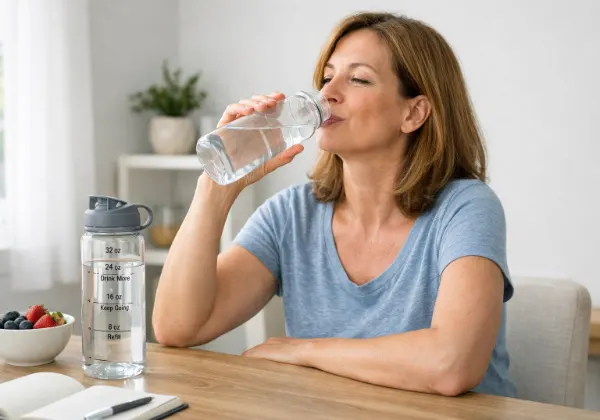
Let’s clear a common myth.
Water does not directly burn fat.
It does not melt belly fat while you sit on the couch binge watching your favorite show. If only it worked like that.
But water supports the systems that help your body burn fat more effectively. It improves metabolism, reduces overeating, and supports exercise performance.
So while it is not magic, it is essential.
How Much Water Should You Drink After 40?
There is no one-size-fits-all number, but we can use practical guidelines.
Most health authorities suggest:
- Around 2.7 liters per day for women from all sources
- About 8 to 10 glasses as a simple target
However, your needs depend on:
- Body weight
- Activity level
- Climate
- Health conditions
If you live in a warm place or exercise regularly, you may need more.
A simple rule that works well for many women:
Drink enough so that your urine is light yellow. Not clear like water, not dark like tea.
Best Times to Drink Water for Weight Loss
Timing matters more than most people think.
Morning Hydration
Start your day with a glass of water. After 7 to 8 hours of sleep, your body is slightly dehydrated.
This helps kickstart metabolism and digestion.
Before Meals
Drinking water 20 to 30 minutes before meals can reduce appetite.
A study published in Obesity journal showed that people who drank water before meals lost more weight than those who did not.
This is one of the easiest ways to use water for menopause weight loss.
During Workouts
Hydration improves performance. Better workouts mean more calories burned and better muscle maintenance.
Between Meals
Instead of reaching for snacks, try drinking water first. You might not be hungry at all.
Can Water Replace Diet and Exercise?
No. And this is important.
Water is a support system, not a replacement.
If your diet is full of ultra-processed foods and you rarely move, drinking more water will not fix everything.
But when you combine:
- Balanced nutrition
- Regular movement
- Stress management
- Good sleep
Water becomes a powerful enhancer.
Smart Ways to Increase Water Intake
Let’s be honest. Drinking plain water all day can feel boring.
Here are some practical ways to make it easier:
Add Natural Flavor
Try adding:
- Lemon slices
- Mint leaves
- Cucumber
- Berries
This keeps things interesting without adding calories.
Use a Water Bottle
Keep a bottle near you at all times. Visibility increases consistency.
Set Simple Triggers
Drink water:
- After waking up
- Before each meal
- After bathroom breaks
These habits make hydration automatic.
Eat Water-Rich Foods
Foods like:
- Watermelon
- Cucumbers
- Oranges
- Lettuce
They contribute to your daily fluid intake.
Common Mistakes Women Make

Even with good intentions, some habits can slow progress.
1. Drinking Too Much Too Fast
Chugging large amounts at once does not improve hydration. Spread your intake throughout the day.
2. Ignoring Electrolytes
If you drink a lot of water but feel tired or dizzy, you may need electrolytes. This matters especially if you sweat a lot.
3. Replacing Water with Sugary Drinks
Juices, sodas, and flavored drinks often contain hidden calories. They cancel out the benefits.
4. Waiting Until You Feel Thirsty
Thirst is a late signal. Try to drink consistently instead.
The Psychological Effect of Drinking Water
Here is something people often overlook.
Drinking water creates a mindset shift.
When you prioritize hydration, you become more aware of your health. You start making better food choices. You feel more in control.
It is a small habit with a ripple effect.
And honestly, sometimes weight loss is as much about behavior as it is about biology.
Realistic Expectations
Let’s keep things grounded.
Drinking more water will not lead to dramatic weight loss on its own.
But over time, it can help you:
- Eat fewer calories
- Improve digestion
- Reduce bloating
- Support metabolism
These small changes can lead to noticeable results when combined with a healthy lifestyle.
Frequently Asked Questions
Can drinking more water really help with menopause weight loss?
Yes, drinking more water can support water for menopause weight loss by helping control appetite, improving metabolism, and reducing bloating. While it does not directly burn fat, staying hydrated makes it easier to eat fewer calories and maintain a healthy weight during hormonal changes after 40.
How much water should I drink daily for menopause weight loss?
For effective water for menopause weight loss, most women should aim for around 8 to 10 glasses of water per day. However, your exact needs depend on your body weight, activity level, and climate. A simple way to check is to keep your urine light yellow, which indicates proper hydration.
Does drinking water reduce belly fat after 40?
Water does not directly target belly fat, but it plays a key role in water for menopause weight loss by reducing overeating, improving digestion, and lowering water retention. These benefits can help reduce stubborn abdominal fat over time when combined with a healthy lifestyle.
Is it better to drink water before meals for weight loss after 40?
Yes, drinking water 20 to 30 minutes before meals can support water for menopause weight loss by helping you feel fuller and naturally reducing calorie intake. Studies show this simple habit can lead to better weight management, especially for women over 40.
Can dehydration slow down weight loss during menopause?
Yes, dehydration can slow progress by affecting metabolism, increasing cravings, and causing fatigue. Staying properly hydrated is essential for water for menopause weight loss, as it helps your body burn fat efficiently and maintain energy levels throughout the day.
Final Thoughts
So, can drinking more water help you lose weight after 40?
Yes, it can. But not because it is a miracle solution.
It works because it supports your body in multiple smart ways.
If you are navigating menopause or hormonal changes, focusing on water for menopause weight loss is one of the simplest and most effective habits you can build.
It is affordable. It is accessible. And it works quietly in the background while you focus on bigger lifestyle changes.
Start small. Stay consistent. And let your body do the rest.
Sources
- National Academies of Sciences, Engineering, and Medicine
- Journal of Clinical Endocrinology & Metabolism Study on Water-Induced Thermogenesis
- Obesity Journal Study on Premeal Water Consumption
- Harvard T.H. Chan School of Public Health Hydration Guide
- Mayo Clinic Hydration and Health
Author Bio
Written by Emily Carter, Menopause Health Researcher & Women’s Wellness Writer.
She specializes in menopause-related weight gain, hormonal changes, and natural strategies for women over 40.
Health Disclaimer
This content is for informational purposes only and is not intended to diagnose, treat, or cure any disease. Always consult your healthcare provider before making changes to your diet or health routine. This article may include affiliate links, which come at no extra cost to you.