


Dr. Preet Pal SB, MD
Physician specializing in diabetes, metabolic health, and joint care management. Read More About Dr. Preet Pal’s Medical Credentials & Editorial Integrity Here
Waking up to find your waistline expanding despite eating the same diet you have for years feels incredibly frustrating. For women over 40, midsection weight retention often stems from midnight endocrine shifts rather than daytime calorie intake. Establishing a science-backed menopause night routine weight loss strategy allows you to realign nocturnal hormones, lower evening cortisol, and encourage nocturnal fat oxidation while sleeping soundly.
Establish a 3-Hour Fasting Window
Optimizes growth hormone and insulin overnightStop consuming solid food and caloric drinks 3 hours before sleep to prevent high nocturnal insulin levels that block lipid oxidation.
Perform a 15-Minute Evening Post-Meal Walk
Smooths glucose spikes and boosts digestionTake a light walk immediately following dinner to shuttle circulating glucose into muscle cells without demanding massive insulin surges.
Cool the Sleep Environment to 65°F (18°C)
Mitigates hot flashes and deepens slow-wave sleepLower the ambient temperature to facilitate the core body temperature drop required for deep stage-3 non-REM restorative sleep.
Enforce a Digital Sunset 60 Minutes Before Bed
Preserves endogenous melatonin productionEliminate screen exposure to protect pineal gland secretion of melatonin, a key regulator of nocturnal metabolism and sleep architecture.
Table of Contents
Understanding Menopause Weight Gain for Night Routine Optimization
To halt abdominal weight gain, you must address how ovarian aging alters your nocturnal physiology. During perimenopause and menopause, declining estrogen levels disrupt the hypothalamic thermostat, triggering hot flashes and sleep fragmentation that undermine metabolic recovery.
Nocturnal Hormonal Disruption Cycle
Think of your youthful metabolic rate like a brand-new, tightly sealed car tire that maintains optimal air pressure effortlessly. During menopause, declining estrogen acts like a microscopic pinhole leak—slowly lowering resting expenditure and altering how calories are processed. If you pour a heavy late-night meal into a system with decreased pressure, the engine struggles, storing excess fuel directly as visceral fat.
1. The Cortisol-Insulin Trap at Night
Estrogen enhances insulin sensitivity and helps regulate the hypothalamic-pituitary-adrenal (HPA) axis. As estrogen drops, evening cortisol levels tend to stay elevated instead of dipping before bed.
When cortisol remains high, your liver releases glucose into the bloodstream late at night. Because insulin sensitivity naturally wanes in the evening, your body produces excess insulin to manage this glucose surge. High circulating insulin acts like a master lock on fat cells, completely shutting off overnight fat burning. Exploring specific menopause metabolism changes helps clarify how shifting hormone ratios reallocate lipid storage toward the abdomen.
2. Disrupted Appetite Hormones: Leptin vs. Ghrelin
Frequent night awakenings alter leptin (the satiety hormone) and ghrelin (the hunger hormone):
- Leptin Suppression: Deep sleep activates leptin signal signaling to confirm energy balance. Sleep disruptions keep leptin low, leaving your brain hungry.
- Ghrelin Elevation: Fragmented sleep spikes ghrelin levels by up to 20% the following morning, driving intense cravings for dense carbohydrates.
Understanding how sugar drives menopause weight gain highlights why sleep loss triggers carb cravings that exacerbate visceral fat storage.
Core Comparison: Standard Evening Habits vs. Optimized Menopause Night Routine

Step-by-Step Evening Action Plan for Fat Loss After 40
Implementing a targeted evening strategy does not require complicated, time-consuming rituals. Small, deliberate adjustments to your post-dinner schedule yield substantial metabolic benefits over time.
Step 1: Finish Eating 3 Hours Before Bedtime
Digestion requires significant metabolic energy and increases core body temperature, direct enemies of deep sleep. Eating late forces your digestive tract to work hard when metabolic rate should be slowing down.
To keep dinner light and metabolically supportive:
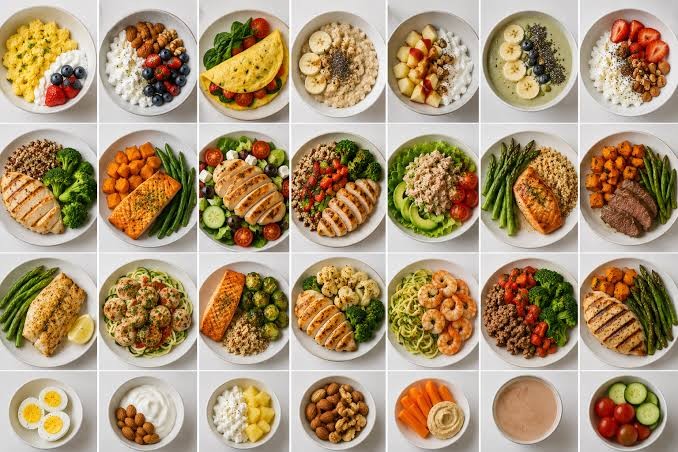
- Combine 25–30 grams of lean protein (wild salmon, turkey breast, or organic tofu) with non-starchy vegetables.
- Include a moderate serving of healthy fats, such as half an avocado or a tablespoon of extra-virgin olive oil.
- Incorporate fiber-rich foods for menopause to slow carbohydrate absorption and promote microbiome balance.
Step 2: Utilize the 15-Minute Post-Dinner Walk
A light stroll after your evening meal acts as a non-pharmacological glucose buffer. Contractulating skeletal muscle beds pull glucose out of circulation independently of insulin via GLUT4 protein translocation. This simple habit smooths out post-meal blood sugar spikes, ensuring insulin levels clear out before your head hits the pillow.
Step 3: Lower Bedroom Temperature to Support Thermal Regulation
Decreasing bedroom temperature to approximately 65°F (18°C) works in harmony with your body’s circadian clock. A cooler room helps mitigate middle-of-the-night hot flashes and facilitates the thermal drop necessary for stage-3 slow-wave sleep—the specific sleep phase responsible for peak human growth hormone (HGH) release.
Step 4: Down-Regulate Your Nervous System
Elevated evening cortisol keeps the sympathetic “fight-or-flight” system active. Spend 5 to 10 minutes performing deep diaphragmatic breathing (such as the 4-7-8 breathing technique) or gentle restorative yoga stretches. This shifts your nervous system into a parasympathetic state, signaling to your brain that it is safe to rest and burn stored energy.
Dr. Preet Pal’s Clinical Perspective
“In clinical practice, women frequently tell me they are eating 1,200 calories and exercising daily, yet gaining weight around their midsection. When we analyze their sleep architecture and gut health, the culprit becomes clear: chronic nocturnal inflammation and elevated late-night cortisol.
If your gut microbiome is imbalanced, systemic endotoxins cross the intestinal barrier overnight, triggering low-grade inflammation that forces the body to store visceral fat regardless of daytime caloric deficit. Fixing the evening routine must address both sleep efficiency and gastrointestinal health.”
Supporting Gut Health to Reduce Menopause Bloating and Fat Retention
While fixing sleep hygiene and meal timing addresses hormone regulation, gut health plays an equally vital role in midsection weight loss after 40. Estrogen directly supports the integrity of the gut lining and feeds beneficial bacteria strains (collectively known as the estrobolome). As estrogen drops, microbial diversity decreases, frequently leading to:
- Slowed Motility: Delayed transit time causes uncomfortable evening abdominal distension and bloating.
- Intestinal Permeability: Increased gut permeability allows bacterial lipopolysaccharides (LPS) into circulation, triggering systemic inflammation and insulin resistance.
- Impaired Estrogen Recycling: An unhealthy gut microbiome fails to recycle active estrogen, worsening systemic hormonal imbalance.
Targeted Gut Support with PrimeBiome
To counteract these microbial shifts, many women benefit from targeted probiotic and digestive support designed specifically for perimenopausal and menopausal physiology.
The Gut-Metabolism Axis in Menopause
PrimeBiome is formulated to address estrogen-related digestive slowing and microbiome imbalance. By delivering clinical strains of spore-forming probiotics alongside prebiotics, it works to reinforce the gut barrier, suppress bloating, and promote optimal nutrient absorption. Integrating a specialized gut health supplement into your evening routine helps soothe digestive inflammation while you sleep, making it easier to wake up with a flatter, more comfortable midsection.
3 Common Evening Mistakes That Block Nighttime Fat Loss
Even with good intentions, simple daily habits can derail your nighttime metabolic progress. Avoid these common pitfalls:
- Drinking Wine as a Sleep Aid: While a glass of red wine may induce drowsiness, alcohol degrades REM and deep sleep quality. It also prioritizes alcohol metabolism over lipid oxidation, halting fat burning for several hours.
- Consuming High-Fat, Late-Night Snacks: Consuming snacks high in fat and refined carbohydrates close to bedtime keeps insulin elevated, signaling your body to store those calories as adipose tissue.
- Engaging in Stressful Late-Night Tasks: Checking work emails, reviewing finances, or watching distressing news before bed triggers an adrenaline and cortisol spike that disrupts sleep quality and hormone balance.
Why Evening Habits Matter More Than You Think
Most people focus on diet and workouts. That makes sense. But your evening routine quietly controls key fat-burning hormones.
During menopause, levels of estrogen drop. This shift affects:
- How your body stores fat
- Your insulin sensitivity
- Your sleep quality
- Your stress hormones
If your evening routine disrupts sleep or spikes cortisol, your body holds onto fat—especially around the belly.
In simple terms:
What you do at night affects how your body burns fat the next day.
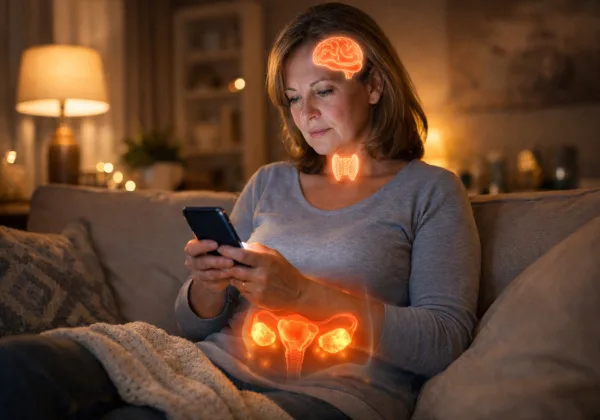
The Science Behind Menopause Weight Gain at Night
Menopause changes how your body responds to food, stress, and sleep.
Here’s what actually happens:
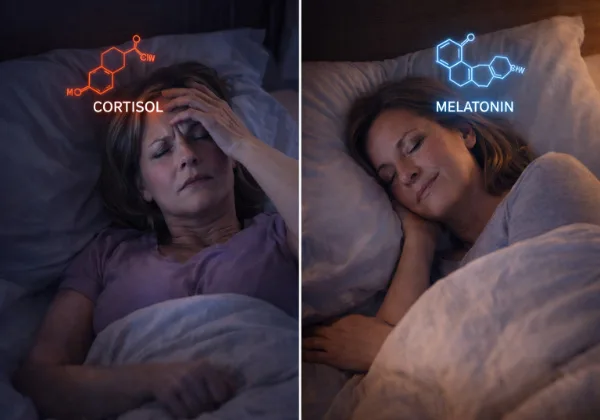
1. Cortisol Spikes in the Evening
Stress raises cortisol. High cortisol at night encourages fat storage and increases cravings.
2. Poor Sleep Disrupts Fat Loss Hormones
Sleep affects leptin and ghrelin—your hunger hormones. Less sleep means more cravings.
3. Insulin Sensitivity Drops at Night
Eating heavy meals late makes it easier to store fat instead of burning it.
4. Slower Metabolism
Muscle loss during menopause reduces your resting metabolic rate.
That’s why a structured menopause night routine weight loss plan works—it tackles all four issues at once.
If you want to understand why your body stores more fat even without extra calories, you’ll find a deeper explanation in Weight Gain After 40 Women Causes (Even Without Eating More) – Real Causes Explained.
Common Mistakes That Sabotage Your Night Routine
Even small habits can undo your progress.
Eating Late at Night
Late meals increase fat storage and disrupt sleep.
Drinking Alcohol Before Bed
Alcohol may make you sleepy—but it reduces sleep quality and increases belly fat.
Skipping Dinner
This backfires. It can lead to late-night overeating.
Overthinking Weight Loss
Stress itself slows fat loss. Your routine should feel calming, not stressful.
How Long Before You See Results?
Consistency matters more than perfection.
Most women notice:
- Better sleep within a week
- Reduced cravings in 1–2 weeks
- Gradual weight changes in 3–6 weeks
Remember: menopause weight gain didn’t happen overnight. Reversing it takes time—but it’s absolutely possible.
A Sample Evening Routine You Can Follow
Here’s a simple example:
6:30 PM – Light dinner
7:00 PM – 15-minute walk
8:00 PM – Relax (no screens)
8:30 PM – Stretch or meditate
9:30 PM – Prepare for bed
10:00 PM – Sleep
You don’t need perfection. You need consistency.
Why This Menopause Night Routine Weight Loss Plan Works
This routine targets the root causes of weight gain:
- Balances hormones
- Improves sleep quality
- Reduces stress
- Supports metabolism
It doesn’t rely on extreme dieting or exhausting workouts.
Instead, it works with your body—not against it.
Frequently Asked Questions
What is the best menopause night routine weight loss strategy?
The best menopause night routine weight loss strategy focuses on eating a light dinner early, reducing screen time, managing stress, and getting quality sleep. These habits help balance hormones like cortisol and insulin, which play a key role in fat storage during menopause.
Can a menopause night routine really help with weight loss?
Yes, a consistent menopause night routine weight loss plan can support fat loss by improving sleep quality and hormone balance. Better sleep helps regulate hunger hormones and reduces late-night cravings, making it easier to manage weight naturally.
What should I avoid at night during menopause to prevent weight gain?
To support menopause night routine weight loss, avoid late-night eating, sugary snacks, alcohol before bed, and excessive screen time. These habits can disrupt sleep, increase cortisol, and make your body store more fat.
What is the best time to eat dinner for menopause weight loss?
For an effective menopause night routine weight loss approach, eat dinner at least 2–3 hours before bedtime. This allows your body to digest properly, improves insulin sensitivity, and reduces the risk of fat storage overnight.
Final Thoughts
Menopause changes your body—but it doesn’t remove your control.
A smart menopause night routine weight loss strategy can help you:
- Sleep better
- Feel calmer
- Reduce stubborn weight gain
Start small. Stay consistent. Let your evening routine do the heavy lifting while you sleep.
Verified Medical Sources
- National Institutes of Health (NIH / NIA): Menopause & Sleep Disturbances: Physiology and Management
- Mayo Clinic: Menopause Weight Gain: Stop the Middle-Age Spread
- CDC: Sleep and Chronic Disease Guidelines
- Endocrine Society: Hormonal Changes During Menopause and Metabolic Outcomes
Author Bio
Written by Emily Carter, Menopause Health Researcher & Women’s Wellness Writer.
She specializes in menopause-related weight gain, hormonal changes, and natural strategies for women over 40.
Health Disclaimer
This content is for informational purposes only and is not intended to diagnose, treat, or cure any disease. Always consult your healthcare provider before making changes to your diet or health routine. This article may include affiliate links, which come at no extra cost to you.