
Dr. Preet Pal SB, MD
Physician specializing in diabetes, metabolic health, and joint care management. Read More About Dr. Preet Pal’s Medical Credentials & Editorial Integrity Here
Table of Contents
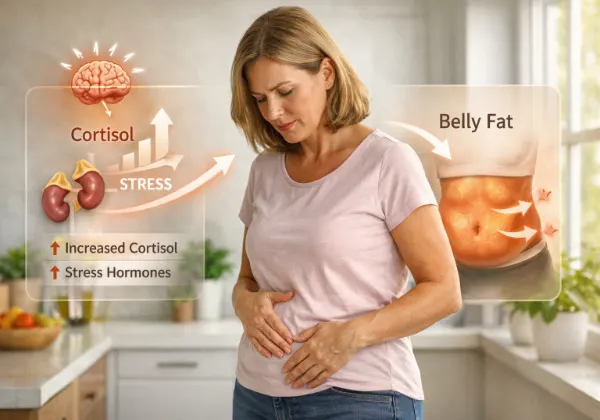
If you are waking up with stubborn central weight gain despite eating clean and working out, you are not alone. Understanding the direct connection between cortisol menopause belly fat is the first step toward reclaiming your metabolic health after 40.
During midlife, dropping estrogen levels force your body to rely heavily on your adrenal glands. When chronic stress hits, these glands pour out cortisol, triggering a domino effect that redirects energy storage straight to your midsection.
Quick Summary: How Stress Fuels Midlife Belly Fat
Understanding Menopause and Hormonal Shifts
Menopause marks the end of menstrual cycles. It usually happens between ages 45 and 55. During this time, your body reduces production of estrogen and progesterone.
These hormones do more than regulate periods. They also influence:
- Fat distribution
- Metabolism
- Appetite
- Insulin sensitivity
When estrogen drops, your body starts storing more fat around the abdomen instead of the hips and thighs. This shift alone explains part of the belly fat story—but not all of it.
Stress plays a bigger role than most people realize.
What Is Cortisol and Why Does It Cause Abdominal Weight Gain?
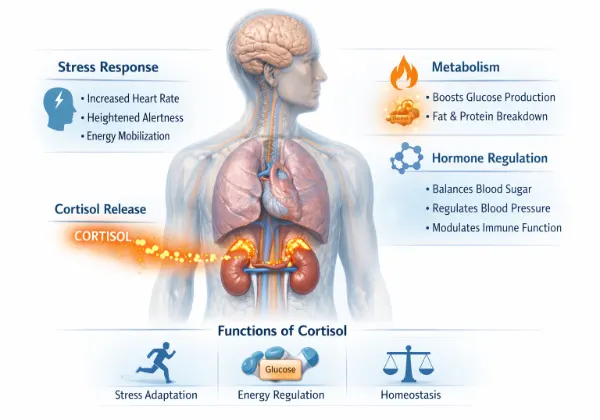
Cortisol is your body’s primary stress hormone, produced by the adrenal glands. Under normal circumstances, it acts like a home thermostat: it regulates blood sugar, suppresses non-essential functions during danger, and keeps inflammation in check.
Think of cortisol as an emergency generator in a home. When a storm knocks out main power, the generator kicks on to keep vital appliances running. But if you leave that backup generator running continuously for years, it overheats, exhausts its fuel supply, and eventually damages the household wiring.
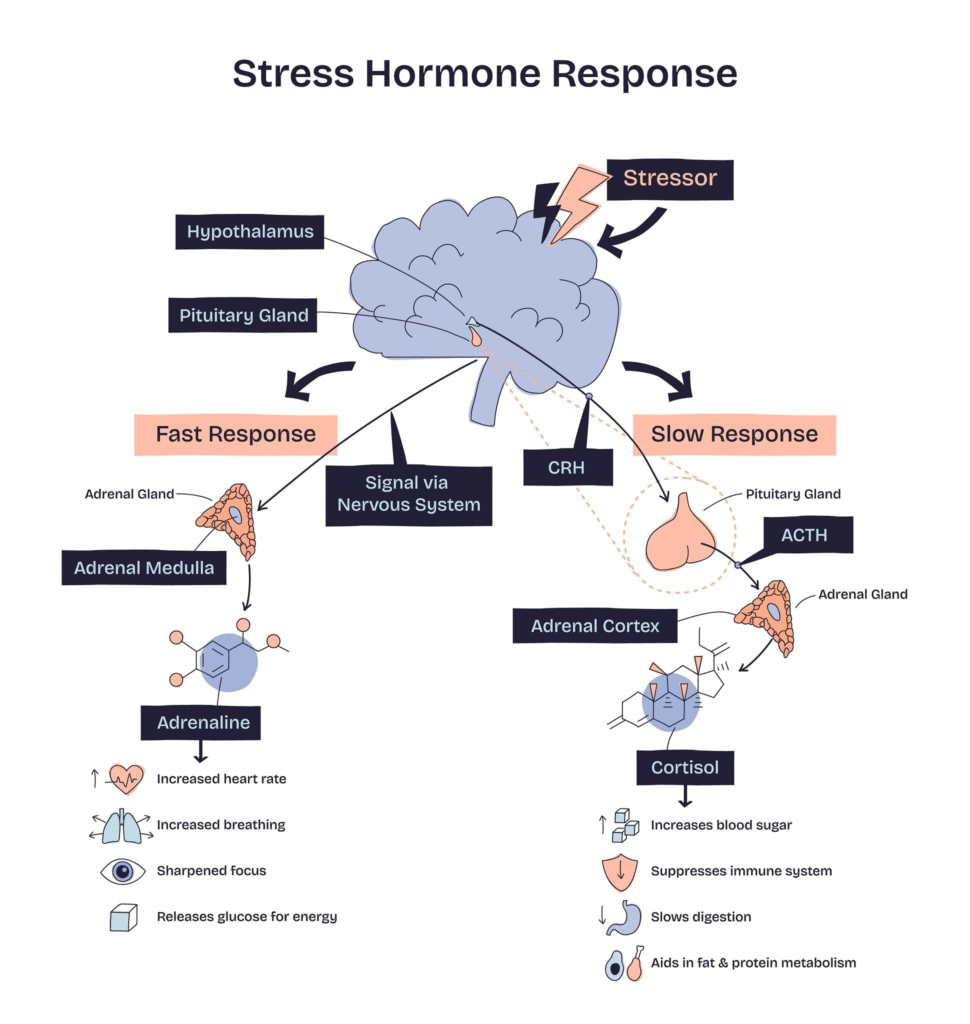
When cortisol levels remain chronically elevated, your metabolism prioritizes short-term survival over long-term balance. It breaks down lean muscle tissue for quick glucose while signaling the liver to keep circulating sugar high. Because deep abdominal (visceral) fat cells contain up to four times more cortisol receptors than suburban fat on your arms or legs, your midsection becomes the primary biological target for excess energy storage.
Understanding these broader menopause metabolism changes helps clarify why old dieting rules stop working after 40.
Why Stress Hits Harder During Menopause
You might wonder: why does stress feel more intense during this stage of life?
Here’s what changes:
Hormonal Imbalance
Lower estrogen affects how your brain regulates stress. Estrogen normally helps buffer cortisol levels. Without it, cortisol spikes more easily.
Sleep Disruptions
Hot flashes, night sweats, and anxiety often disrupt sleep.
Poor sleep increases cortisol levels. It also affects hunger hormones like ghrelin and leptin, making you feel hungrier the next day.
Life Stressors
Many women face multiple pressures during midlife:
- Career demands
- Family responsibilities
- Aging parents
- Health concerns
This constant stress keeps cortisol levels elevated.

Signs Your Belly Fat May Be Stress-Related
Not all belly fat comes from stress. But certain signs point toward cortisol as a major factor:
- Fat accumulates mainly around the waist
- You feel tired but wired
- Cravings increase, especially for sugar
- Sleep feels poor or inconsistent
- You struggle to lose weight despite effort
If these sound familiar, stress management should become a priority—not an afterthought.
Practical Cortisol Management for Belly Fat: The Biological Link
To understand effective cortisol management for belly fat, you must look at how stress hormones interact with insulin and estrogen.
1. Insulin Resistance and Glucose Spikes
Cortisol suppresses insulin action so glucose remains available in the bloodstream. Over time, high glucose forces your pancreas to pump out more insulin. This double-hit of high cortisol and high insulin creates the exact biochemical environment required to lock fat inside abdominal cells. High-glycemic foods exacerbate this pathway; learning about sugar and menopause weight gain is critical for breaking the cycle.
2. Muscle Breakdown and Slower Resting Metabolism
Elevated stress hormones are catabolic, meaning they actively break down lean muscle mass. Muscle tissue is like the engine block of your vehicle—the larger and stronger it is, the more fuel (calories) you burn even while parked. Losing muscle drops your baseline metabolic rate, making weight gain easier even on lower calories.
3. Visceral Fat vs. Subcutaneous Fat
Not all abdominal fat is created equal:
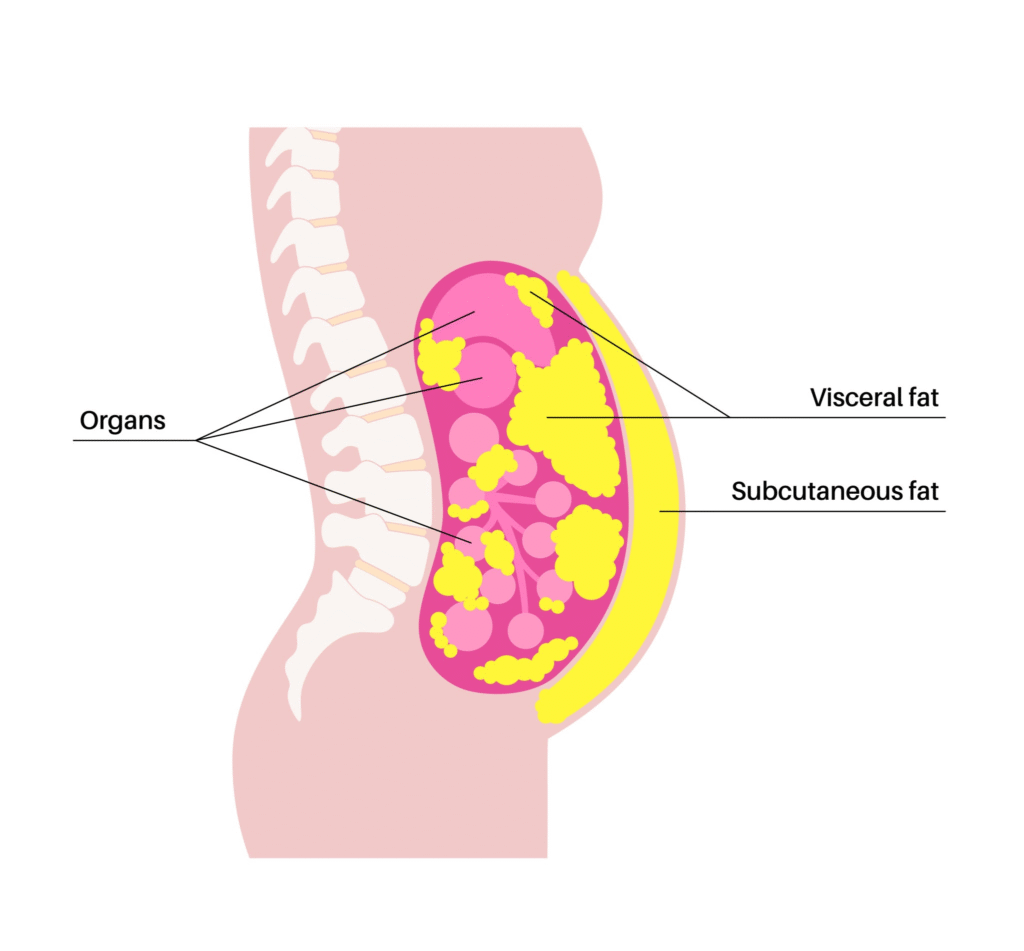
Comparing Midlife Belly Fat Types
Understanding the structural differences helps target your recovery strategy effectively:
| Feature | Subcutaneous Fat (“Pinchable”) | Visceral Fat (“Stress Belly”) |
|---|---|---|
| Location | Directly beneath the skin | Deep within the abdominal cavity around internal organs |
| Hormonal Driver | Caloric imbalance, declining estrogen | High cortisol, elevated insulin, chronic inflammation |
| Touch Profile | Soft, movable, easily pinched | Firm, pushed outward, tight abdominal wall |
| Health Impact | Primarily cosmetic concern | Increases risk of metabolic syndrome, cardiovascular strain, and type 2 diabetes |
| Best Response | Gentle caloric deficit, steady state movement | Cortisol reduction, insulin optimization, resistance training |
Why Midlife Stress Hits Harder After 40
Why did stress feel manageable in your 20s and 30s, but now causes immediate midsection changes?
Dr. Preet Pal’s Clinical Perspective
“In my clinical practice, women are often frustrated that strategies like strict caloric restriction and high-intensity cardio stop working in midlife. What many don’t realize is that declining estrogen removes a natural neuroprotective buffer against the HPA (hypothalamic-pituitary-adrenal) axis. Without estrogen’s dampening effect, identical emotional or physical stressors generate a significantly higher cortisol spike than they did ten years ago.”
Furthermore, sleep architecture changes during perimenopause. Vasomotor symptoms like night sweats trigger micro-awakenings that disrupt deep slow-wave sleep. Even if you stay in bed for 8 hours, poor sleep quality elevates waking cortisol by 37% to 45%, leaving you hungry and insulin-resistant by breakfast.
Evidence-Based Strategies to Lower Cortisol and Reduce Midsection Fat
Reducing stress-related abdominal fat requires shifting your nervous system from sympathetic (“fight-or-flight”) dominance to parasympathetic (“rest-and-digest”) recovery.
1. Shift from Chronic Cardio to Resistance Training
Endless high-intensity cardio or excessive distance running can elevate cortisol levels further. Instead, prioritize progressive resistance training 2 to 3 times per week. Building muscle acts like upgrading your engine, improving glucose disposal without overtaxing your adrenals.
2. Support Gut Health and Microflora Balance
Chronic stress impairs intestinal barrier function, altering the gut microbiome and causing systemic low-grade inflammation. Incorporating prebiotic fibers and fermentable foods nourishes beneficial microflora. Exploring target menopause fiber foods helps balance short-chain fatty acids that improve both gut integrity and metabolic health.
3. Fuel with Glucose-Stabilizing Nutrition
Skipping meals or following extreme restrictive diets acts as an acute biological stressor, causing your adrenal glands to release cortisol to synthesize glucose. Eat balanced meals rich in lean protein, healthy fats, and complex carbohydrates every 4 to 5 hours.
During menopause, elevated stress hormones can significantly disrupt your digestive ecosystem, slowing down gut motility and triggering persistent lower belly bloat that makes midsection weight gain feel impossible to manage. PrimeBiome is engineered specifically for midlife women to target this underlying gut bacteria imbalance at its root. Utilizing clinically backed, spore-forming probiotic strains, PrimeBiome works to soothe intestinal micro-inflammation, optimize nutrient absorption, and smooth out sluggish digestion. By restoring harmony to your microbiome, it helps eliminate painful gas and stubborn fluid retention, offering targeted relief from menopause bloat so you can feel lighter, comfortable, and confident in your body again.
Targeted Gut Health Support for Midlife Bloating & Weight Balance
While lifestyle adjustments form the foundation of hormone balance, ongoing gut dysbiosis can make progress feel impossibly slow. Elevated cortisol directly impacts gut motility and alters the delicate microbial ecosystem, leading to persistent lower belly distension, stubborn fluid retention, and sluggish digestion.
PrimeBiome Targeted Probiotic Formula
Designed specifically for midlife digestive health and restoring optimal gut microbiome balance during hormonal shifts.
“Targeted spore-forming probiotic strains help reduce intestinal micro-inflammation, supporting smoother digestion, reducing midsection bloating, and optimizing nutrient absorption.”
When digestive microbial balance is disrupted during menopause, digestive enzymes decrease and low-grade inflammation increases. This often results in “menopause bloat” that exacerbates the appearance of visceral weight gain
Supporting your digestive tract with targeted probiotic strains helps break the cycle of gut-driven stress signaling, ensuring your metabolic foundation remains resilient.
4 Common Mistakes That Inflate Midlife Belly Fat
Why Hormones Override Caloric Deficits After 40
While caloric balance remains a fundamental law of thermodynamics, your endocrine system dictates where those calories are stored and how efficiently energy is burned.
During menopause, declining estrogen shifts your biological vulnerability. Your body becomes hyper-sensitive to:
- Flucutuations in circulating cortisol
- Disruptions to slow-wave sleep architecture
- Insulin resistance triggered by systemic inflammation
This metabolic reality is why traditional “eat less, move more” strategies backfire in midlife. You cannot out-diet chronic adrenal strain—but when you prioritize nervous system recovery, your metabolic rate adapts accordingly.
Frequently Asked Questions
What is the link between cortisol and menopause belly fat?
Cortisol plays a major role in fat storage during menopause. In Cortisol Menopause Belly Fat Explained: Stress & Weight Gain Link, elevated stress hormones increase abdominal fat by promoting insulin resistance, cravings, and visceral fat storage around the organs.
Why does stress cause belly fat during menopause?
Stress increases cortisol levels, which signals the body to store fat—especially in the abdominal area. As explained in Cortisol Menopause Belly Fat Explained: Stress & Weight Gain Link, hormonal changes during menopause make women more sensitive to stress-related weight gain.
How can I reduce cortisol menopause belly fat naturally?
You can lower cortisol by improving sleep, managing stress, and doing strength training. According to Cortisol Menopause Belly Fat Explained: Stress & Weight Gain Link, balanced nutrition and regular physical activity also help reduce belly fat effectively.
Does high cortisol always lead to weight gain during menopause?
Not always, but chronic high cortisol often contributes to belly fat. In Cortisol Menopause Belly Fat Explained: Stress & Weight Gain Link, long-term stress combined with hormonal changes increases the risk of abdominal weight gain.
What foods help reduce cortisol and menopause belly fat?
Foods rich in protein, fiber, and healthy fats help regulate cortisol levels. As highlighted in Cortisol Menopause Belly Fat Explained: Stress & Weight Gain Link, whole foods like vegetables, nuts, and lean proteins support hormone balance and fat loss.
Summary & Key Takeaways
Managing abdominal weight gain in midlife is not a matter of willpower—it is a matter of hormone regulation. By prioritizing sleep, adopting strength-focused movement, stabilizing blood sugar, and supporting gut health, you signal to your body that it is safe to release stored visceral energy.
Verified Medical Sources
- Mayo Clinic: Stress management and weight gain
- National Institutes of Health (NIH): Cortisol and Abdominal Fat Accumulation
- Endocrine Society: Menopause and Metabolic Health Guidelines
- CDC: Physical Activity Guidelines for Midlife Adults
Author Bio
Written by Emily Carter, Menopause Health Researcher & Women’s Wellness Writer.
She specializes in menopause-related weight gain, hormonal changes, and natural strategies for women over 40.
Health Disclaimer
This content is for informational purposes only and is not intended to diagnose, treat, or cure any disease. Always consult your healthcare provider before making changes to your diet or health routine. This article may include affiliate links, which come at no extra cost to you.