Weight loss after 40 can feel frustrating. Many women notice that the same habits that worked in their 20s or 30s no longer deliver the same results. Hormonal changes, reduced muscle mass, and a slower metabolism all play a role.
But here’s the encouraging part: the right protein foods can make weight loss much easier.
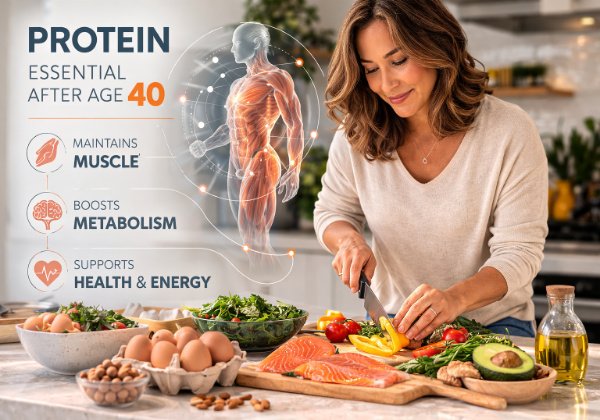
Protein helps preserve muscle, keeps you full longer, and supports metabolism. If you choose the right protein foods, you can lose fat while keeping your body strong and energized.
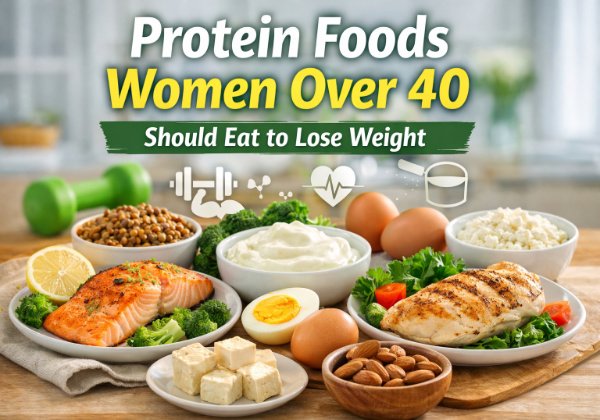
In this guide, we’ll break down the best protein foods women over 40 should eat to lose weight, along with practical tips backed by trusted research.
Table of Contents
Why Protein Becomes More Important After 40
As women age, the body naturally begins to lose muscle mass. Researchers call this age-related muscle loss (sarcopenia). According to the National Institute on Aging, adults start losing muscle gradually after age 30, and the rate increases with age.
Muscle matters because it burns more calories than fat. When muscle mass drops, metabolism slows down.
This creates a common cycle:
- Lower muscle mass
- Slower metabolism
- Easier weight gain
- Harder fat loss
Protein helps break that cycle.
A higher protein intake can:
- Support muscle maintenance
- Improve satiety (feeling full)
- Reduce cravings
- Boost calorie burning during digestion
Studies published in the American Journal of Clinical Nutrition show that higher protein diets help people preserve lean mass during weight loss.
For women over 40 trying to lose weight, protein is one of the most powerful nutritional tools available.
How Much Protein Do Women Over 40 Need?
The Recommended Dietary Allowance (RDA) for protein is 0.8 grams per kilogram of body weight. However, many experts believe this amount is too low for active adults and older women.
Research from the International Society of Sports Nutrition suggests that 1.2–1.6 grams per kilogram of body weight may better support muscle maintenance and fat loss.
For example:
- A 150-lb (68 kg) woman may benefit from 80–110 grams of protein per day.
Instead of eating all that protein in one meal, experts recommend spreading it across the day.
A simple rule:
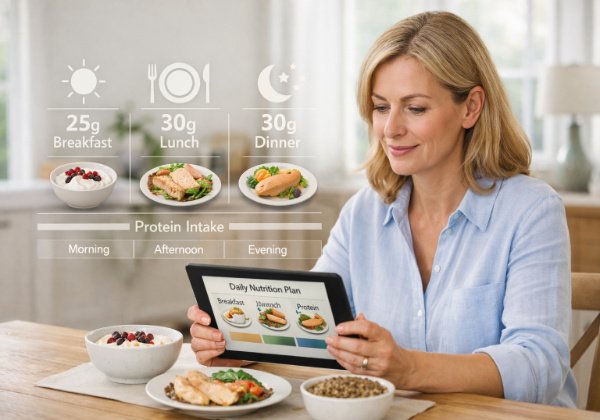
Aim for 20–30 grams of protein per meal.
This approach supports muscle repair and keeps hunger under control.
Best Protein Foods Women Over 40 Should Eat
Not all protein sources work the same way for weight loss. The best choices provide high-quality protein, essential nutrients, and reasonable calorie levels.
Here are the top protein foods women over 40 should include in their diet.
1. Eggs
Eggs remain one of the most nutrient-dense protein foods available.
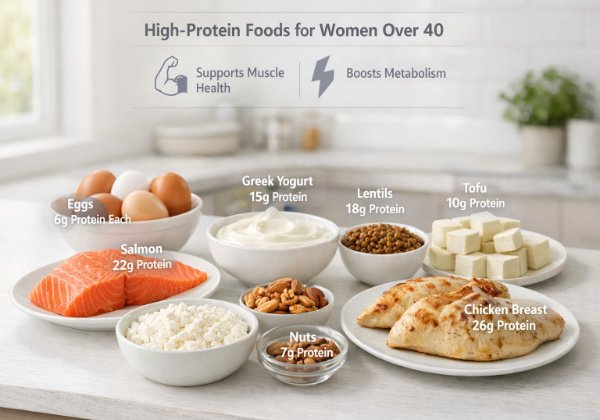
One large egg provides about 6 grams of high-quality protein along with important nutrients like vitamin B12, selenium, and choline.
Eggs also contain all nine essential amino acids, making them a complete protein.
Research published in the International Journal of Obesity found that people who ate eggs for breakfast felt fuller and consumed fewer calories later in the day compared with those who ate bagels.
Why eggs work well for weight loss:
- High protein for relatively few calories
- Support muscle maintenance
- Keep you full longer
Tip: Pair eggs with vegetables and whole grains for a balanced meal.
2. Greek Yogurt
Greek yogurt stands out as one of the best protein foods women over 40 can eat for weight loss.
A typical serving provides 15–20 grams of protein, depending on the brand.
It also contains probiotics, which support gut health. Emerging research suggests that gut health may influence weight regulation.
Greek yogurt also delivers:
- Calcium for bone health
- Vitamin B12
- Potassium
Choose plain, unsweetened varieties to avoid added sugar.
Simple idea:
Add berries, nuts, and chia seeds for a high-protein breakfast.
3. Salmon
Fatty fish like salmon offer a powerful combination of high-quality protein and omega-3 fatty acids.
A 3-ounce serving of salmon contains about 22 grams of protein.
Omega-3 fats support:
- Heart health
- Brain function
- Reduced inflammation
Inflammation tends to increase with age and may contribute to weight gain and metabolic issues.
Studies from Harvard T.H. Chan School of Public Health show that fish consumption supports overall metabolic health.
Salmon also provides vitamin D, a nutrient many women over 40 lack.
Tip: Grill, bake, or air-fry salmon with herbs and lemon.
4. Chicken Breast
Chicken breast remains a classic lean protein for weight loss.
A 3-ounce serving delivers roughly 26 grams of protein with minimal fat.
Because chicken contains few carbohydrates, it fits well into many healthy eating patterns, including Mediterranean and balanced low-carb diets.
Benefits include:
- High protein density
- Low calorie content
- Easy meal preparation
To keep meals interesting, try different cooking styles:
- grilled chicken salad
- shredded chicken wraps
- chicken and vegetable stir-fry
Avoid deep frying to keep calories under control.
5. Lentils
Plant-based eaters have excellent protein options too. Lentils rank among the best.
One cup of cooked lentils contains about 18 grams of protein along with fiber, iron, and magnesium.
Fiber plays a major role in weight loss because it:
- slows digestion
- improves satiety
- stabilizes blood sugar
Many women over 40 do not consume enough fiber, so lentils help fill that gap.
They also support heart health and digestive health.
Simple idea:
Add lentils to soups, salads, or vegetable bowls.
6. Cottage Cheese
Cottage cheese has quietly become one of the most popular high-protein foods among nutrition experts.
One cup provides around 24 grams of protein.
It contains a type of protein called casein, which digests slowly. That slow digestion helps maintain fullness for longer periods.
Because of that, cottage cheese works well as a healthy evening snack.
It also provides calcium, which supports bone health — an important concern for women after menopause.
For better flavor and nutrition, add:
- fresh fruit
- cinnamon
- walnuts
7. Tofu
Tofu provides a versatile plant-based protein option.
Half a cup of tofu contains around 10 grams of protein along with calcium and iron.
Soy foods like tofu contain compounds called isoflavones, which researchers have studied for potential benefits in menopausal women.
The North American Menopause Society reports that moderate soy intake can support overall health during midlife.
Tofu absorbs flavor well, making it easy to cook with spices, sauces, and vegetables.
Try:
- tofu stir-fry
- grilled tofu bowls
- tofu salads
8. Lean Turkey
Turkey offers another excellent lean protein source.
A 3-ounce serving provides about 25 grams of protein with relatively low fat.
Turkey also supplies:
- vitamin B6
- niacin
- selenium
These nutrients support metabolism and energy production.
Ground turkey works well in many healthy recipes, including:
- turkey lettuce wraps
- turkey chili
- turkey vegetable bowls
Choose lean or extra-lean versions when possible.
Nutrition experts often recommend combining protein-rich meals with structured eating patterns. For example, strategies like Intermittent Fasting Menopause Weight Loss: Benefits, Risks & Tips may help regulate insulin levels and support fat burning during midlife.
Smart Protein Tips for Women Over 40
Eating more protein helps, but how you structure your meals matters too.
Here are a few evidence-based strategies.
1. Include Protein in Every Meal
Many people eat most of their protein at dinner. Research shows that spreading protein across meals improves muscle protein synthesis.
Example:
- Breakfast: Greek yogurt and berries
- Lunch: Chicken salad
- Dinner: Salmon with vegetables
2. Pair Protein With Fiber
Protein and fiber form a powerful combination for weight loss.
Fiber slows digestion and helps regulate blood sugar, which prevents energy crashes and overeating.
Good fiber sources include:
- vegetables
- legumes
- whole grains
- berries
3. Combine Protein With Strength Training
Diet alone cannot maintain muscle. Strength training stimulates muscle growth and helps the body use protein effectively.
Even two to three weekly sessions of resistance exercise can improve body composition.
Simple options include:
- bodyweight exercises
- resistance bands
- light dumbbells
4. Avoid Ultra-Processed Protein Foods
Many packaged foods advertise high protein but include excessive sugar, sodium, or additives.
Examples include:
- sugary protein bars
- ultra-processed shakes
- protein desserts
Whole foods provide better nutrition and better satiety.
A Simple High-Protein Day for Women Over 40
Here is a balanced example day:
Breakfast
Greek yogurt with berries and chia seeds
Protein: ~20 g
Lunch
Grilled chicken salad with vegetables and olive oil
Protein: ~30 g
Snack
Cottage cheese with walnuts
Protein: ~15 g
Dinner
Salmon, roasted vegetables, and quinoa
Protein: ~30 g
Total: ~95 grams of protein
This amount supports fat loss while maintaining muscle mass.
Frequently Asked Questions
What are the best protein foods for women over 40 trying to lose weight?
The best protein foods for women over 40 trying to lose weight include eggs, Greek yogurt, salmon, chicken breast, lentils, cottage cheese, tofu, and lean turkey. These foods provide high-quality protein that helps preserve muscle mass, control appetite, and support metabolism. Nutrition experts recommend choosing whole, minimally processed protein sources because they provide additional nutrients such as omega-3 fatty acids, calcium, iron, and fiber.
How much protein should women over 40 eat for weight loss?
Most nutrition experts recommend that women over 40 consume about 1.2 to 1.6 grams of protein per kilogram of body weight per day when trying to lose weight. For many women, this equals roughly 80–110 grams of protein daily depending on body size and activity level. Spreading protein intake across meals—about 20–30 grams per meal—can help support muscle maintenance and improve satiety.
Why is protein important for women over 40 trying to lose weight?
Protein becomes more important after 40 because the body gradually loses muscle mass with age. Muscle helps burn calories and maintain a healthy metabolism. Eating enough protein helps preserve lean muscle, reduces hunger, and increases fullness after meals. These benefits make it easier for women over 40 to lose fat while maintaining strength and energy.
Are plant-based protein foods good for women over 40 trying to lose weight?
Yes, plant-based protein foods can support weight loss for women over 40. Foods such as lentils, tofu, chickpeas, quinoa, and beans provide protein along with fiber, vitamins, and minerals. Fiber improves fullness and helps regulate blood sugar levels, which may reduce cravings and overeating. A balanced diet can include both plant-based and animal protein sources.
What is the best time to eat protein for weight loss after 40?
Experts recommend eating protein throughout the day rather than consuming most of it at dinner. Including protein at breakfast, lunch, and dinner helps maintain muscle and keeps hunger under control. A protein-rich breakfast, such as eggs or Greek yogurt, may also help reduce cravings and prevent overeating later in the day.
Final Thoughts
Weight loss after 40 does not require extreme diets. Instead, it requires smarter nutrition choices.
Including the right protein foods women over 40 need can help:
- preserve muscle mass
- control appetite
- support metabolism
- improve long-term health
Focus on whole, nutrient-dense protein sources like eggs, salmon, Greek yogurt, chicken, lentils, tofu, cottage cheese, and turkey.
Pair those foods with regular exercise and a balanced diet. Over time, these habits create sustainable weight loss and better health.
Your metabolism may change with age, but with the right nutrition strategy, your body can still work with you—not against you.
Sources
- Harvard T.H. Chan School of Public Health – Protein and Health
- National Institute on Aging – Sarcopenia and Muscle Loss
- American Journal of Clinical Nutrition – Protein Intake and Weight Management
- International Society of Sports Nutrition – Protein and Exercise
- North American Menopause Society – Nutrition and Menopause
Author Bio
Written by Emily Carter, Menopause Health Researcher & Women’s Wellness Writer.
She specializes in menopause-related weight gain, hormonal changes, and natural strategies for women over 40.
Health Disclaimer
This content is for informational purposes only and is not intended to diagnose, treat, or cure any disease. Always consult your healthcare provider before making changes to your diet or health routine. This article may include affiliate links, which come at no extra cost to you.