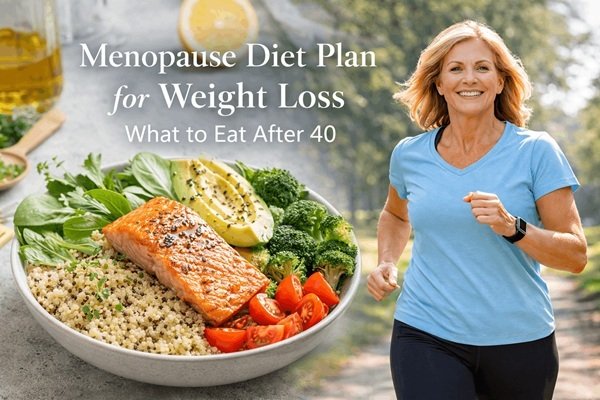
Many women notice unexpected weight changes during their 40s and 50s. Clothes feel tighter, belly fat appears more easily, and weight loss becomes slower than it used to be. This stage of life often brings a frustrating question:
“Why does my body suddenly behave differently?”
The answer lies in a mix of hormonal changes, metabolism shifts, and lifestyle factors.
According to the Mayo Clinic, declining estrogen levels during menopause can influence fat distribution, metabolism, and appetite. These changes often make it easier to gain weight and harder to lose it.
The good news? A well-structured menopause diet plan for weight loss can help balance hormones, support metabolism, and reduce unwanted weight gain.
This guide explains what to eat, what to avoid, and how to create a sustainable eating plan that works with your body rather than against it.
Why Diet Matters More During Menopause
Diet becomes increasingly important during menopause because the body’s metabolism changes.
Several biological factors influence weight management during this stage.
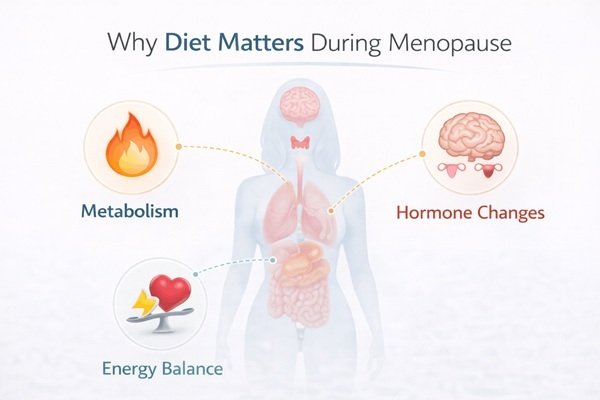
Hormonal Changes
Estrogen levels decline as menopause approaches. This hormonal shift can lead to increased abdominal fat storage and changes in appetite.
Research published in the Journal of Clinical Endocrinology & Metabolism shows that lower estrogen levels may increase visceral fat, the fat stored around abdominal organs.
Slower Metabolism
As people age, muscle mass naturally declines. Because muscle burns more calories than fat, this loss can slow the resting metabolic rate.
The National Institute on Aging explains that maintaining muscle mass and healthy nutrition becomes essential for metabolic health during midlife.
Changes in Appetite Hormones
Sleep disruptions and hormonal fluctuations may affect hunger hormones such as ghrelin and leptin, which regulate appetite and fullness.
These factors make thoughtful nutrition strategies even more important.
Diet plays a major role in midlife health, but exercise, sleep, and stress management are equally important. These habits are explained in detail in our guide on prevent menopause weight gain with proven lifestyle strategies.
Key Principles of a Menopause Diet Plan for Weight Loss
Before jumping into meal ideas, it helps to understand the core principles behind an effective menopause diet.
A healthy diet during menopause should focus on:
- Supporting metabolism
- Maintaining muscle mass
- Stabilizing blood sugar
- Reducing inflammation
- Promoting long-term heart health
Crash diets rarely work during menopause. Sustainable eating patterns deliver far better results.
Best Foods to Include in a Menopause Diet Plan
Certain foods support hormone balance, metabolic health, and weight management during menopause.
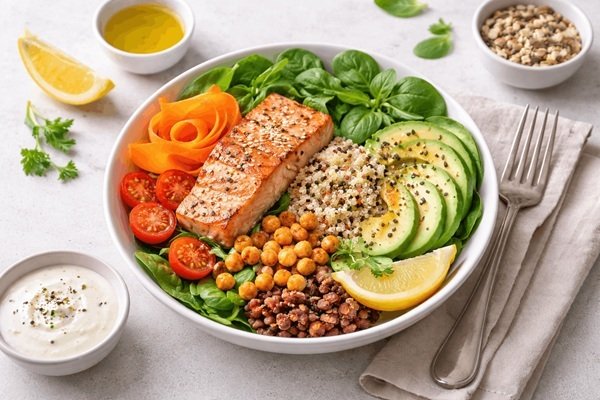
Let’s look at the most beneficial categories.
1. Lean Protein Sources
Protein plays a critical role in maintaining muscle mass, which helps keep metabolism active.
High-protein foods also increase satiety, meaning they help you feel full longer.
Healthy protein options include:
- Fish such as salmon or tuna
- Chicken breast
- Eggs
- Greek yogurt
- Tofu and tempeh
- Beans and lentils
Experts from Harvard Medical School note that adequate protein intake supports muscle preservation and metabolic health.
Aim to include protein in every meal.
2. Fiber-Rich Vegetables
Vegetables provide essential nutrients and dietary fiber while remaining low in calories.
Fiber improves digestion and helps control blood sugar levels.
Examples of beneficial vegetables include:
- Broccoli
- Spinach
- Kale
- Bell peppers
- Zucchini
- Brussels sprouts
Fiber also contributes to feelings of fullness, which can help reduce overall calorie intake.
3. Healthy Fats
Healthy fats play an important role in hormone production and heart health.
Sources of beneficial fats include:
- Avocados
- Olive oil
- Nuts and seeds
- Fatty fish such as salmon
These fats provide long-lasting energy and support nutrient absorption.
4. Whole Grains
Whole grains provide complex carbohydrates that release energy slowly.
Examples include:
- Oats
- Brown rice
- Quinoa
- Whole-grain bread
- Barley
Unlike refined carbohydrates, whole grains contain fiber and nutrients that help regulate blood sugar.
5. Calcium-Rich Foods
Bone health becomes a priority during menopause because estrogen helps maintain bone density.
The National Institutes of Health recommends adequate calcium intake to support bone health.
Foods rich in calcium include:
- Low-fat dairy products
- Fortified plant milks
- Leafy greens
- Almonds
Foods to Limit During Menopause
Just as important as what you eat is what you reduce.
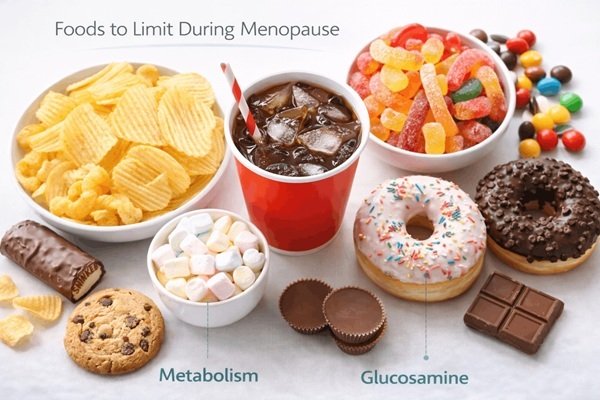
Certain foods can worsen weight gain and metabolic issues during menopause.
Sugary Drinks
Sugary beverages add calories without providing fullness.
Examples include:
- Soda
- Sweetened coffee drinks
- Energy drinks
Replacing them with water or herbal tea can reduce calorie intake significantly.
Highly Processed Foods
Highly processed foods often contain refined carbohydrates, excess sodium, and unhealthy fats.
Examples include:
- Packaged snacks
- Fast food
- Sugary cereals
- Refined baked goods
These foods can increase inflammation and disrupt blood sugar control.
Excess Alcohol
Alcohol contains empty calories and may interfere with sleep and hormone regulation.
Moderation is key.
Sample One-Day Menopause Diet Plan
Here is a simple example of a balanced menopause diet plan for weight loss.
Breakfast
Greek yogurt with berries, chia seeds, and a small portion of oats.
Mid-Morning Snack
A handful of almonds and a piece of fruit.
Lunch
Grilled chicken salad with mixed greens, avocado, olive oil, and quinoa.
Afternoon Snack
Carrot sticks with hummus.
Dinner
Baked salmon with roasted vegetables and brown rice.
Evening Option
Herbal tea or a small portion of yogurt if needed.
This type of meal pattern supports stable energy levels throughout the day.
Hydration Matters Too
Water plays a crucial role in metabolism and digestion.
Dehydration can sometimes mimic hunger signals, leading to unnecessary snacking.
Experts often recommend drinking six to eight glasses of water per day, though individual needs vary.
Adding lemon or cucumber slices can make water more enjoyable.
The Role of Physical Activity
While diet plays a central role in weight management, physical activity remains essential.
Combining nutrition with regular exercise produces the best results.
The Centers for Disease Control and Prevention recommends:
- 150 minutes of moderate activity per week
- Strength training twice per week
Strength training is particularly helpful because it preserves muscle mass.
Common Diet Mistakes During Menopause
Many people unknowingly follow strategies that slow progress.
Here are common mistakes to avoid.
Skipping Meals
Skipping meals often leads to overeating later in the day.
Balanced meals maintain stable blood sugar levels.
Extremely Low-Calorie Diets
Severely restricting calories can slow metabolism and increase hunger.
Moderation works better than extreme restriction.
Ignoring Protein Intake
Insufficient protein may lead to muscle loss, which slows metabolism.
When to Seek Professional Guidance
Some women experience more significant metabolic changes during menopause.
Consulting a healthcare professional or registered dietitian can be helpful if you experience:
- Rapid weight gain
- Persistent fatigue
- Blood sugar issues
- Difficulty managing appetite
Personalized guidance often improves long-term results.
Frequently Asked Questions
What is the best menopause diet plan for weight loss?
The best menopause diet plan for weight loss focuses on whole foods that support metabolism and hormone balance. Experts often recommend lean protein, fiber-rich vegetables, healthy fats, and whole grains. These foods help maintain muscle mass, control appetite, and stabilize blood sugar levels during menopause.
Why does diet matter more during menopause?
Diet becomes more important during menopause because hormonal changes can slow metabolism and increase fat storage, especially around the abdomen. A well-structured menopause diet plan for weight loss helps regulate blood sugar, support muscle mass, and reduce excess calorie intake.
What foods should be included in a menopause diet plan for weight loss?
A healthy menopause diet plan for weight loss typically includes lean proteins such as fish, chicken, eggs, and legumes, along with vegetables, whole grains, healthy fats, and calcium-rich foods. These foods support metabolic health, hormone balance, and long-term weight management.
What foods should women avoid during menopause for weight loss?
To support a menopause diet plan for weight loss, women should limit sugary drinks, highly processed foods, refined carbohydrates, and excessive alcohol. These foods can increase calorie intake and contribute to insulin resistance, making weight management more difficult during menopause.
Can a menopause diet plan help reduce belly fat?
Yes, a balanced menopause diet plan for weight loss can help reduce abdominal fat when combined with regular exercise and healthy lifestyle habits. Eating protein-rich foods, fiber, and healthy fats supports metabolism and helps regulate hormones that influence fat storage.
The Bottom Line
Menopause brings natural changes to hormones, metabolism, and body composition.
However, these changes do not make weight loss impossible.
A balanced menopause diet plan for weight loss should focus on:
- Lean proteins
- Fiber-rich vegetables
- Healthy fats
- Whole grains
- Adequate hydration
Combined with regular physical activity and good sleep, these habits support long-term health and sustainable weight management.
Menopause represents a new chapter—not a metabolic disaster.
With the right nutrition strategy, many women feel stronger, healthier, and more energetic than ever.
Sources & Medical References
- Mayo Clinic — Belly Fat and Healthy Diet Advice
- Centers for Disease Control and Prevention — Physical Activity Guidelines
- National Institute on Aging — Exercise and Physical Activity
- Mayo Clinic — Menopause and Weight Gain
Author Bio
Written by Emily Carter, Menopause Health Researcher & Women’s Wellness Writer.
She specializes in menopause-related weight gain, hormonal changes, and natural strategies for women over 40.
Health Disclaimer
This content is for informational purposes only and is not intended to diagnose, treat, or cure any disease. Always consult your healthcare provider before making changes to your diet or health routine. This article may include affiliate links, which come at no extra cost to you.