

Many women notice a frustrating change during their 40s and 50s. Clothes feel tighter. The waistline expands. And the scale seems to move upward even when eating habits stay the same.
If that sounds familiar, you’re not imagining it.
Research shows that women often gain about 1 to 1.5 pounds per year during midlife, particularly during the menopause transition. According to the Mayo Clinic, hormonal changes combined with aging and lifestyle factors can influence weight gain during menopause.
But here’s the encouraging news: menopause does not automatically lead to significant weight gain.
With the right strategies, many women successfully prevent menopause weight gain and maintain a healthy body composition well into their 50s and beyond.
Understanding how the body changes during menopause—and adjusting habits accordingly—makes a huge difference.
Let’s look at the science and the most effective ways to stay healthy during this stage of life.
Why Weight Gain Happens During Menopause
Before discussing prevention, it helps to understand why weight gain becomes more common during menopause.
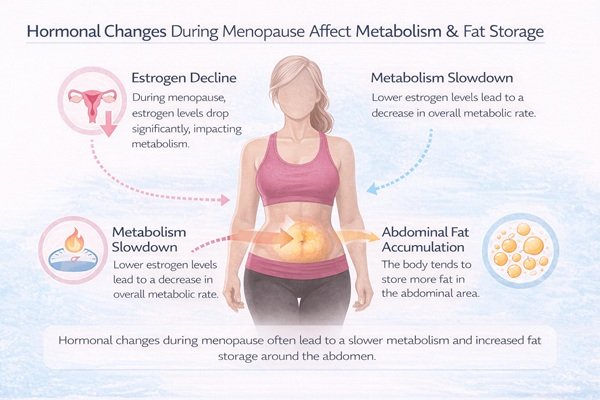
Several factors contribute to this change.
Hormonal Changes
During menopause, the ovaries produce less estrogen. This hormone influences fat distribution, metabolism, and appetite.
Lower estrogen levels can cause fat storage to shift toward the abdomen rather than the hips and thighs.
Research published in the Journal of Clinical Endocrinology & Metabolism shows that declining estrogen levels may increase visceral fat during midlife.
Slower Metabolism
Aging naturally leads to gradual muscle loss. Scientists call this process sarcopenia.
Because muscle burns more calories than fat, losing muscle slows metabolism. According to research in the American Journal of Clinical Nutrition, resting metabolic rate declines with age partly because of muscle loss.
Lifestyle Changes
Midlife often brings lifestyle shifts as well. Busy schedules, increased responsibilities, and stress can lead to less physical activity.
All of these factors combine to make weight gain easier.
However, simple and consistent habits can counteract these changes.
10 Proven Ways to Prevent Menopause Weight Gain
These evidence-based strategies can help maintain a healthy weight during menopause.
1. Strength Train at Least Twice a Week
Strength training plays a crucial role in maintaining muscle mass.
When women lift weights or perform resistance exercises, they help preserve lean muscle tissue. This supports metabolism and improves overall body composition.
The Centers for Disease Control and Prevention recommends that adults perform muscle-strengthening activities at least two days per week.
Examples include:
- Resistance band workouts
- Bodyweight exercises
- Dumbbell training
- Pilates
Maintaining muscle is one of the most effective ways to prevent menopause weight gain.
Strength training and daily movement can also support long-term menopause belly fat loss, especially when combined with balanced nutrition.
2. Walk More Every Day
Walking remains one of the simplest and most powerful forms of exercise.
Regular walking helps burn calories, improve heart health, and regulate blood sugar levels.
Experts at Harvard Medical School report that brisk walking can support weight management and reduce abdominal fat.
Aim for 7,000–10,000 steps per day whenever possible.
The key is consistency rather than intensity.
3. Prioritize Protein in Every Meal
Protein helps maintain muscle mass and promotes feelings of fullness.
Including protein in meals can prevent overeating and stabilize blood sugar levels.
Healthy protein sources include:
- Eggs
- Fish
- Chicken
- Greek yogurt
- Beans and lentils
- Tofu
Nutrition experts often recommend distributing protein evenly throughout the day.
This simple habit supports metabolism and helps prevent menopause weight gain.

4. Improve Sleep Quality
Sleep affects many hormones that regulate appetite and metabolism.
When sleep becomes disrupted—often due to night sweats or hot flashes—hunger hormones can become unbalanced.
Poor sleep increases the hormone ghrelin, which stimulates appetite, and decreases leptin, which signals fullness.
Research from the National Sleep Foundation confirms that sleep deprivation can increase calorie intake.
Prioritizing sleep can therefore play an important role in weight management.
5. Manage Stress and Cortisol
Stress can influence weight through hormonal pathways.
When stress levels rise, the body releases cortisol. Chronically elevated cortisol may encourage fat storage, especially around the abdomen.
Experts from Harvard Health Publishing explain that stress hormones may influence both appetite and fat distribution.
Helpful stress-management techniques include:
- Yoga
- Meditation
- Breathing exercises
- Spending time outdoors
- Regular physical activity
Even short daily relaxation practices can improve hormonal balance.
6. Focus on Whole Foods Instead of Processed Foods
Highly processed foods often contain excess sugar, unhealthy fats, and refined carbohydrates.
These foods tend to increase calorie intake while providing limited nutritional value.
Whole foods provide better satiety and support metabolic health.
Examples include:
- Fresh vegetables
- Fruits
- Whole grains
- Lean proteins
- Nuts and seeds
A diet built around whole foods can help prevent menopause weight gain without requiring extreme dieting.
7. Reduce Sugary Drinks
Sugary beverages are one of the easiest sources of hidden calories.
Drinks such as soda, sweetened coffee drinks, and energy beverages provide calories but do not create lasting fullness.
Replacing sugary drinks with healthier options can reduce overall calorie intake.
Better choices include:
- Water
- Sparkling water
- Herbal tea
- Unsweetened coffee
Small changes like this often make a meaningful difference over time.

8. Stay Physically Active Throughout the Day
Structured exercise matters, but everyday movement also plays an important role.
Activities such as household chores, gardening, and taking the stairs all contribute to daily energy expenditure.
Researchers sometimes call this non-exercise activity thermogenesis (NEAT).
Increasing daily movement can help prevent gradual weight gain during midlife.
9. Avoid Crash Diets
Many people attempt extreme diets to control weight gain.
Unfortunately, severe calorie restriction can slow metabolism and lead to muscle loss.
This often makes long-term weight management more difficult.
Balanced and sustainable eating habits produce better results.
Instead of drastic dieting, focus on gradual lifestyle improvements.
10. Monitor Health Markers Regularly
Weight alone does not tell the full story of metabolic health.
Other important indicators include:
- Waist circumference
- Blood sugar levels
- Cholesterol levels
- Blood pressure
Regular health checkups help identify potential metabolic changes early.
The National Institute on Aging recommends discussing weight changes and metabolic health with a healthcare professional during midlife.
Common Myths About Menopause Weight Gain
Many misconceptions exist about menopause and weight gain.
Let’s clear up a few common myths.
Myth 1: Weight Gain Is Inevitable
While weight gain becomes more common during menopause, it is not unavoidable.
Healthy habits can significantly reduce the risk.
Myth 2: Cardio Alone Is Enough
Cardio helps burn calories, but strength training remains essential for maintaining muscle mass and metabolism.
Myth 3: Eating Less Is the Only Solution
Extremely low-calorie diets can actually slow metabolism and increase hunger.
Balanced nutrition works much better.
Frequently Asked Questions
Why do women gain weight during menopause?
Weight gain during menopause often happens because estrogen levels decline while metabolism slows with age. Muscle mass may decrease and fat storage tends to shift toward the abdomen. Understanding these hormonal and metabolic changes helps women take steps to prevent menopause weight gain through exercise, diet, and lifestyle adjustments.
Is it possible to prevent menopause weight gain?
Yes, many women can prevent menopause weight gain by maintaining an active lifestyle, eating balanced meals, and preserving muscle mass through strength training. Consistent exercise, good sleep, and stress management also support healthy metabolism during menopause.
What is the best exercise to prevent menopause weight gain?
Experts often recommend combining strength training with aerobic exercise. Strength training helps maintain muscle mass and metabolic rate, while activities such as walking, cycling, or swimming burn calories and support heart health. This combination is effective for preventing menopause weight gain.
At what age does menopause weight gain usually begin?
Weight gain may begin during perimenopause, which often starts in the early to mid-40s. Hormonal fluctuations during this stage can affect metabolism and fat distribution, making it easier to gain weight if lifestyle habits remain unchanged.
What foods help prevent menopause weight gain?
Whole foods such as vegetables, fruits, lean proteins, whole grains, and healthy fats support metabolism and overall health. Limiting processed foods, sugary drinks, and refined carbohydrates can help women maintain a healthy weight during menopause.
When Should Women Talk to a Doctor?
Weight changes during menopause often occur gradually.
However, women should seek medical advice if they notice:
- Rapid unexplained weight gain
- Severe fatigue
- Persistent sleep problems
- Symptoms of metabolic disorders
Healthcare providers can evaluate hormone levels, thyroid function, and metabolic health.
Early intervention often prevents more serious issues.
The Bottom Line
Menopause marks a natural stage of life, but it also brings changes to metabolism, hormones, and body composition.
Declining estrogen levels, muscle loss, sleep disruption, and lifestyle shifts all contribute to midlife weight gain.
Fortunately, these changes do not mean weight gain is inevitable.
Women who focus on strength training, regular movement, balanced nutrition, quality sleep, and stress management can successfully prevent menopause weight gain and maintain long-term health.
Think of menopause not as a setback but as a chance to build smarter habits. These menopause weight management tips can help women stay healthy and active throughout midlife.
With the right approach, your body can remain strong, energetic, and healthy for decades to come.
Sources
- Mayo Clinic – Menopause and weight gain
- National Institute on Aging – Menopause health changes
- Centers for Disease Control and Prevention – Physical activity guidelines
Author Bio
Written by Emily Carter, Menopause Health Researcher & Women’s Wellness Writer.
She specializes in menopause-related weight gain, hormonal changes, and natural strategies for women over 40.
Health Disclaimer
This content is for informational purposes only and is not intended to diagnose, treat, or cure any disease. Always consult your healthcare provider before making changes to your diet or health routine. This article may include affiliate links, which come at no extra cost to you.