

Many women notice a frustrating change in their bodies during their 40s and 50s. The scale may not move much, but the waistline slowly expands. Pants feel tighter. The belly becomes softer. And workouts that used to work suddenly stop delivering results.
If this sounds familiar, you are not alone.
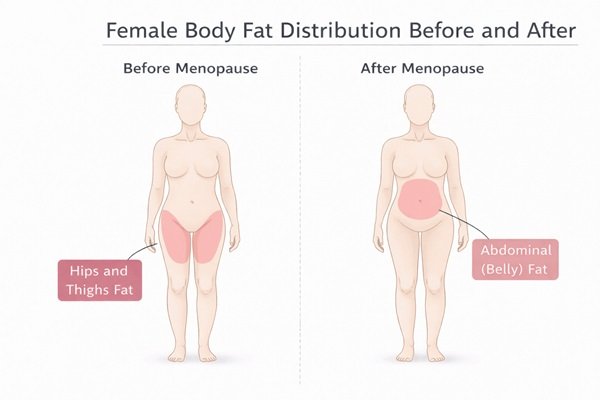
Research shows that fat distribution often changes during midlife, especially during the menopause transition. According to the Mayo Clinic, declining estrogen levels influence how the body stores fat, shifting it from the hips and thighs toward the abdomen.
The good news? Menopause belly fat does not have to be permanent.
With the right strategies, many women achieve menopause belly fat loss naturally and improve their overall health at the same time. The key lies in understanding the biological changes happening inside the body and responding with smarter habits.
Let’s break down the science and the practical solutions.
Why Belly Fat Increases During Menopause
Before learning how to lose menopause belly fat, it helps to understand why it appears in the first place.
Several biological factors work together during midlife.
1. Declining Estrogen Levels
Estrogen plays an important role in fat distribution.
Before menopause, estrogen encourages fat storage around the hips and thighs. As estrogen levels decline, the body shifts toward storing fat in the abdominal area.
Researchers from the Journal of Clinical Endocrinology & Metabolism report that lower estrogen levels increase visceral fat, the deeper belly fat that surrounds organs.
This explains why many women say:
“I didn’t gain much weight, but my belly suddenly appeared.”
Declining estrogen levels play a major role in belly fat accumulation, and understanding the real menopause weight gain causes can help women manage their weight more effectively during midlife.
2. Slower Metabolism With Age
Metabolism naturally slows as people age.
Part of this slowdown comes from loss of muscle mass, a process called sarcopenia. Muscle burns more calories than fat, even when the body is resting.
According to research published in the American Journal of Clinical Nutrition, resting metabolic rate declines gradually during midlife.
When the body burns fewer calories each day, fat storage becomes easier.
3. Increased Stress and Cortisol
Midlife often brings additional responsibilities, including career pressure, family demands, and financial planning.
Stress triggers the release of cortisol, a hormone that helps the body respond to challenges. However, chronically high cortisol levels can encourage fat storage around the abdomen.
Researchers from Harvard Health Publishing note that elevated cortisol may contribute to abdominal fat accumulation.
4. Sleep Problems During Menopause
Many women experience sleep disturbances during menopause.
Night sweats, hot flashes, and hormonal fluctuations can interrupt sleep patterns. Poor sleep affects hormones that control appetite, including ghrelin and leptin.
When sleep decreases, hunger often increases.
This hormonal shift can lead to more cravings for high-calorie foods, which makes menopause belly fat loss more difficult.
Is Menopause Belly Fat Dangerous?
Not all fat behaves the same way.
The fat stored deep inside the abdomen is called visceral fat. Unlike subcutaneous fat (the fat just under the skin), visceral fat surrounds organs such as the liver and intestines.
According to the National Institutes of Health (NIH), high levels of visceral fat are associated with increased risk of:
- Cardiovascular disease
- Type 2 diabetes
- Insulin resistance
- Metabolic syndrome
This does not mean every woman with belly fat faces these conditions. However, reducing abdominal fat can improve overall metabolic health.
How to Achieve Menopause Belly Fat Loss Naturally
The good news is that the body still responds to healthy habits during menopause. Weight loss may happen more slowly than before, but consistent lifestyle changes can produce strong results.
Here are evidence-based strategies.
1. Prioritize Strength Training
Strength training is one of the most effective tools for menopause belly fat loss.
When women lift weights or perform resistance exercises, they maintain muscle mass. Muscle helps the body burn more calories throughout the day.
The Centers for Disease Control and Prevention (CDC) recommends strength training exercises at least two days per week for adults.
Examples include:
- Resistance band workouts
- Bodyweight exercises
- Dumbbell training
- Pilates or strength-focused yoga
Even moderate resistance training can support metabolism and improve body composition.

2. Increase Daily Protein Intake
Protein supports muscle maintenance and helps control appetite.
Many nutrition experts recommend spreading protein intake across meals to support metabolic health.
Healthy protein sources include:
- Eggs
- Fish
- Chicken
- Greek yogurt
- Beans and lentils
- Tofu
Protein also helps stabilize blood sugar levels, which can reduce cravings and overeating.
3. Walk More Than You Think You Need
Walking remains one of the simplest and most effective exercises for menopause belly fat loss.
It requires no special equipment and carries minimal injury risk.
Research from Harvard Medical School suggests that regular brisk walking can help reduce abdominal fat and improve cardiovascular health.
Aim for 7,000–10,000 steps per day whenever possible.
Consistency matters more than intensity.
4. Improve Sleep Quality
Sleep plays a major role in weight management.
When sleep quality improves, appetite hormones return to healthier levels. Energy levels increase, which makes regular exercise easier.
Helpful strategies include:
- Keeping a consistent sleep schedule
- Avoiding screens before bedtime
- Maintaining a cool bedroom environment
- Limiting caffeine late in the day
For women experiencing severe night sweats, a healthcare professional can recommend appropriate treatments.
5. Reduce Ultra-Processed Foods
Highly processed foods often contain refined sugars, unhealthy fats, and excess sodium.
These foods tend to increase calorie intake without providing lasting satiety.
Examples include:
- Sugary drinks
- Packaged snacks
- Refined baked goods
- Fast food
Instead, focus on whole foods such as vegetables, fruits, lean proteins, whole grains, and healthy fats.
These foods support stable blood sugar levels and improve metabolic health.
6. Manage Stress Effectively
Chronic stress can sabotage menopause belly fat loss.
Stress influences cortisol levels, which may increase abdominal fat storage and stimulate cravings for comfort foods.
Helpful stress management techniques include:
- Meditation
- Yoga
- Deep breathing exercises
- Spending time outdoors
- Regular physical activity
Even small daily relaxation practices can improve hormonal balance.
7. Stay Consistent With Healthy Habits
Menopause often requires patience.
Weight loss may occur more gradually compared with earlier years, but consistent habits still produce results.
Instead of focusing only on the scale, pay attention to other positive changes such as:
- Increased energy
- Better sleep
- Improved strength
- Reduced waist circumference
These improvements reflect real progress.
What Not to Do When Trying to Lose Menopause Belly Fat
Many popular weight-loss approaches fail during menopause because they focus on extreme restrictions.
Avoid strategies such as:
- Crash dieting
- Skipping meals
- Excessive cardio without strength training
- Highly restrictive diet plans
These approaches often slow metabolism further and make long-term weight management more difficult.
Balanced and sustainable habits work much better.
Frequently Asked Questions
Why does belly fat increase during menopause?
Belly fat often increases during menopause because estrogen levels decline, which changes how the body stores fat. Instead of the hips and thighs, fat tends to accumulate around the abdomen. These hormonal changes are a common reason many women start looking for effective menopause belly fat loss strategies after 40.
Is menopause belly fat harder to lose?
Yes, menopause belly fat can be harder to lose because metabolism slows and muscle mass naturally decreases with age. Hormonal changes also influence fat storage and appetite. However, consistent exercise, strength training, balanced nutrition, and healthy sleep habits can significantly support menopause belly fat loss.
What is the best exercise for menopause belly fat loss?
The most effective exercise plan for menopause belly fat loss combines strength training and aerobic activity. Strength training helps preserve muscle and boost metabolism, while activities like walking, cycling, or swimming help burn calories and improve heart health. Experts often recommend exercising at least 150 minutes per week.
Can diet help with menopause belly fat loss?
Yes, diet plays a key role in menopause belly fat loss. Eating whole foods such as vegetables, fruits, lean proteins, and whole grains can support metabolism and reduce fat storage. Limiting sugary drinks, refined carbohydrates, and ultra-processed foods also helps maintain a healthy weight during menopause.
At what age does menopause belly fat usually start?
Many women begin noticing increased abdominal fat during perimenopause, which often starts in the early to mid-40s. Hormonal fluctuations during this stage affect metabolism and fat distribution. As a result, menopause belly fat loss becomes a common health goal for women during their 40s and 50s.
When Should Women Seek Medical Advice?
Most menopause belly fat develops gradually and responds to lifestyle adjustments.
However, women should consult a healthcare professional if they notice:
- Rapid unexplained weight gain
- Severe fatigue
- Persistent sleep problems
- Symptoms of metabolic disorders
Doctors may evaluate hormone levels, thyroid function, and metabolic health to identify underlying issues.
The Bottom Line
Menopause changes the body in many ways, including how fat is stored and how metabolism functions.
Declining estrogen levels, muscle loss, sleep disruption, and lifestyle factors all contribute to abdominal fat during midlife.
But menopause does not eliminate the body’s ability to respond to healthy habits.
Women who focus on strength training, balanced nutrition, regular movement, quality sleep, and stress management often achieve gradual and sustainable menopause belly fat loss.
And yes, your favorite jeans can still make a comeback.
Midlife health is not about perfection. It is about building habits that support strength, energy, and long-term wellness.
Sources
- Mayo Clinic — Menopause and Weight Gain
- Mayo Clinic News Network – Combating Weight Gain During Menopause
- PubMed – Midlife Weight Gain in Women Review
- University Hospitals – Menopause and Belly Fat
Author Bio
Written by Emily Carter, Menopause Health Researcher & Women’s Wellness Writer.
She specializes in menopause-related weight gain, hormonal changes, and natural strategies for women over 40.
Health Disclaimer
This content is for informational purposes only and is not intended to diagnose, treat, or cure any disease. Always consult your healthcare provider before making changes to your diet or health routine. This article may include affiliate links, which come at no extra cost to you.