

Dr. Preet Pal SB, MD
Physician specializing in diabetes, metabolic health, and joint care management. Read More About Dr. Preet Pal’s Medical Credentials & Editorial Integrity Here
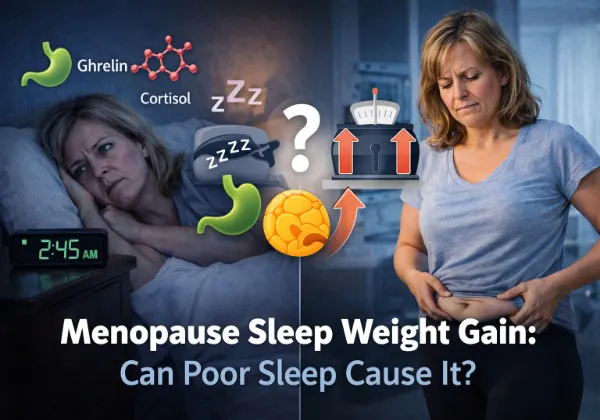
If you are waking up at 3:00 AM drenched in sweat, feeling uncharacteristic bursts of midlife frustration, and watching the scale creep upward despite no change in your diet, you are experiencing the trifecta of hormonal transition: menopause sleep weight gain.
During perimenopause and menopause, declining estrogen and fluctuating progesterone do not merely stop your menstrual cycle; they directly alter your central nervous system, disrupt metabolic signaling, and break down your body’s internal temperature regulator.
How Menopause Drives Sleep Loss, Mood Shifts, and Weight Gain
-
1
Estrogen Loss Alters Fat Storage: Dropping estrogen shifts fat deposition from hips and thighs directly to the deep visceral layer of the abdomen.
-
2
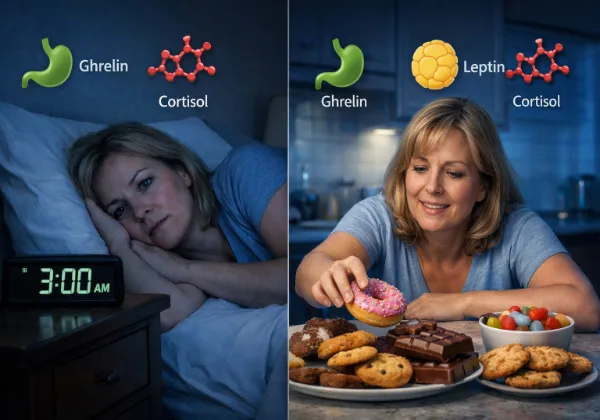
Sleep Fragmentation Spikes Appetite: Night sweats cause micro-awakenings, elevating ghrelin (hunger hormone) and lowering leptin (fullness hormone).
-
3
Cortisol & “Menopause Rage”: Chronic sleep loss raises cortisol, triggering emotional volatility, muscle breakdown, and insulin resistance that stalls fat loss.
Unpacking Rage, Sleeplessness, and Weight Gain in Menopause
To understand why rage, sleeplessness, and weight gain in menopause hit all at once, imagine your endocrine system as a home’s central climate control system. For decades, estrogen acted as a stable, high-precision thermostat. When estrogen levels drop erratically during midlife, the thermostat fails.
The brain’s hypothalamus—which controls both temperature regulation and mood stability—begins misfiring. A sudden, minor shift in body temperature triggers a massive heat-dissipation response: vasodilation, a pounding heart, and profuse sweating.
This sudden nocturnal heat surge rips you out of deep restorative sleep. When sleep is broken night after night, the brain loses its ability to regulate emotional responses and metabolic functions the following day.
The Triad Trifecta Metabolic Mechanism
The Biological Cascade: From Broken Sleep to Visceral Fat
When midlife sleep loss becomes chronic, two critical metabolic hormones switch sides:
- Ghrelin elevates: This hormone signals hunger, driving cravings for quick-energy simple carbohydrates.
- Leptin plunges: This hormone signals satiety. Low leptin leaves you feeling perpetually unsatisfied after meals.
Simultaneously, the baseline lack of deep REM rest causes your adrenal glands to flood the bloodstream with cortisol. Elevated cortisol instructs the body to preserve energy and store fat in the safest, most accessible location: around your internal organs.
If you are trying to shed midlife pounds without addressing the root metabolic slowdown, explore targeted strategies to melt fat fast for women over 40.
Hormones vs. Sleep Loss vs. Aging: The Comparative Breakdown
It is easy to blame middle age for a slowing metabolism, but the specific shift in body composition during menopause is driven by unique biological mechanisms.
| Health Metric | Age-Related Changes | Hormonal Menopause Changes | Sleep-Deprivation Impact |
|---|---|---|---|
| Primary Fat Location | Subcutaneous (Under skin) | Visceral (Abdominal/Deep organ) | Abdominal trunk deposition |
| Metabolic Driver | Sarcopenia (Muscle loss) | Rapid estrogen decline | Elevated baseline cortisol & ghrelin |
| Appetite Impact | Mild appetite decrease | Altered satiety signaling | Intense glucose/carbohydrate cravings |
| Emotional Trigger | General cognitive aging | Hypothalamic mood dysregulation | Low frustration threshold / Impulsivity |
| Primary Intervention | Progressive resistance training | Targeted endocrine/nutrient support | Sleep hygiene & cooling protocols |
Dr. Preet Pal’s Clinical Perspective
*”In my practice, patients frequently assume their sudden weight gain and emotional volatility are personal discipline failures. They aren’t. When vasomotor symptoms interrupt your sleep architecture four to six times a night, your body enters a physiological state of survival.
You cannot diet away the visceral fat triggered by sleep-deprivation-induced cortisol surges. Healing requires addressing nocturnal temperature spikes and stabilizing the neurochemical pathways that regulate both mood and fat metabolism simultaneously.”*
Breaking the Cycle: Targeted Strategies for Menopausal Wellness
To reclaim your sleep, restore emotional calm, and manage your waistline, you must adopt a multi-pronged approach targeting metabolic stability and circadian alignment.
1. Optimize Dietary Choices for Hormonal Balance
What you eat directly impacts your body’s inflammatory state and blood sugar control. Focus on nutrient-dense whole foods that support metabolic function.
Integrating specific nutrients into your daily routine can help balance blood glucose levels. For actionable nutritional steps, review this guide on 10 foods that help burn belly fat after 40.
2. Strategic Meal Timing
Eating late at night forces your digestive system to work during your body’s natural resting phase, raising core body temperature and exacerbating night sweats.
Aligning your eating window with your natural circadian rhythm prevents night-time glucose spikes. To master this routine, implement structured menopause meal timing principles.
3. Cool-Down Sleep Protocols
Keep your bedroom temperature between 60°F and 67°F. Use moisture-wicking bamboo sheets and eliminate blue light exposure at least two hours before bed to protect natural melatonin production.
Educational Product Overview: Targeted Support with MenoSoothe
While lifestyle modifications form the foundation of midlife health, targeted nutritional support can accelerate relief by helping manage physical symptoms and metabolic changes simultaneously.
Product Focus: MenoSoothe
Why MenoSoothe Fits Midlife Health Needs
MenoSoothe is formulated to help address midlife body changes from two clinical angles:
- Simultaneous Symptom Control: Rather than addressing night sweats and metabolic sluggishness separately, MenoSoothe features natural botanical compounds and targeted micronutrients designed to calm vasomotor spikes while supporting normal fat oxidation.
- Cortisol and Thermoregulation Support: By helping maintain stable core body temperature during sleep, MenoSoothe minimizes micro-awakenings. Less broken sleep helps keep nighttime stress hormones lower, helping prevent the metabolic cues that tell your body to store abdominal fat.
When paired with proper meal timing and strength training, incorporating an targeted formula like MenoSoothe provides consistent, non-habit-forming support for women looking to regain control over their sleep, mood, and body composition.
Reclaiming Your Midlife Health
Experiencing menopause sleep weight gain can feel overwhelming, but these physiological shifts respond well to targeted adjustments. By cooling your sleep environment, aligning your meal timing, supporting your body with targeted nutrients, and lowering daily cortisol, you can restore restful sleep and regain your energy.
Why Menopause Makes This Worse
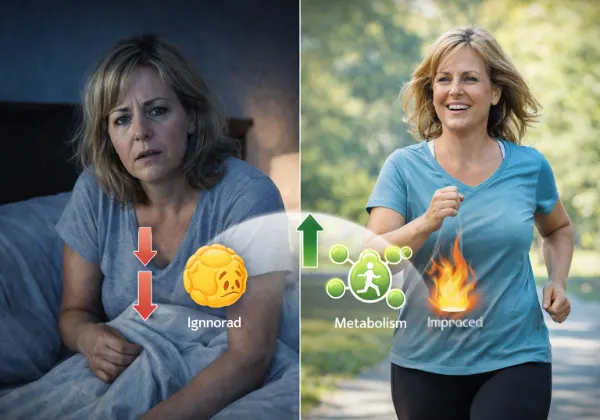
Menopause amplifies the sleep-weight connection.
Here’s why:
- Hormonal changes already slow metabolism
- Muscle mass naturally declines with age
- Fat distribution shifts toward the abdomen
Add poor sleep to this mix, and your body enters a perfect storm for weight gain.
Hormonal changes don’t just affect sleep—they also influence what you eat, which is why avoiding these 10 Shocking Forbidden Foods to Avoid Menopause Weight Gain becomes even more important during menopause.
How to Improve Sleep During Menopause (and Support Weight Loss)
Here’s the good news: small, consistent changes can improve sleep—and help manage menopause weight gain.
1. Stick to a Consistent Sleep Schedule
Go to bed and wake up at the same time every day—even on weekends.
This helps regulate your internal clock and improves sleep quality.
2. Create a Cool Sleep Environment
Hot flashes love warm rooms.
Keep your bedroom:
- Cool (around 65°F / 18°C)
- Dark
- Quiet

Use breathable fabrics and consider a cooling pillow or mattress topper.
3. Limit Caffeine and Alcohol
- Avoid caffeine after 2 PM
- Limit alcohol—it may make you sleepy, but it disrupts deep sleep
4. Eat Smart in the Evening
Heavy meals late at night can interfere with sleep.
Instead:
- Eat a light, balanced dinner
- Include protein and healthy fats
- Avoid sugary snacks before bed
5. Manage Stress (Lower Cortisol)
Stress and sleep go hand in hand.
Try:
- Deep breathing
- Meditation
- Gentle yoga
- Evening walks
Even 10 minutes can make a difference.
6. Get Morning Sunlight
Exposure to natural light early in the day helps regulate your circadian rhythm.
Aim for 10–20 minutes of sunlight in the morning.
7. Move Your Body Daily
Regular exercise improves both sleep and weight management.
Best options:
- Walking
- Strength training
- Light cardio
Just avoid intense workouts right before bedtime.
Frequently Asked Questions
Can poor sleep really cause menopause weight gain?
Yes, poor sleep can directly contribute to menopause weight gain. In fact, the connection behind Menopause Sleep Weight Gain: Can Poor Sleep Cause It? lies in hormonal imbalance. Lack of sleep increases hunger hormones like ghrelin, reduces fullness signals like leptin, and raises cortisol, which promotes belly fat storage. Over time, this leads to increased cravings, overeating, and weight gain.
Why does menopause make sleep problems worse?
Menopause disrupts sleep mainly due to declining estrogen and progesterone levels. These hormonal changes trigger hot flashes, night sweats, and mood shifts, all of which interfere with restful sleep. This is a key factor behind Menopause Sleep Weight Gain: Can Poor Sleep Cause It?, as poor sleep then impacts metabolism and appetite.
How many hours of sleep do women need during menopause to avoid weight gain?
Most women need 7–9 hours of quality sleep per night to support hormone balance and weight control. Consistently sleeping less than this can worsen the cycle described in Menopause Sleep Weight Gain: Can Poor Sleep Cause It?, increasing cravings, slowing metabolism, and promoting fat storage.
Does lack of sleep increase belly fat during menopause?
Yes, sleep deprivation raises cortisol levels, which encourages fat storage—especially around the abdomen. This explains why many women notice stubborn belly fat as part of Menopause Sleep Weight Gain: Can Poor Sleep Cause It?, even without major changes in diet or exercise.
What is the best way to improve sleep and reduce menopause weight gain?
The best approach combines lifestyle habits like maintaining a consistent sleep schedule, reducing caffeine, managing stress, and creating a cool sleep environment. Improving sleep quality can break the cycle highlighted in Menopause Sleep Weight Gain: Can Poor Sleep Cause It? by balancing hormones, reducing cravings, and supporting healthy weight management.
The Bottom Line
So, can poor sleep cause menopause weight gain?
Absolutely.
Sleep affects your hormones, metabolism, appetite, and behavior—all key factors in weight management during menopause.
If you’ve been focusing only on food and exercise, it may be time to shift your attention to your sleep habits.
Because sometimes, the most powerful weight-loss tool isn’t in your kitchen or gym…
It’s in your bedroom.
Verified Medical Sources
- National Institute on Aging (NIA / NIH): Sleep Disturbances and Menopause: What the Science Says. https://www.nia.nih.gov/health/menopause/sleep-problems-and-menopause
- Mayo Clinic: Menopause Weight Gain: Stop Midsection Weight Growth. https://www.mayoclinic.org/healthy-lifestyle/womens-health/in-depth/menopause-weight-gain/art-20046058
- Endocrine Society: Metabolic Changes and Visceral Fat Redistribution During the Menopause Transition. https://www.endocrine.org/patient-engagement/menopause
- CDC Healthy Weight: The Impact of Sleep Duration and Quality on Ghrelin, Leptin, and Insulin Resistance. https://www.cdc.gov/sleep/about_sleep/sleep_hygiene.html
Author Bio
Written by Emily Carter, Menopause Health Researcher & Women’s Wellness Writer.
She specializes in menopause-related weight gain, hormonal changes, and natural strategies for women over 40.
Health Disclaimer
This content is for informational purposes only and is not intended to diagnose, treat, or cure any disease. Always consult your healthcare provider before making changes to your diet or health routine. This article may include affiliate links, which come at no extra cost to you.