

Menopause Sleep Weight gain brings a lot of changes. Some are expected. Others feel like your body suddenly switched rules overnight. One of the most frustrating? Weight gain that seems to appear out of nowhere—especially around the belly.
At the same time, sleep often gets worse. You wake up at 2 a.m. for no reason. Or hot flashes turn your bed into a sauna. Naturally, many women ask: can poor sleep actually cause menopause weight gain?
Short answer: yes, it can.
But the real story is more interesting—and more fixable—than you might think.
Let’s break it down in a clear, science-backed way.
Why Sleep Changes During MenopauseBefore we connect sleep and weight, we need to understand what menopause does to your sleep.
Hormones drive the entire process. Estrogen and progesterone levels drop during menopause. These hormones don’t just affect reproduction—they also regulate sleep.
Here’s what happens:
- Hot flashes and night sweats interrupt deep sleep
- Lower progesterone reduces your natural “sleepiness” hormone
- Mood changes and anxiety make it harder to fall asleep
- Frequent waking becomes common
This means your sleep quality drops—even if you spend enough time in bed.
And that’s where the weight gain connection begins.
Table of Contents
The Science Behind Menopause Sleep Weight Gain
Sleep isn’t just rest. It controls key systems in your body—especially metabolism.
When sleep suffers, your body reacts fast.
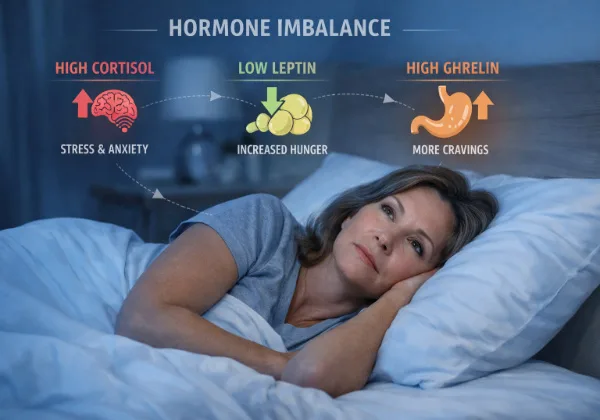
1. Hunger Hormones Go Out of Balance
Poor sleep affects two critical hormones:
- Ghrelin (makes you hungry) goes up
- Leptin (makes you feel full) goes down
That means your body pushes you to eat more—even when you don’t need extra calories.
You might notice:
- Stronger cravings for sugar
- Late-night snacking
- Bigger portion sizes
This isn’t about willpower. It’s biology.
2. Your Body Stores More Fat
Lack of sleep increases cortisol, your stress hormone.
High cortisol levels:
- Encourage fat storage (especially belly fat)
- Slow down fat burning
- Increase insulin resistance
During menopause, your body already shifts toward storing more abdominal fat. Poor sleep makes this effect stronger.
3. Energy Levels Drop (and So Does Activity)
When you don’t sleep well, you feel it the next day.
- You move less
- You skip workouts
- You sit more
Even small drops in daily activity can lead to weight gain over time.
Think about it: skipping one walk won’t matter. But skipping 4–5 times a week adds up fast.
4. Your Metabolism Slows Down
Sleep deprivation reduces how efficiently your body uses energy.
This means:
- Fewer calories burned at rest
- Slower digestion
- Reduced muscle recovery
Combine that with hormonal changes in menopause, and your metabolism takes a noticeable hit.
Is Menopause Weight Gain Only About Sleep?
No—and this is important.
Menopause weight gain happens due to multiple factors:
- Hormonal shifts
- Age-related muscle loss
- Lifestyle changes
- Stress
But poor sleep acts like an amplifier.
If your sleep is bad, every other factor becomes harder to manage.
So while sleep isn’t the only cause, improving it can make a big difference.
For a more detailed explanation of how hormones and sleep interact, check out our full article on Menopause Sleep Weight Gain: Can Poor Sleep Cause It?
Signs Your Sleep Is Affecting Your Weight
Not sure if your sleep is the problem?
Here are some clear signs:
- You feel hungry late at night
- You crave carbs or sugary foods daily
- You feel tired even after 7–8 hours in bed
- Your weight increases despite no major diet change
- You struggle with belly fat more than before
If you nodded at two or more of these, your sleep may be playing a major role.
The Hidden Connection: Sleep, Insulin, and Belly Fat
Let’s go one level deeper.
Poor sleep affects insulin sensitivity. This controls how your body handles sugar.
When insulin doesn’t work properly:
- Your body stores more fat
- Blood sugar levels fluctuate
- Energy crashes become frequent
This leads to a cycle:
- Poor sleep
- Higher blood sugar swings
- More cravings
- Increased fat storage
And yes—this often shows up around the abdomen.
That’s why menopause sleep weight gain often feels stubborn and hard to lose.

Can Better Sleep Actually Help You Lose Weight?
Yes—and this is the good news.
Improving sleep can:
- Reduce cravings
- Balance hunger hormones
- Lower cortisol
- Improve metabolism
- Increase energy for daily movement
In simple terms, better sleep makes weight loss easier without extreme dieting.
Think of sleep as your “invisible fat-loss tool.”
Practical Ways to Improve Sleep During Menopause
You don’t need a complicated routine. Small, consistent changes work best.1. Create a Cool Sleep Environment
Hot flashes are a major disruptor.
Try this:
- Keep your bedroom slightly cool
- Use breathable cotton sheets
- Avoid heavy blankets
Even a small temperature change can improve sleep quality.
2. Fix Your Sleep Schedule
Go to bed and wake up at the same time daily.
Yes, even on weekends.
This trains your internal clock and improves deep sleep.
3. Limit Late-Night Eating
Eating too close to bedtime can:
- Raise body temperature
- Disrupt digestion
- Affect hormone balance
Try to finish meals at least 2–3 hours before bed.
4. Reduce Screen Time Before Bed
Blue light from phones and laptops blocks melatonin.
Melatonin is your sleep hormone.
Simple fix:
- Turn off screens 30–60 minutes before bed
- Use dim lighting in the evening
5. Manage Stress (Without Overthinking It)
Stress and sleep are closely linked.
You don’t need a complicated routine.
Start with:
- Deep breathing (5 minutes)
- Light stretching
- Quiet reading
Consistency matters more than perfection.
6. Stay Active During the Day
Regular movement improves sleep quality.
You don’t need intense workouts.
Even this helps:
- Walking 20–30 minutes daily
- Light strength training
- Gentle yoga
Better sleep often follows better movement.
What About Diet and Menopause Sleep Weight Gain?
Sleep and diet work together.
If you want better results, support your sleep with smart food choices.
Helpful habits:
- Eat protein with every meal
- Include fiber-rich foods (vegetables, whole grains)
- Stay hydrated
Foods that may help sleep:
- Almonds
- Walnuts
- Chamomile tea
- Foods rich in magnesium
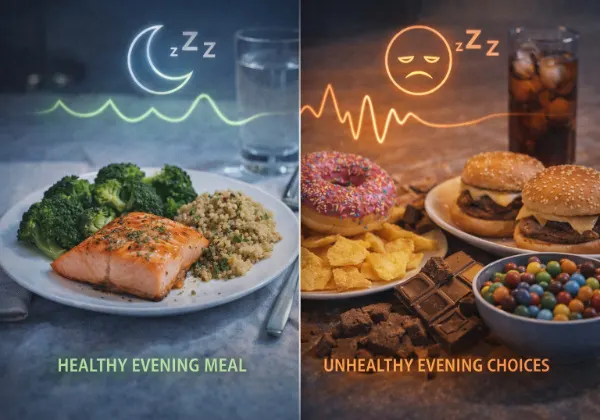
Foods to limit at night:
- Caffeine
- Alcohol
- Sugary snacks
These can disrupt sleep cycles and worsen weight gain.
Common Mistakes That Make It Worse
Let’s clear up a few things that often backfire.
1. Cutting Calories Too Much
This increases stress hormones and worsens sleep.
Result? More weight gain—not less.
2. Over-Exercising Late at Night
Intense workouts before bed can keep your body alert.
Morning or early evening works better.
3. Ignoring Sleep Completely
Many people focus only on diet and exercise.
But without good sleep, results stay limited.
When Should You Seek Help?
Sometimes lifestyle changes aren’t enough.
Talk to a healthcare professional if:
- Sleep problems persist for weeks
- Night sweats feel severe
- Fatigue affects daily life
- Weight gain feels sudden and extreme
There may be underlying issues like sleep disorders or hormonal imbalances that need attention.
Frequently Asked Questions
Can poor sleep really cause menopause weight gain?
Yes, poor sleep can directly contribute to menopause sleep weight gain. When sleep quality drops, hunger hormones like ghrelin increase while leptin decreases, making you feel hungrier. At the same time, poor sleep raises cortisol levels, which encourages fat storage—especially around the abdomen. This combination makes menopause sleep weight gain more likely even without major diet changes.
Why does menopause sleep weight gain mostly affect belly fat?
Menopause sleep weight gain often shows up as belly fat because hormonal changes and poor sleep both increase cortisol. High cortisol signals your body to store fat around the midsection. In addition, reduced estrogen during menopause shifts fat distribution toward the abdomen, making menopause sleep weight gain more visible in that area.
How can I stop menopause sleep weight gain naturally?
To reduce menopause sleep weight gain, focus on improving sleep quality first. Maintain a consistent sleep schedule, keep your bedroom cool, and avoid screens before bed. Combine this with regular physical activity and balanced meals rich in protein and fiber. Better sleep helps regulate hormones, reduce cravings, and support healthy weight management during menopause.
Does improving sleep help reverse menopause weight gain?
Yes, better sleep can support weight loss during menopause. It helps balance hormones, reduce cravings, and improve energy for daily activity. Shocking Menopause Sleep Weight Gain: Real Science + Fixes shows that improving sleep can make weight management easier without extreme dieting.
How many hours of sleep are needed to prevent menopause weight gain?
Most experts recommend 7–9 hours of quality sleep to manage menopause sleep weight gain effectively. However, quality matters more than just hours. Deep, uninterrupted sleep supports hormone balance, reduces stress, and helps control appetite. Poor-quality sleep, even for 8 hours, can still contribute to menopause sleep weight gain.
Final Thoughts
So, can poor sleep cause menopause weight gain?
Absolutely.
It affects your hunger, metabolism, stress levels, and energy—all at once.
But here’s the key takeaway:
You don’t need extreme solutions. You need consistent ones.
Improving your sleep—even slightly—can create a ripple effect:
- Better energy
- Fewer cravings
- Improved metabolism
- More stable weight
Menopause changes your body, but it doesn’t take away your control.
Start with sleep. The rest often follows.
Sources
- National Institute on Aging – Sleep and Aging
- Harvard Health Publishing – Sleep and Weight Gain
- Mayo Clinic – Menopause Symptoms and Sleep Problems
- Sleep Foundation – Hormones and Sleep
- National Sleep Foundation – Sleep and Metabolism
Author Bio
Written by Emily Carter, Menopause Health Researcher & Women’s Wellness Writer.
She specializes in menopause-related weight gain, hormonal changes, and natural strategies for women over 40.
Health Disclaimer
This content is for informational purposes only and is not intended to diagnose, treat, or cure any disease. Always consult your healthcare provider before making changes to your diet or health routine. This article may include affiliate links, which come at no extra cost to you.