
Dr. Preet Pal SB, MD
Physician specializing in diabetes, metabolic health, and joint care management. Read More About Dr. Preet Pal’s Medical Credentials & Editorial Integrity Here
If your waistline suddenly feels like it belongs to someone else, you are not imagining things. As estrogen levels drop during perimenopause and menopause, your body shifts its primary storage zone for fat from your hips and thighs straight to your abdomen.
Targeting this shift requires choosing specific foods for menopause belly fat that stabilize blood sugar, calm systemic inflammation, and rebuild metabolic rate.
Quick Action Plan: The Best Foods for Menopause Belly Fat
1. Prioritize Visceral Fat Targeters (Fatty Fish & Green Tea)
Aim for 2-3 servings of omega-3s weekly.
Fatty fish (salmon, sardines) and green tea provide EGCG and EPA/DHA. These compounds increase insulin sensitivity, encouraging your body to burn deep abdominal storage rather than hold onto it.
2. Build Muscle Mass with Phytoestrogens & Protein
Consume 25-30g protein per main meal.
Greek yogurt, organic tofu, and tempeh deliver high-quality amino acids alongside plant-based phytoestrogens. This pair helps offset muscle loss while gently modulating estrogen receptor sites.
3. Blunt Cortisol Spikes with Soluble Fiber
Incorporate 30+ grams of fiber daily.
Lentils, chia seeds, and berries slow down carbohydrate absorption. Preventing blood sugar spikes stops your adrenal glands from pumping out surplus cortisol—the main hormone responsible for stress-induced belly storage.
Why Menopausal Weight Shift Happens (And How Your Gut Reacts)
When your ovaries scale back estrogen production, your body looks for alternative ways to produce and store the hormone. Fat tissue—specifically visceral fat surrounding your internal organs—contains an enzyme called aromatase, which converts androgens into estrogen.
Think of your midsection during menopause like a home central heating system whose primary thermostat has failed. To prevent freezing, the house automatically turns on space heaters in every room.
Your body treats abdominal fat accumulation as a emergency backup heating system, intentionally building visceral fat stores to make up for falling ovarian estrogen.
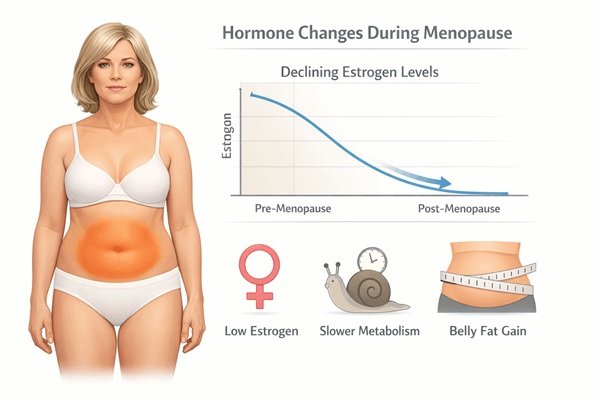
At the same time, declining estrogen directly affects your gut microbiome and digestion. Estrogen helps maintain the tight junctions of your intestinal lining and keeps gut flora balanced.
When levels drop, the intestinal barrier weakens, leading to minor endotoxemia, systemic inflammation, and persistent bloating. Understanding these underlying menopause hormone changes and signs helps you choose foods that treat the biological root cause rather than relying on restrictive caloric deprivation.
Dr. Preet Pal’s Clinical Perspective
“In my clinical practice, the biggest mistake I see women make post-40 is cutting calories drastically. When estrogen drops, your body interprets aggressive caloric restriction as a emergency starvation event, raising cortisol levels and accelerating muscle loss. We do not need fewer calories; we need nutrient-dense signaling foods that reset metabolic sensitivity and repair gut barrier integrity.”
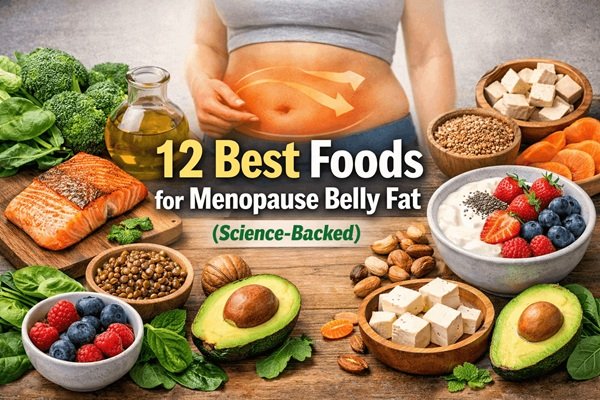
The 12 Best Foods for Menopause Belly Fat
Integrating the best foods for menopause belly requires a dual focus: feeding lean muscle mass and nourishing beneficial gut bacteria to clear metabolic waste.
1. Wild-Caught Salmon & Sardines
Fatty fish are rich in long-chain omega-3 fatty acids (EPA and DHA). These fats act as biological lubricants for rigid, inflamed cell membranes, allowing insulin to move glucose into cells efficiently instead of storing it as midsection fat.
2. Plain Greek Yogurt & Kefir
Fermented dairy packs high concentrations of leucine—an amino acid required to trigger muscle protein synthesis—alongside live active cultures. Rebuilding microflora helps alleviate chronic bloat and supports smoother daily transit.
3. Wild Berries (Blueberries, Blackberries, Raspberries)
Packed with polyphenols and soluble pectin fiber, berries satisfy sweet cravings without sending blood glucose on a roller coaster. Their anthocyanins help downregulate fat-storage genes in visceral tissue.
4. Lentils and Black Beans
Legumes provide a unique double-layer of slow-burning complex carbs and fermentable resistant starch. Resistant starch passes into the colon intact, where gut microbes convert it into short-chain fatty acids like butyrate, which directly improves metabolic speed.
5. Edamame, Tofu, and Tempeh
Minimal processed soy products contain isoflavones (daidzein and genistein). These plant compounds bind weakly to beta-estrogen receptors, helping cushion sudden hormonal drops and reducing central fat deposition.
6. Avocados
High in monounsaturated oleic acid and potassium, avocados help counter fluid retention caused by fluctuating progesterone levels. Their dense fat profile signals satiety centers in the brain, turning off late-night snacking signals.
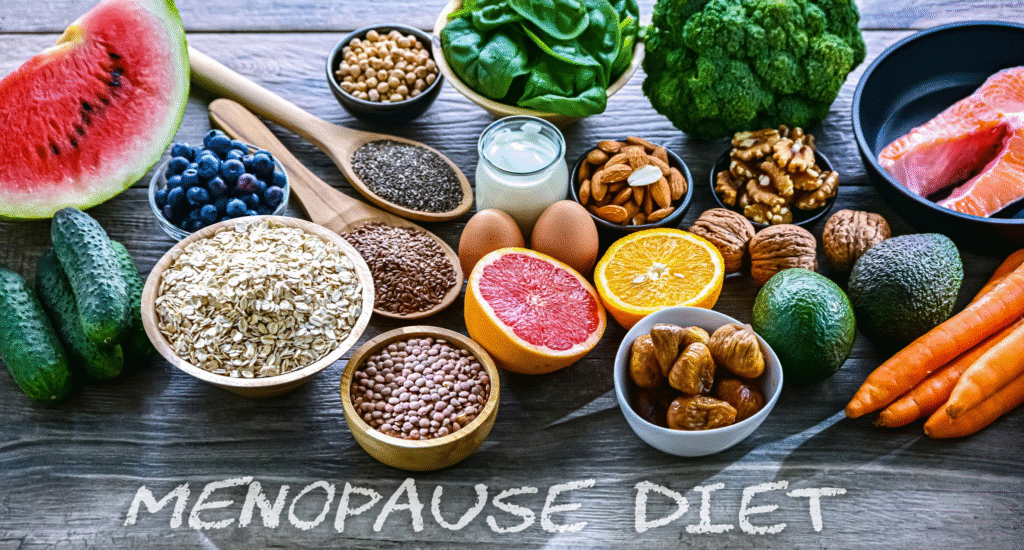
7. Leafy Greens (Spinach, Swiss Chard, Kale)
Leafy greens are packed with magnesium, a mineral rapidly depleted by hot flashes and poor sleep. Magnesium regulates the body’s stress-response system, keeping cortisol low so your body feels safe releasing stubborn abdominal weight.
8. Chia and Flaxseeds
Flaxseeds are the richest dietary source of lignans—phytoestrogens that help balance circulating hormone metabolites. When ground, chia and flax form a mucilaginous gel in the digestive tract that traps excess circulating cholesterol and conjugated estrogens for elimination.
9. Cruciferous Vegetables (Broccoli, Brussels Sprouts)
Broccoli and its relatives contain Indole-3-Carbinol (I3C), which converts in the stomach to DIM (diindolylmethane). DIM helps your liver process estrogens through safe pathways, curbing excess bloating and fluid buildup.
10. Extra Virgin Olive Oil
Rich in oleocanthal, a natural compound with anti-inflammatory activity similar to low-dose ibuprofen, raw olive oil lowers systemic vascular inflammation. Lower inflammation translates directly to reduced water retention and improved cellular metabolism.
11. Steel-Cut Oats & Quinoa
Whole, unrefined grains digest slowly, providing a steady supply of energy that prevents afternoon cortisol spikes. If you notice accompanying physical changes like unexplainable fatigue, skin shifts, or stubborn weight gain, review these hormonal weight gain symptoms women face to tailor your daily grain and protein ratios accurately.
12. Ceremonial Matcha & Green Tea
Green tea provides epigallocatechin gallate (EGCG), a catecholamine booster that encourages lipolysis (the breakdown of stored fat). Drinking 2 to 3 cups daily helps turn on body heat generation, encouraging your cells to burn energy even at rest.
Nutritional Blueprint: Menopause Superfoods Comparison
To build effective daily meal plans, use this functional breakdown comparing key food groups and their targeted physiological benefits:
| Food Category | Primary Active Nutrients | Targeted Menopause Benefit | Recommended Daily Serving |
|---|---|---|---|
| Fatty Fish | EPA/DHA Omega-3s, Vitamin D3 | Downregulates visceral inflammation & improves insulin response | 4–6 oz (3x per week) |
| Fermented Dairy | Probiotic Cultures, Leucine, Calcium | Preserves lean skeletal muscle mass & repairs gut lining | 3/4 Cup to 1 Cup |
| Legumes & Pulses | Resistant Starch, Soluble Fiber | Produces short-chain fatty acids (SCFA) to reduce bloat | 1/2 Cup cooked |
| Phytoestrogenic Soy | Soy Isoflavones, Plant Protein | Modulates estrogen receptors & protects bone density | 1/2 Cup tofu/edamame |
| Cruciferous Veggies | Indole-3-Carbinol, DIM, Folate | Supports liver clearance of excess hormone metabolites | 1.5 to 2 Cups raw/steamed |
Foods That Accelerate Menopause Midsection Weight Gain
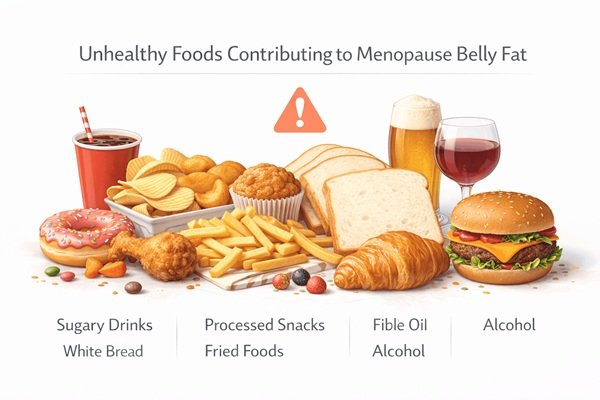
Just as certain foods calm hormone-driven storage, others act as accelerants:
- Refined Sugars & Bakery Flour: Causes high blood sugar spikes that trigger rapid insulin surges, locking fat inside visceral cells.
- Alcohol: The liver prioritizes processing alcohol over clearing excess estrogen and breaking down fats, leading to increased abdominal storage.
- Artificial Sweeteners: Can disrupt gut bacteria diversity, increasing gas production and triggering chronic low-grade gut inflammation.
- High-Sodium Processed Snacks: Worsens fluid retention caused by low progesterone levels.
If you struggle with chronic digestive distress alongside midsection weight gain, exploring targeted solutions for menopause digestion issues can help resolve underlying gastrointestinal triggers.
Targeted Gut Health Strategy: Restoring Microbial Balance
Even a diet packed with whole foods can fall short if your digestive tract cannot break down and absorb those nutrients efficiently.
As estrogen drops, the gut barrier thins, leading to lower populations of beneficial Bifidobacteria and Lactobacilli. This shift often shows up as persistent bloating, sluggish digestion, and a waistline that expands as the day goes on—even when keeping calories low.
To counter this internal shift, targeted probiotic supplementation can help rebuild gut barrier integrity.
- Product Spotlight: PrimeBiome
- Clinical Mechanism: Formulated specifically to restock beneficial bacterial strains that support gut wall lining and improve nutrient breakdown.
- Dr. Pal’s Clinical Angle: “When digestive transit slows during menopause, fermenting food creates internal gas pressure that mimics abdominal fat gain. Re-establishing dominant beneficial bacterial colonies with targeted probiotic strains helps reduce internal swelling, calm tissue inflammation, and keep your midsection comfortable throughout the day.”
Frequently Asked Questions
What are the best foods for menopause belly fat?
The best foods for menopause belly fat include nutrient-dense options that support metabolism and hormone balance. Fatty fish, leafy greens, berries, beans, Greek yogurt, and whole grains help control hunger and reduce inflammation. These foods provide fiber, protein, and healthy fats that help manage weight and support overall health during menopause.
Can certain foods really help reduce menopause belly fat?
Yes. Some foods for menopause belly fat can support weight management by improving metabolism, stabilizing blood sugar, and reducing inflammation. High-fiber foods like vegetables, legumes, and whole grains help you feel full longer, while protein-rich foods such as Greek yogurt and fish help maintain muscle mass, which is important for burning calories.
What foods should I avoid if I want to reduce menopause belly fat?
If you want to reduce menopause belly fat, limit foods that increase blood sugar spikes and fat storage. These include sugary drinks, refined carbohydrates, ultra-processed snacks, and excessive alcohol. Instead, focus on whole foods for menopause belly fat such as vegetables, lean proteins, healthy fats, and fiber-rich grains.
How long does it take for foods for menopause belly fat to show results?
Results vary depending on lifestyle, activity level, and overall diet. However, consistently eating healthy foods for menopause belly fat and staying active can support gradual fat loss over several weeks or months. Sustainable habits, including balanced meals and regular exercise, usually produce better long-term results than quick diets.
Do high-protein foods help with menopause belly fat?
Yes, high-protein options are some of the most effective foods for menopause belly fat. Protein helps maintain muscle mass, which naturally declines with age and menopause. Foods like Greek yogurt, fish, eggs, tofu, and legumes also increase fullness and help prevent overeating, which supports healthy weight management.
Final Thoughts
Menopause belly fat can feel frustrating, but it does not appear without reason. Hormonal changes, aging metabolism, and lifestyle habits all play a role.
The solution is not extreme dieting.
Instead, focus on whole, nutrient-dense foods that support metabolism and hormone balance.
Adding foods such as fatty fish, leafy greens, beans, berries, soy, and healthy fats can help control appetite, reduce inflammation, and support long-term weight management.
Small daily choices create lasting results.
And remember — menopause is not the end of feeling healthy or confident. It is simply a new stage where your body needs a slightly smarter nutrition strategy.
Verified Medical Sources
Cleveland Clinic Health Essentials: How Hormonal Shifts Affect Your Metabolism and Gut Microflora
National Institute on Aging (NIA / NIH): Clear Information on Menopause Symptoms, Weight, and Hormones
Mayo Clinic: Menopause Weight Gain: Stop Midsection Spread
Endocrine Society Clinical Practice Guidelines: Treatment of Symptoms of the Menopause
Author Bio
Written by Emily Carter, Menopause Health Researcher & Women’s Wellness Writer.
She specializes in menopause-related weight gain, hormonal changes, and natural strategies for women over 40.
Health Disclaimer
This content is for informational purposes only and is not intended to diagnose, treat, or cure any disease. Always consult your healthcare provider before making changes to your diet or health routine. This article may include affiliate links, which come at no extra cost to you.