

Menopause changes your body in ways that can feel frustrating. One day your jeans fit perfectly, and the next, your belly seems to have its own zip code. If that sounds familiar, you’re not alone.
The good news? You don’t need extreme diets or exhausting workouts to regain control. A simple, consistent habit walking 30 minutes daily can make a real difference.
Let’s break down the science, the logic, and the practical steps behind walking menopause weight loss so you can use it effectively.
Table of Contents
Why Weight Gain Happens During Menopause
Before jumping into solutions, it helps to understand the problem.
During menopause, your body goes through hormonal shifts, especially a drop in estrogen. This affects how your body stores fat, burns calories, and manages hunger.
Key reasons for weight gain:
- Slower metabolism (you burn fewer calories at rest)
- Increased abdominal fat storage
- Muscle loss (which reduces calorie burn)
- Sleep disturbances (which affect hunger hormones)
According to the National Institute on Aging, women often gain about 5–8 pounds during menopause, mostly around the abdomen.
That’s not just about appearance. Belly fat links to higher risks of heart disease and insulin resistance.
How Walking Helps Menopause Weight Loss
Here’s where walking shines. It may look simple, but it works on multiple levels.

1. Boosts Metabolism Without Stressing Your Body
High-intensity workouts can feel overwhelming during menopause. Walking offers a balanced alternative.
A brisk 30-minute walk can burn:
- 120–200 calories (depending on weight and pace)
More importantly, it keeps your metabolism active without triggering excessive stress hormones like cortisol.
And yes, lower cortisol helps reduce stubborn belly fat and result in walking menopause weight loss
2. Targets Belly Fat (Yes, Really)
Walking may not look intense, but studies show it helps reduce visceral fat—the dangerous fat around your organs.
A study published in the Journal of Obesity found that moderate-intensity walking significantly reduced abdominal fat in postmenopausal women.
That means your daily walk isn’t just exercise—it’s targeted fat management.
3. Improves Insulin Sensitivity
Hormonal changes can make your body less responsive to insulin, which leads to fat storage.
Walking helps your muscles use glucose more efficiently.
Result:
- Lower blood sugar levels
- Reduced fat storage
- Better energy levels
This directly supports walking menopause weight loss.
4. Reduces Cravings and Emotional Eating
Let’s be honest—menopause can bring mood swings, stress, and random cravings (usually at the worst times).
Walking helps regulate:
- Dopamine (feel-good hormone)
- Serotonin (mood stabilizer)
Even a short walk can reduce the urge to stress-eat.
Bonus: walking outside adds a calming effect that no snack can replace.
5. Improves Sleep Quality
Poor sleep is one of the biggest hidden reasons for weight gain.
Walking helps regulate your circadian rhythm. It also reduces anxiety, which makes it easier to fall asleep and result in walking menopause weight loss
Better sleep leads to:
- Balanced hunger hormones (ghrelin and leptin)
- Reduced late-night snacking
- More energy for daily activity
Why 30 Minutes Is the Sweet Spot
You might wonder—why exactly 30 minutes?
Because it’s:
- Long enough to activate fat-burning
- Short enough to stay consistent
- Easy to fit into daily life
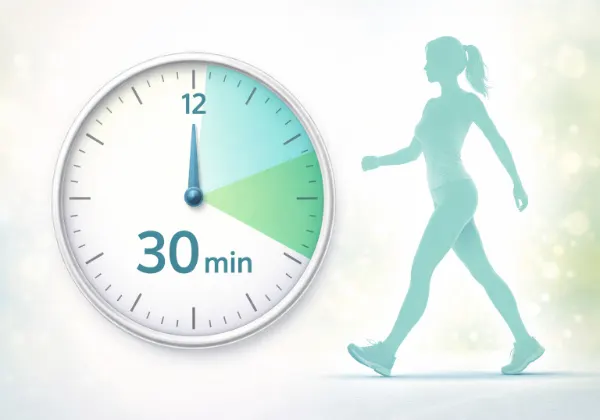
The Centers for Disease Control and Prevention (CDC) recommends at least 150 minutes of moderate activity per week. That breaks down to just 30 minutes a day, five days a week.
Consistency beats intensity every time.
How to Walk for Maximum Results
Not all walking is equal. Let’s make yours effective.
1. Walk at a Brisk Pace
You should:
- Breathe faster
- Still be able to talk (but not sing)
Aim for about 3–4 mph.
2. Use the “Talk Test”
If you can easily hold a full conversation, speed up.
If you can’t speak at all, slow down.
Simple and effective.
3. Add Small Intensity Boosts
To improve results:
- Walk uphill or use stairs
- Add short bursts of faster walking (intervals)
- Swing your arms naturally
These small tweaks increase calorie burn without turning your walk into a workout nightmare.
4. Stay Consistent (This Is the Real Secret)
Walking once a week won’t help much. Walking daily? That’s where the magic happens and result in walking menopause weight loss
Consistency builds:
- Better metabolism
- Fat-burning efficiency
- Long-term habits
What Results Can You Expect?
Let’s keep it real. Walking is powerful, but it’s not magic overnight.
In 2–3 weeks:
- Improved energy
- Better mood
- Slight reduction in bloating
In 4–6 weeks:
- Noticeable fat loss (especially around the belly)
- Better sleep patterns
In 8–12 weeks:
- Sustainable weight loss
- Improved muscle tone
- Stronger stamina
The key is patience. This is not a crash solution—it’s a lasting one.
Common Mistakes That Slow Your Progress
Even simple habits can go wrong. Avoid these:
1. Walking Too Slowly
A casual stroll won’t give the same benefits. You need a moderate pace.
2. Skipping Days Frequently
Consistency matters more than effort. Missing too many days resets your progress.
3. Ignoring Diet Completely
Walking helps, but nutrition still plays a role.
Focus on:
- Protein-rich meals
- Fiber (vegetables, whole grains)
- Healthy fats
No need for extreme diets.
4. Expecting Fast Results
Menopause weight loss takes time. Avoid comparing yourself to younger fitness trends online.
Your body plays by different rules now—and that’s okay.
Ignoring sleep is a major mistake—this guide on Shocking Menopause Sleep Weight Gain: Real Science + Fixes explains why it matters more than you think.
Walking vs Other Exercises: What Works Best?

You might wonder if walking is enough.
Here’s the honest answer:
- Walking = foundation
- Strength training = bonus
- Extreme cardio = optional
Walking works because it’s sustainable. You’re more likely to stick with it long term.
And long-term habits always win.
A Simple Daily Walking Plan
If you’re starting fresh, try this:
Week 1–2
- 20 minutes daily
- Comfortable pace
Week 3–4
- 30 minutes daily
- Slightly faster pace
Week 5+
- 30–40 minutes
- Add intervals or hills
No complicated routines. Just progress step by step.
Real-Life Logic: Why Walking Works Better Than Fancy Plans
Let’s be practical.
A complicated workout plan:
- Feels overwhelming
- Takes too much time
- Often gets abandoned
Walking:
- Requires no equipment
- Fits into your schedule
- Doesn’t feel like punishment
That’s why it works.
The best plan isn’t the hardest one. It’s the one you actually follow.
Frequently Asked Questions
Can walking really help with menopause weight loss?
Yes, walking menopause weight loss is effective because it boosts metabolism, reduces belly fat, and improves hormone balance. A daily 30-minute brisk walk helps burn calories and supports long-term weight management without stressing the body.
How long should I walk daily for menopause weight loss?
For walking menopause weight loss, aim for at least 30 minutes of brisk walking daily. This duration aligns with expert guidelines and helps improve fat burning, especially when done consistently throughout the week.
Is walking enough to lose belly fat during menopause?
Walking menopause weight loss can reduce belly fat, especially when combined with a balanced diet. Regular walking targets visceral fat and improves insulin sensitivity, which plays a key role in fat loss during menopause.
What is the best time to walk for menopause weight loss?
The best time for walking menopause weight loss is whenever you can stay consistent. Morning walks may boost metabolism for the day, while evening walks can reduce stress and improve sleep quality.
How fast should I walk to lose weight during menopause?
For effective walking menopause weight loss, walk at a brisk pace where you can talk but not sing. This moderate intensity helps maximize calorie burn and supports fat loss without overexertion.
Final Thoughts
Menopause doesn’t mean losing control over your body. It just means you need smarter strategies.
Walking menopause weight loss works because it aligns with your body—not against it.
It improves metabolism, reduces belly fat, balances hormones, and supports mental health.
And the best part?
You can start today. No gym. No stress. No confusion.
Just put on your shoes and take that first step.
Sources
- National Institute on Aging – Weight gain and menopause
- Centers for Disease Control and Prevention (CDC) – Physical Activity Guidelines
- Journal of Obesity – Effects of walking on abdominal fat in postmenopausal women
- Harvard Health Publishing – Exercise and weight loss insights
- Mayo Clinic – Menopause weight gain causes and solutions
Author Bio
Jennifer Collins is a wellness researcher and natural health writer focused on adults over 40. With 3+ years of experience in digital health content, Jennifer specializes in making science-backed nutrition and lifestyle strategies easy to follow and apply.
Health Disclaimer
This content is for informational purposes only and is not intended to diagnose, treat, or cure any disease. Always consult your healthcare provider before making changes to your diet or health routine. This article may include affiliate links, which come at no extra cost to you.