
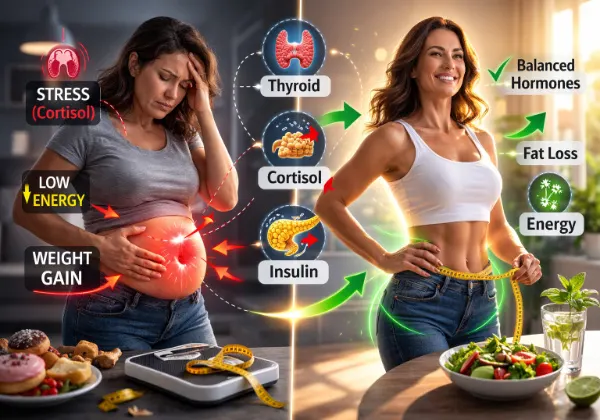
Weight gain doesn’t always come down to calories and exercise. Many women eat well, stay active, and still notice the scale creeping up. That’s frustrating—and confusing.
In many cases, hormones play a major role.
If your body feels like it’s working against you, it might be time to look deeper. This guide breaks down the most common hormonal weight gain symptoms women experience, backed by science and real physiology—not myths.
Let’s get into it.
Table of Contents
Why Hormones Affect Weight So Much
Hormones act like your body’s internal control system. They regulate metabolism, appetite, fat storage, and energy levels.
When they stay balanced, your body works smoothly. When they don’t, things change quickly.
Key hormones linked to weight include:
- Insulin
- Cortisol
- Estrogen
- Progesterone
- Thyroid hormones
A disruption in any of these can trigger hormonal weight gain symptoms women often struggle to understand.
1. You Gain Weight Around Your Belly (Even Without Diet Changes)
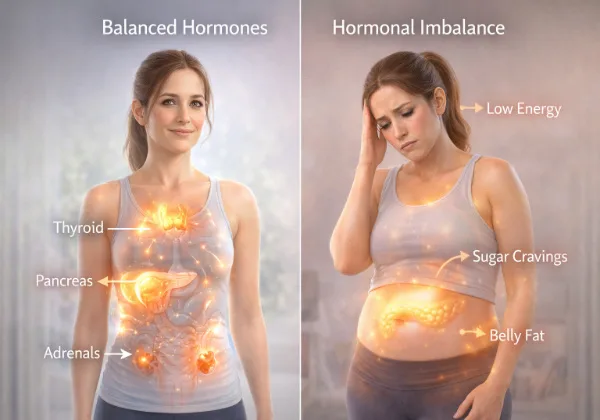
One of the clearest hormonal weight gain symptoms women notice is increased belly fat.
This often links to:
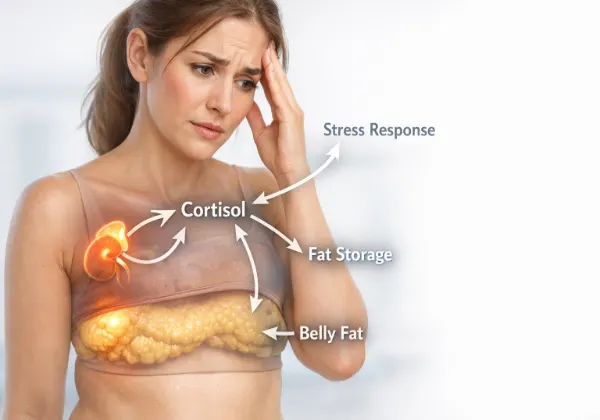
- Higher cortisol (stress hormone)
- Lower estrogen (especially during menopause)
Cortisol pushes your body to store fat in the abdominal area. At the same time, lower estrogen shifts fat distribution toward the belly instead of hips and thighs.
If your waistline expands while your habits stay the same, hormones may be the reason.
2. You Feel Hungry All the Time (Even After Eating)
Constant hunger isn’t always about willpower.
Hormonal imbalance can affect:
- Ghrelin (hunger hormone)
- Leptin (fullness hormone)
When these signals get disrupted, your brain doesn’t receive accurate “I’m full” messages.
This leads to:
- Frequent snacking
- Cravings for sugar or carbs
- Larger portion sizes
Many hormonal weight gain symptoms women include this persistent hunger cycle, especially when sleep or stress levels drop.
3. You Feel Tired No Matter How Much You Sleep
Low energy often signals hormonal imbalance.
Thyroid hormones control your metabolism. When they drop, your body slows down.
You may notice:
- Constant fatigue
- Brain fog
- Low motivation to move
This reduces your daily activity, which can lead to gradual weight gain.
Fatigue is one of the most overlooked hormonal weight gain symptoms women experience.
4. You Gain Weight Despite Exercising Regularly
You follow a routine. You stay consistent. But nothing changes.
This often points to insulin resistance or cortisol imbalance.
Here’s what happens:
- Insulin resistance makes it harder for your body to use glucose
- Excess glucose gets stored as fat
- High cortisol breaks down muscle and slows fat loss
This combination creates stubborn weight gain—even with effort.
Among all hormonal weight gain symptoms women report, this one feels the most discouraging.
5. You Experience Intense Cravings (Especially Sugar)
Cravings are not random. Hormones drive them.
Common causes:
- Blood sugar fluctuations
- Poor sleep
- Stress-related cortisol spikes
When your blood sugar drops quickly, your body demands fast energy—usually sugar or refined carbs.
This cycle repeats and contributes to weight gain over time.
Cravings remain one of the most common hormonal weight gain symptoms women deal with daily.
6. Your Weight Gain Feels Sudden or Unexplained
Slow weight gain happens with lifestyle changes. Sudden weight gain often points to something deeper.
Hormonal causes may include:
- Thyroid dysfunction
- Menopause-related estrogen shifts
- Chronic stress
If your weight increases without major changes in diet or activity, your hormones may be out of balance.
This is one of the more noticeable hormonal weight gain symptoms women shouldn’t ignore.
7. You Notice Mood Swings Along With Weight Gain
Hormones don’t just affect your body—they affect your mind.
Imbalances in estrogen and progesterone can cause:
- Irritability
- Anxiety
- Low mood
These changes often lead to:
- Emotional eating
- Reduced motivation
- Poor sleep
Together, they contribute to weight gain.
Mood shifts paired with physical changes often signal deeper hormonal weight gain symptoms women experience during life transitions like menopause
The Role of Stress in Hormonal Weight Gain
Stress deserves special attention.
When stress stays high, cortisol remains elevated. This leads to:
- Increased appetite
- More belly fat storage
- Poor sleep
Even if your diet stays the same, chronic stress can still lead to weight gain.
This is why stress management plays a key role in reducing hormonal weight gain symptoms women often struggle with.
How Sleep Impacts Hormonal Weight Gain
Sleep affects nearly every hormone in your body.
Poor sleep can:
- Increase hunger hormones
- Reduce insulin sensitivity
- Raise cortisol levels
This creates a perfect environment for weight gain.
Many hormonal weight gain symptoms women worsen simply because sleep quality drops—especially during menopause.
Can You Fix Hormonal Weight Gain Naturally?
Yes—but it requires consistency, not quick fixes.
Your goal is to support hormone balance, not fight your body.
1. Improve Sleep First
Sleep regulates hunger, stress, and metabolism.
Start with:
- A consistent sleep schedule
- A cool, dark bedroom
- Less screen time before bed
Better sleep often reduces multiple hormonal weight gain symptoms women experience.
2. Focus on Balanced Meals
Your meals should stabilize blood sugar.
Include:
- Protein (eggs, chicken, legumes)
- Healthy fats (nuts, seeds)
- Fiber (vegetables, whole grains)
This helps control cravings and supports hormone function.
3. Manage Stress Daily
You don’t need complex routines.
Simple habits work:
- Walking
- Deep breathing
- Quiet time without screens
Lower stress reduces cortisol and helps prevent fat storage.

4. Strength Training Matters
Muscle improves metabolism.
Even light strength training:
- Increases calorie burn
- Improves insulin sensitivity
- Supports hormone balance
It’s one of the most effective ways to reduce hormonal weight gain symptoms women face.
5. Avoid Extreme Dieting
Cutting calories too aggressively backfires.
It increases stress hormones and slows metabolism.
Instead, focus on consistency and sustainable habits.
Chronic stress often pairs with poor sleep, which worsens weight gain—learn more in Shocking Menopause Sleep Weight Gain: Real Science + Fixes.
When Should You Talk to a Doctor?
Lifestyle changes help, but sometimes you need medical support.
Seek help if you notice:
- Rapid or unexplained weight gain
- Severe fatigue
- Irregular periods
- Persistent sleep issues
A doctor can check thyroid levels, insulin resistance, or other hormonal conditions.
Frequently Asked Questions
What are the most common hormonal weight gain symptoms women experience?
The most common hormonal weight gain symptoms women notice include stubborn belly fat, constant fatigue, intense sugar cravings, and weight gain despite regular exercise. Many women also experience mood swings and poor sleep, which further disrupt hormones and make weight management harder.
How do I know if my weight gain is hormonal?
You can identify hormonal weight gain symptoms women by looking for patterns like sudden weight gain without diet changes, increased belly fat, low energy, and frequent cravings. If these symptoms appear together, hormones such as insulin, cortisol, or thyroid hormones may be affecting your weight.
Can hormonal weight gain be reversed naturally?
Yes, many hormonal weight gain symptoms women experience can be improved naturally. Better sleep, balanced meals, regular movement, and stress management help restore hormone balance. While results take time, consistent habits can reduce weight gain and improve overall health.
Why do hormonal weight gain symptoms women worsen during menopause?
Hormonal weight gain symptoms women often worsen during menopause due to a drop in estrogen levels. This shift changes how the body stores fat, especially around the abdomen. At the same time, sleep issues and increased cortisol can further contribute to weight gain.
Which hormones are responsible for weight gain in women?
Several hormones contribute to hormonal weight gain symptoms women, including insulin, cortisol, estrogen, progesterone, and thyroid hormones. When these hormones become imbalanced, they can increase fat storage, boost appetite, and slow metabolism, leading to noticeable weight gain.
Final Thoughts
Weight gain doesn’t always mean you’re doing something wrong.
Often, your body is responding to internal signals—especially hormones.
Recognizing hormonal weight gain symptoms women experience is the first step toward fixing the problem.
Here’s the truth:
- Your body isn’t broken
- Your hormones may need support
- Small, consistent changes can make a big difference
Start with sleep, manage stress, eat balanced meals, and stay active.
Your body will respond—just give it time.
Sources
- Harvard Health Publishing – Hormones and Weight Gain
- Mayo Clinic – Hormonal Imbalance and Weight Changes
- National Institute on Aging – Menopause and Metabolism
- Sleep Foundation – Sleep and Hormones
- Cleveland Clinic – Hormones and Weight Gain
Author Bio
Written by Emily Carter, Menopause Health Researcher & Women’s Wellness Writer.
She specializes in menopause-related weight gain, hormonal changes, and natural strategies for women over 40.
Health Disclaimer
This content is for informational purposes only and is not intended to diagnose, treat, or cure any disease. Always consult your healthcare provider before making changes to your diet or health routine. This article may include affiliate links, which come at no extra cost to you.