
Menopause brings many changes. Some feel manageable. Others—like stubborn belly fat—can feel frustrating.
Many women notice that fat begins to collect around the abdomen during midlife. Even women who never struggled with weight before may suddenly see their waistline expand. This shift is common and closely linked to hormonal changes.
The good news? Exercise remains one of the most effective ways to manage menopause belly fat. The right workouts can help improve metabolism, protect muscle mass, and reduce visceral fat.
In this guide, we’ll explore the best menopause belly fat exercises, why they work, and how to build a routine that actually fits real life.
Why Belly Fat Increases During Menopause
Before jumping into workouts, it helps to understand what’s happening in the body.
During menopause, estrogen levels decline. This hormonal shift changes how the body stores fat. Instead of accumulating around the hips and thighs, fat often moves toward the abdomen.
At the same time, several other factors come into play:
- Slower metabolism as muscle mass naturally declines
- Increased insulin resistance
- Higher cortisol levels from stress
- Reduced physical activity with age
Research published by the North American Menopause Society shows that many women gain an average of 1–1.5 pounds per year during midlife, often around the waist.
But exercise can counter many of these changes. It improves metabolism, burns visceral fat, and supports hormonal balance.
What Type of Exercise Works Best for Menopause Belly Fat?
Many people think endless crunches will flatten their stomach. Unfortunately, spot reduction does not work.
Instead, experts recommend a combination of three exercise types:
- Strength training to preserve muscle
- Cardio workouts to burn calories and fat
- Core exercises to strengthen abdominal muscles
The American College of Sports Medicine recommends at least 150 minutes of moderate exercise per week for adults.
When women combine strength training with cardio, they often see better fat loss and metabolic health.
Now let’s look at the most effective menopause belly fat exercises you can start today.
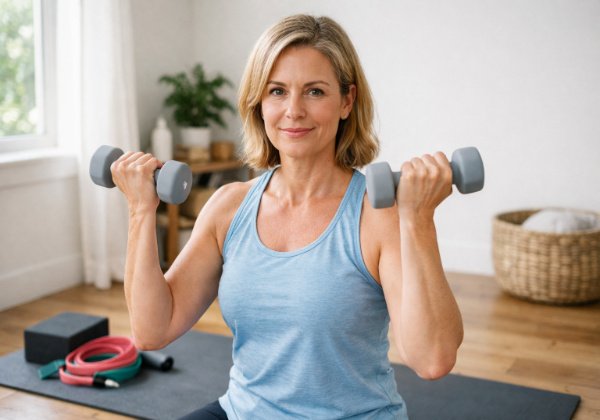
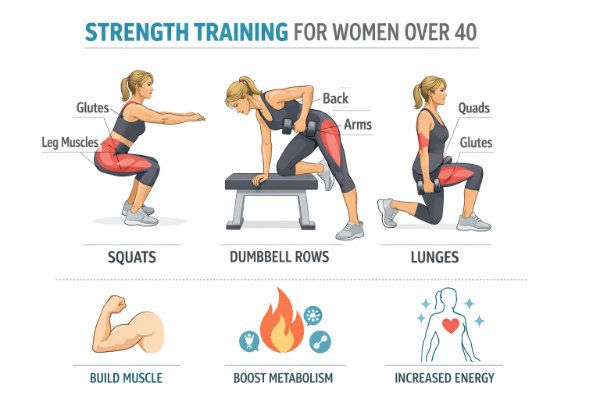
1. Strength Training (The Most Important Exercise After 40)
Strength training often gets overlooked, but it becomes crucial during menopause.
Muscle mass naturally declines with age. This process, called sarcopenia, slows metabolism and makes fat gain easier.
Resistance training reverses that trend.
Benefits include:
- Builds lean muscle
- Boosts resting metabolism
- Improves insulin sensitivity
- Reduces abdominal fat
A study published in Obesity Journal found that women who performed resistance training lost more visceral fat than those who only did cardio.
Beginner Strength Exercises
You do not need a fancy gym. Simple movements work well:
- Squats
- Lunges
- Dumbbell rows
- Push-ups
- Glute bridges
Start with two to three sessions per week. Focus on major muscle groups.
Your future metabolism will thank you.
2. Brisk Walking (The Most Underrated Fat Burner)
Walking may look simple, but it works surprisingly well for menopause belly fat.
It raises heart rate, burns calories, and improves insulin sensitivity without placing too much stress on joints.
A study from Harvard Health Publishing notes that a 155-pound person burns about 167 calories during a 30-minute brisk walk.
More importantly, walking helps reduce visceral fat around organs.
How to Make Walking More Effective
Try these tips:
- Walk at a pace that slightly increases breathing
- Add hills or inclines
- Aim for 30–45 minutes most days of the week
Consistency matters far more than intensity.
Think of walking as the foundation of your menopause fitness routine.
3. High-Intensity Interval Training (HIIT)
If you want faster fat-burning results, HIIT workouts can help.
HIIT alternates short bursts of intense activity with rest periods.
For example:
- 30 seconds fast cycling
- 30 seconds rest
- Repeat for 15–20 minutes
HIIT workouts help the body burn more calories in less time. They also increase post-exercise calorie burn, often called the “afterburn effect.”
A study in the Journal of Obesity found that HIIT significantly reduces abdominal and visceral fat.
Sample Beginner HIIT Routine
Repeat for 15 minutes:
- Jumping jacks – 30 seconds
- Rest – 30 seconds
- Bodyweight squats – 30 seconds
- Rest – 30 seconds
- March in place – 30 seconds
Always start slowly. Two HIIT sessions per week works well for most beginners.
4. Core Strength Exercises
Core exercises will not directly melt belly fat. However, they strengthen abdominal muscles and improve posture.
Stronger core muscles also support the spine and reduce back pain.
Effective Core Exercises
Add these to your routine:
- Plank holds
- Bicycle crunches
- Dead bugs
- Bird dogs
- Leg raises
The plank stands out as one of the most effective core exercises because it activates multiple muscles at once.
Try holding a plank for 20–30 seconds, then gradually increase the duration.
Your abs will feel the difference quickly.
5. Pilates
Pilates has become very popular among women over 40—and for good reason.
It strengthens deep abdominal muscles, improves flexibility, and enhances posture.
Unlike high-impact workouts, Pilates places less stress on joints.
Benefits include:
- Stronger core muscles
- Improved balance
- Better body awareness
- Reduced lower back pain
Research published in Maturitas Journal found that Pilates improved body composition and abdominal strength in postmenopausal women.
Even two sessions per week can produce noticeable results.
6. Yoga for Stress and Hormonal Balance
Menopause often increases stress levels. Stress raises cortisol, a hormone linked to abdominal fat storage.
Yoga helps counter this effect.
Regular practice supports:
- Lower cortisol levels
- Better sleep
- Improved flexibility
- Reduced emotional eating
A study in Menopause Journal found that yoga improved metabolic health and psychological well-being in postmenopausal women.
You do not need to twist yourself into complicated shapes.
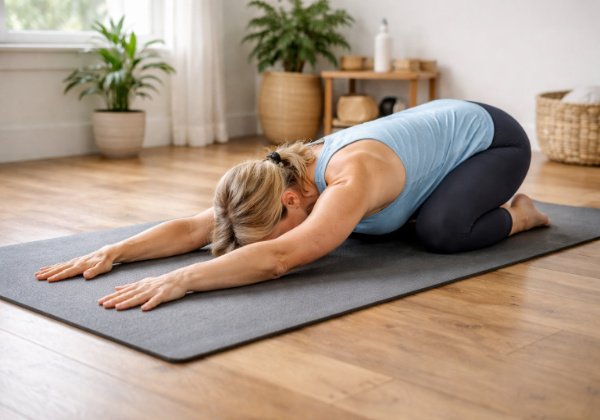
Start with beginner poses like:
- Cat-cow
- Downward dog
- Child’s pose
- Bridge pose
Even 15 minutes of daily yoga can make a difference.
Hormones play a major role in body fat distribution during midlife. For a deeper explanation of these changes, read our detailed article on Hormonal Weight Gain in Women After 40: 7 Common Causes.
Weekly Exercise Plan for Menopause Belly Fat
Creating a balanced routine helps maintain consistency.
Here’s a simple weekly structure:
Monday
Strength training
Tuesday
Brisk walking (30–40 minutes)
Wednesday
Yoga or Pilates
Thursday
Strength training
Friday
HIIT workout
Saturday
Light walking or yoga
Sunday
Rest or gentle stretching
This approach combines strength, cardio, and recovery—the three pillars of healthy fat loss.
Additional Lifestyle Tips to Reduce Menopause Belly Fat
Exercise works best when paired with healthy habits.
Prioritize Protein
Protein helps preserve muscle mass and supports metabolism.
Good sources include:
- Fish
- Eggs
- Greek yogurt
- Lentils
- Chicken
Improve Sleep Quality
Poor sleep disrupts hormones that regulate hunger and fat storage.
Aim for 7–9 hours per night.
Manage Stress
Chronic stress increases cortisol and abdominal fat.
Activities like meditation, journaling, and nature walks can help.
Stay Consistent
Quick fixes rarely work.
However, consistent exercise and healthy habits often produce steady results over time.
When Will You Start Seeing Results?
Many women notice small changes within 4–8 weeks of consistent exercise.
These changes may include:
- Improved energy levels
- Better sleep
- Stronger muscles
- Slight waist reduction
Significant fat loss often takes longer, especially during menopause. Patience matters.
Remember: the goal is not just a smaller waistline.
The real goal is stronger health for the decades ahead.
Frequently Asked Questions
What are the best menopause belly fat exercises?
The best menopause belly fat exercises include strength training, brisk walking, high-intensity interval training (HIIT), Pilates, and core workouts like planks. These exercises help build muscle, boost metabolism, and reduce visceral fat around the abdomen, which often increases during menopause due to hormonal changes.
How often should you do menopause belly fat exercises?
Experts recommend doing menopause belly fat exercises at least 4–5 days per week, combining strength training, cardio, and flexibility workouts. The American College of Sports Medicine suggests at least 150 minutes of moderate exercise weekly to help reduce abdominal fat and maintain metabolic health after menopause.
Can walking help reduce menopause belly fat?
Yes, brisk walking is one of the simplest menopause belly fat exercises. Regular walking increases calorie burn, improves insulin sensitivity, and supports fat loss around the abdomen. Walking for 30–45 minutes most days of the week can help reduce visceral fat and improve overall health.
Do core workouts reduce menopause belly fat?
Core workouts strengthen abdominal muscles but do not directly burn belly fat alone. However, when combined with other menopause belly fat exercises like strength training and cardio, core exercises such as planks and bicycle crunches help tighten the midsection and improve posture.
How long does it take for menopause belly fat exercises to work?
Most women begin noticing improvements in energy, strength, and body composition within 4–8 weeks of consistent menopause belly fat exercises. Visible belly fat reduction may take longer, depending on lifestyle, diet, and hormonal changes during menopause.
Final Thoughts
Menopause may change how the body stores fat, but it does not remove your ability to stay healthy and strong.
The right combination of strength training, walking, HIIT, yoga, and core exercises can help reduce abdominal fat while improving overall well-being.
The most important step? Start small and stay consistent.
A 20-minute walk today can lead to a healthier decade tomorrow.
And that’s a much better investment than another round of miracle diet ads.
Sources
- Harvard Health Publishing
- North American Menopause Society
- American College of Sports Medicine Physical Activity Guidelines
- Journal of Obesity – HIIT and abdominal fat reduction
- Maturitas Journal – Pilates and body composition in postmenopausal women
- Menopause Journal – Effects of yoga on metabolic health
Author Bio
Written by Emily Carter, Menopause Health Researcher & Women’s Wellness Writer.
She specializes in menopause-related weight gain, hormonal changes, and natural strategies for women over 40.
Health Disclaimer
This content is for informational purposes only and is not intended to diagnose, treat, or cure any disease. Always consult your healthcare provider before making changes to your diet or health routine. This article may include affiliate links, which come at no extra cost to you.