
Turning 40 often brings wisdom, confidence, and a clearer perspective on life. Unfortunately, it can also bring something less exciting: a slower metabolism.
Many women notice that maintaining their weight suddenly becomes more difficult. The same meals that once worked fine may now lead to gradual weight gain. Pants feel tighter, energy levels fluctuate, and losing weight takes more effort.
If this sounds familiar, you’re not imagining things.
Scientific research confirms that the body changes during midlife. These changes influence how the body uses energy, stores fat, and builds muscle. The result is often what experts describe as metabolism slowdown after 40 women commonly experience.
But here’s the important part: understanding these changes can help you manage them effectively.
Let’s explore what really happens to metabolism after 40 and what women can do to stay healthy and energetic.
What Is Metabolism?
Metabolism refers to the chemical processes that convert food into energy. Every cell in the body relies on metabolism to function properly.
Your metabolic rate determines how many calories your body burns throughout the day. This includes:
- Calories burned during physical activity
- Calories used for digestion
- Calories needed to keep vital organs working
Even when you rest, your body still burns energy to maintain breathing, circulation, and body temperature.
This resting energy use is called basal metabolic rate (BMR).
Does Metabolism Really Slow Down After 40?
Yes, but not as dramatically as many people believe.
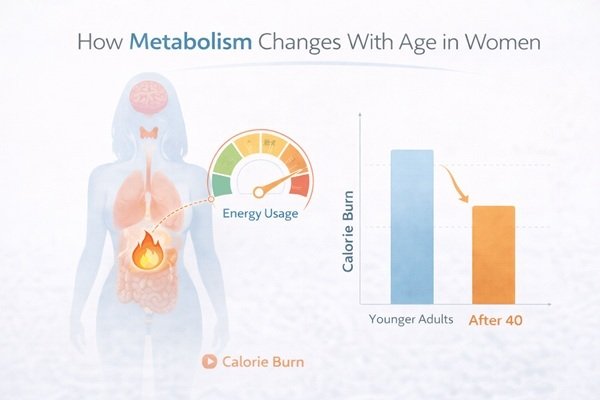
Researchers have found that metabolism changes gradually over time rather than suddenly dropping at a specific age.
However, many women notice the effects around their 40s because several biological changes occur during this stage of life.
According to the National Institute on Aging, aging affects muscle mass, hormone levels, and physical activity patterns—all of which influence metabolism.
These factors together contribute to the metabolism slowdown after 40 women often experience.
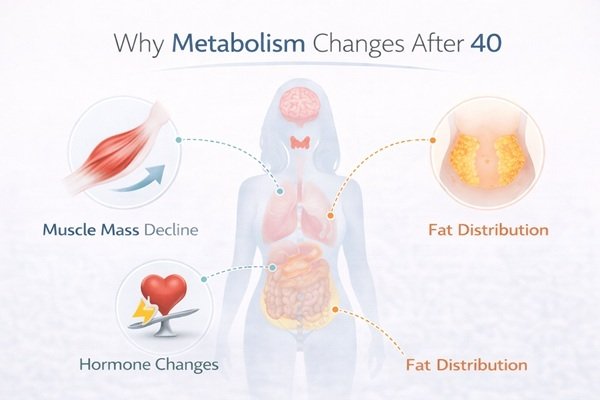
Why Metabolism Changes After 40
Several factors explain why the body burns fewer calories during midlife.
Understanding these factors can help you make smarter lifestyle choices.
1. Loss of Muscle Mass
One of the biggest drivers of metabolic slowdown is the gradual loss of muscle mass.
This process, known as sarcopenia, begins around the age of 30 and accelerates later in life.
Muscle tissue burns more calories than fat tissue. When muscle mass declines, the body burns fewer calories even at rest.
Research published in the American Journal of Clinical Nutrition shows that muscle loss contributes significantly to reduced metabolic rate during aging.
This explains why strength training becomes increasingly important after 40.
2. Hormonal Changes
Hormones regulate many aspects of metabolism.
For women, hormonal changes become more noticeable during perimenopause, the transitional period before menopause.
During this stage, levels of estrogen gradually decline.
According to the Mayo Clinic, lower estrogen levels may affect fat distribution, appetite regulation, and metabolic processes.
This hormonal shift can lead to increased abdominal fat and changes in energy balance.
Hormonal shifts during midlife can influence appetite, fat storage, and energy balance. Following a balanced menopause diet plan for weight loss can help support metabolic health during this stage.
3. Reduced Physical Activity
Lifestyle changes also play a role.
Many adults become less physically active during their 40s and 50s due to demanding careers, family responsibilities, or injuries.
Less movement means fewer calories burned throughout the day.
Experts from the Centers for Disease Control and Prevention emphasize that regular physical activity remains essential for maintaining metabolic health at any age.
4. Changes in Sleep Patterns
Sleep affects metabolism more than many people realize.
Poor sleep can disrupt hormones that regulate hunger and energy use.
For example:
- Ghrelin increases appetite
- Leptin signals fullness
Sleep deprivation increases ghrelin levels and reduces leptin levels.
Research from the National Sleep Foundation shows that poor sleep often leads to higher calorie intake and weight gain.
Sleep disturbances become more common during midlife, which can further contribute to metabolic changes.
Signs of Metabolism Slowdown After 40 Women Often Notice
The metabolic changes of midlife usually appear gradually.
Common signs include:
- Weight gain despite unchanged eating habits
- Increased abdominal fat
- Lower energy levels
- Difficulty losing weight
- Slower recovery after exercise
These symptoms can feel frustrating, but they do not mean the body has stopped responding to healthy habits.
In fact, lifestyle adjustments often make a significant difference.
Can You Boost Your Metabolism After 40?
Yes. While aging influences metabolism, many lifestyle choices can support metabolic health.
The key is focusing on habits that maintain muscle mass, support hormones, and encourage regular movement.
Let’s explore some practical strategies.
1. Strength Training Is Essential
Strength training remains one of the most effective ways to support metabolism.
Resistance exercises help maintain muscle mass and improve metabolic efficiency.
Examples include:
- Weightlifting
- Resistance band workouts
- Bodyweight exercises
- Pilates
The Centers for Disease Control and Prevention recommends muscle-strengthening activities at least twice per week.
Maintaining muscle helps counter the metabolism slowdown after 40 women experience.

2. Eat Enough Protein
Protein supports muscle maintenance and promotes satiety.
High-protein foods include:
- Fish
- Eggs
- Chicken
- Greek yogurt
- Beans and lentils
Nutrition experts from Harvard Medical School explain that adequate protein intake helps preserve lean muscle mass and supports metabolic health.
Aim to include protein in every meal.
3. Stay Physically Active Throughout the Day
Structured workouts help, but everyday movement also matters.
Activities such as walking, gardening, and household chores contribute to daily calorie expenditure.
Even small increases in activity can help maintain metabolic balance.
Walking remains one of the simplest and most effective forms of exercise.
4. Prioritize Quality Sleep
Good sleep supports metabolic health.
Healthy sleep habits include:
- Maintaining a consistent sleep schedule
- Avoiding screens before bedtime
- Limiting caffeine late in the day
- Creating a comfortable sleep environment
Improved sleep often leads to better energy levels and appetite regulation.
5. Focus on Whole Foods
Highly processed foods often contain refined carbohydrates and added sugars that contribute to weight gain.
Instead, prioritize whole foods such as:
- Vegetables
- Fruits
- Whole grains
- Lean proteins
- Healthy fats
Balanced nutrition supports metabolic function and overall health.
Common Myths About Metabolism After 40
Many misconceptions surround metabolism and aging.
Let’s clear up a few common myths.
Myth 1: Metabolism Stops Working After 40
Metabolism does not stop working.
It simply adjusts to changes in muscle mass, hormones, and activity levels.
Myth 2: Weight Gain Is Inevitable
Weight gain becomes more common, but it is not unavoidable.
Healthy habits still influence body composition.
Myth 3: Eating Less Always Helps
Extremely low-calorie diets can actually slow metabolism further by reducing muscle mass.
Balanced nutrition works better than restrictive dieting.
When Should You Speak With a Doctor?
Some metabolic changes require professional evaluation.
Consider consulting a healthcare provider if you experience:
- Rapid unexplained weight gain
- Severe fatigue
- Persistent sleep problems
- Signs of thyroid dysfunction
Healthcare professionals can evaluate hormone levels, metabolic health, and lifestyle factors.
Frequently Asked Questions
Why does metabolism slow down after 40 in women?
Metabolism slowdown after 40 women experience often happens because muscle mass gradually declines and hormonal changes begin during perimenopause. Muscle burns more calories than fat, so losing muscle can reduce the body’s resting metabolic rate. Lifestyle factors such as reduced physical activity and sleep changes can also influence metabolism during midlife.
Is metabolism slowdown after 40 women experience inevitable?
Metabolism slowdown after 40 women notice is common, but it is not unavoidable. Maintaining muscle through strength training, staying physically active, eating enough protein, and getting adequate sleep can support metabolic health and help prevent excessive weight gain during midlife.
How can women boost metabolism after 40?
Women can support metabolism after 40 by focusing on strength training, eating protein-rich foods, staying active throughout the day, and prioritizing sleep. These habits help preserve muscle mass and support energy balance, which can reduce the effects of metabolism slowdown after 40 women often experience.
Does menopause affect metabolism in women over 40?
Yes, menopause and perimenopause can influence metabolism. Declining estrogen levels may affect fat distribution, appetite regulation, and energy balance. These hormonal changes can contribute to the metabolism slowdown after 40 women commonly report during midlife.
What are the signs of metabolism slowdown after 40 women notice?
Common signs include gradual weight gain, increased belly fat, lower energy levels, and difficulty losing weight even with the same diet and activity levels. These changes often occur because metabolism slowdown after 40 women experience results from muscle loss, hormonal changes, and reduced daily activity.
The Bottom Line
Metabolism changes naturally with age, but these changes rarely occur overnight.
The metabolism slowdown after 40 women experience usually results from several factors working together:
- Loss of muscle mass
- Hormonal changes
- Reduced physical activity
- Sleep disturbances
The encouraging news is that the body still responds to healthy habits.
Strength training, balanced nutrition, quality sleep, and regular movement all support metabolic health during midlife.
Turning 40 does not mean your metabolism is broken. It simply means your body needs a slightly smarter strategy.
With the right habits, many women stay energetic, healthy, and strong well beyond midlife.
Sources & Medical References
- National Institute on Aging – Healthy Aging and Physical Activity
- Mayo Clinic – Menopause and Weight Gain
- Centers for Disease Control and Prevention – Physical Activity Guidelines
Author Bio
Jennifer Collins is a wellness researcher and natural health writer focused on adults over 40. With 3+ years of experience in digital health content, Jennifer specializes in making science-backed nutrition and lifestyle strategies easy to follow and apply.
Health Disclaimer
This content is for informational purposes only and is not intended to diagnose, treat, or cure any disease. Always consult your healthcare provider before making changes to your diet or health routine. This article may include affiliate links, which come at no extra cost to you.