
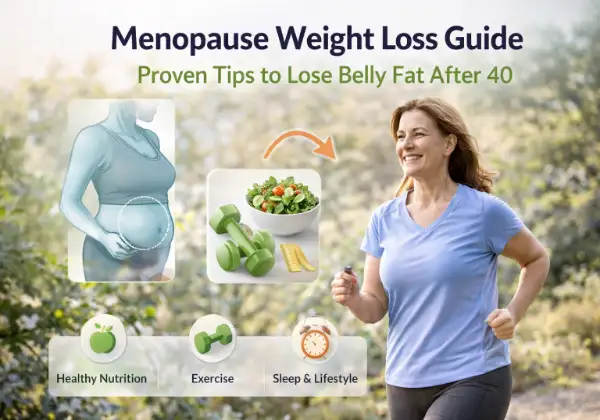
Menopause changes your body in ways that can feel frustrating, confusing, and sometimes unfair. One day your usual routine works fine. The next, weight seems to stick around no matter what you do.
If you’ve been searching for a menopause weight loss guide, you’re not alone. Millions of women face the same challenge, especially after the age of 40. The good news is simple: weight loss during menopause is absolutely possible. You just need the right strategy.
This guide breaks everything down clearly, using science-backed information, practical tips, and realistic expectations. No gimmicks. No fake promises. Just what actually works.
Table of Contents
What Happens to Your Body During Menopause
Menopause officially begins when you haven’t had a menstrual cycle for 12 months. But the real changes start earlier, during perimenopause.
Hormones shift, especially estrogen. This shift impacts how your body stores fat, burns calories, and regulates hunger.
Here’s what commonly happens:
- Fat storage increases, especially around the abdomen
- Muscle mass slowly decreases
- Metabolism becomes slower
- Insulin sensitivity drops
This means your old weight loss methods may stop working. It’s not your fault. Your body simply operates differently now.

Why Weight Gain Happens During Menopause
Let’s be honest. It’s not just hormones. Several factors combine to create weight gain.
1. Hormonal Changes
Lower estrogen levels push fat storage toward the belly. This type of fat links to higher health risks.
2. Slower Metabolism
Research shows metabolism can decline with age. This means your body burns fewer calories at rest.
3. Muscle Loss
After 30, women lose muscle gradually. Muscle burns more calories than fat. Less muscle equals slower fat burning.
4. Lifestyle Factors
Sleep problems, stress, and reduced activity also play a role. Menopause often affects all three.
This combination explains why weight gain feels sudden and stubborn.
Can You Lose Weight During Menopause
Yes, you can. But you need a smarter approach.
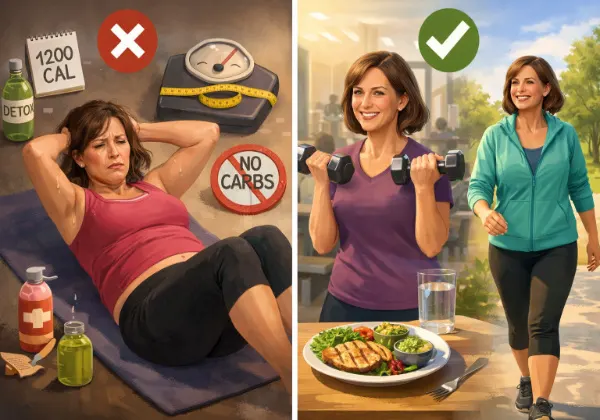
Crash diets, extreme workouts, and skipping meals will not help long term. In fact, they can make things worse by slowing your metabolism further.
A proper menopause weight loss guide focuses on balance, consistency, and sustainability.
The Best Diet Strategy for Menopause Weight Loss
Forget complicated diets. You need a simple, science-based eating pattern.
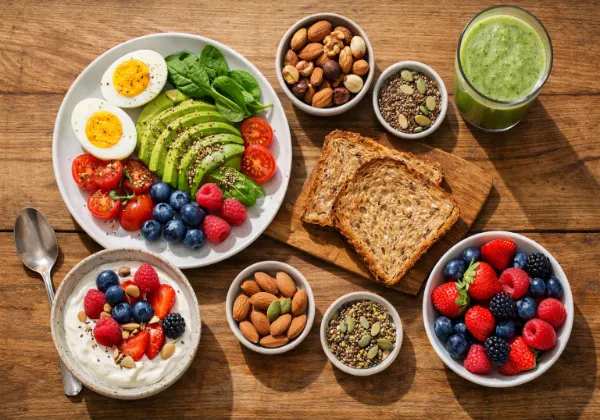
Focus on Protein First
Protein helps maintain muscle mass and keeps you full longer.
Good sources include:
- Eggs
- Greek yogurt
- Lentils
- Chicken and fish
Studies suggest higher protein intake supports weight loss and reduces belly fat.
Add Fiber to Every Meal
Fiber improves digestion and controls hunger.
Include:
- Vegetables
- Fruits
- Whole grains
- Seeds
Fiber also helps stabilize blood sugar levels, which is crucial during menopause.
Healthy Fats Matter
Don’t fear fats. The right fats support hormone health.
Choose:
- Nuts
- Seeds
- Olive oil
Reduce Added Sugar and Refined Carbs
Sugary foods spike insulin and promote fat storage.
Cut back on:
- Sugary drinks
- White bread
- Packaged snacks
You don’t need to eliminate them completely. Just reduce them consistently.
The Role of Exercise in Menopause Weight Loss
Exercise becomes even more important during menopause.
But not all workouts give the same results.
Strength Training Is Essential
Lifting weights or doing resistance exercises helps preserve muscle.
More muscle means:
- Higher metabolism
- Better fat burning
- Improved strength
Aim for at least 2 to 3 sessions per week.
Cardio Still Matters
Walking, cycling, or swimming supports heart health and burns calories.
Even 30 minutes a day can make a difference.
Don’t Skip Daily Movement
Simple habits matter:
- Take the stairs
- Walk after meals
- Stay active throughout the day
Consistency beats intensity.
Sleep and Stress: The Hidden Weight Gain Triggers
Many people ignore this part, but it matters a lot.
Poor Sleep Slows Weight Loss
Menopause often brings sleep disturbances.
Lack of sleep:
- Increases hunger hormones
- Reduces energy levels
- Promotes fat storage
Try to get 7 to 8 hours of sleep each night.
Stress Raises Cortisol
High stress increases cortisol levels, which leads to belly fat.
Simple ways to manage stress:
- Deep breathing
- Meditation
- Light exercise
Even 10 minutes a day helps.
Common Mistakes in Menopause Weight Loss
Even with the best intentions, some habits can slow your progress.
Eating Too Little
Extreme calorie restriction slows metabolism and leads to muscle loss.
Avoiding Strength Training
Cardio alone is not enough. You need resistance training.
Expecting Fast Results
Weight loss during menopause is slower. That’s normal.
Ignoring Protein Intake
Low protein leads to muscle loss and increased hunger.
Avoid these mistakes and you’ll stay on track.
How Long Does It Take to See Results
Here’s the truth. Weight loss during menopause takes time.
You might notice:
- Better energy within 2 weeks
- Slight weight changes in 4 to 6 weeks
- Visible results in 8 to 12 weeks
Slow progress is still progress.
Think of it as a long-term investment, not a quick fix.
Supplements: Do You Really Need Them
Supplements can help, but they are not magic solutions.
Some that may support menopause weight loss include:
- Vitamin D
- Calcium
- Omega 3 fatty acids
Always consult a healthcare professional before starting any supplement.
Focus on food first. Supplements should only fill gaps.
A Simple Daily Routine That Works
Let’s make things practical.
Morning:
Start with a protein-rich breakfast like eggs or yogurt.
Afternoon:
Include fiber and protein in your lunch.
Evening:
Keep dinner balanced and avoid heavy late-night eating.
Daily habits:
- Walk for 30 minutes
- Stay hydrated
- Get enough sleep
This simple routine works better than complicated plans.
The Mental Side of Menopause Weight Loss
Weight loss is not just physical. It’s mental too.
You may feel frustrated when results are slow. That’s normal.
Stay consistent. Focus on small wins like:
- Better sleep
- More energy
- Improved mood
These changes matter just as much as weight loss.
Frequently Asked Questions
Why is it harder to lose weight during menopause?
Weight loss becomes harder due to hormonal changes, especially lower estrogen levels, which affect fat storage and metabolism. A well-structured menopause weight loss guide focuses on maintaining muscle, improving metabolism, and managing lifestyle factors like sleep and stress to support fat loss.
What is the best diet to follow in a menopause weight loss guide?
The best diet in a menopause weight loss guide includes high protein, fiber-rich foods, and healthy fats. This combination helps control hunger, stabilize blood sugar, and preserve muscle mass, which is essential for effective and sustainable weight loss.
Can you really lose belly fat during menopause?
Yes, you can lose belly fat with the right menopause weight loss guide. Strength training, balanced nutrition, and stress management play a key role in reducing abdominal fat, which is commonly linked to hormonal changes during menopause.
How long does it take to see results with a menopause weight loss guide?
Most women start noticing small changes within 4 to 6 weeks when following a consistent menopause weight loss guide. Visible weight loss and body composition changes usually appear within 8 to 12 weeks, depending on diet, exercise, and lifestyle habits.
What type of exercise works best in a menopause weight loss guide?
A menopause weight loss guide should include strength training and moderate cardio. Strength training helps maintain muscle and boost metabolism, while cardio supports calorie burning and heart health. A combination of both delivers the best results.
Final Thoughts: What Actually Works
A good menopause weight loss guide focuses on sustainable habits.
Here’s what truly works:
- Eat more protein and fiber
- Strength train regularly
- Stay active daily
- Sleep well and manage stress
- Stay consistent
No shortcuts exist. But the results are worth it.
And yes, your body can still change. It just needs a smarter approach now.
If your main concern is abdominal weight gain, this guide on Menopause Belly Fat Science: Why It Happens & Proven Ways to Fix It Fast After 40 offers focused, science-backed solutions.
Sources
- National Institute on Aging
- Mayo Clinic
- Harvard Health Publishing
- North American Menopause Society
- Centers for Disease Control and Prevention
Author Bio
Jennifer Collins is a wellness researcher and natural health writer focused on adults over 40. With 3+ years of experience in digital health content, Jennifer specializes in making science-backed nutrition and lifestyle strategies easy to follow and apply.
Health Disclaimer
This content is for informational purposes only and is not intended to diagnose, treat, or cure any disease. Always consult your healthcare provider before making changes to your diet or health routine. This article may include affiliate links, which come at no extra cost to you.