

Many women notice body changes during menopause. One of the most common concerns is weight gain. Friends blame hormones, social media spreads quick fixes, and diet culture adds confusion.
But what do doctors and researchers actually say?
The truth sits somewhere between biology, lifestyle, and aging. Understanding the difference between facts and myths helps you make better health decisions and avoid unnecessary stress.
In this guide, we’ll break down the most common menopause weight gain myths and explain what science really says.
Table of Contents
Understanding Menopause and Body Changes
Menopause marks the time when menstrual periods permanently stop. Doctors usually diagnose it after 12 months without a menstrual cycle. Most women reach menopause between ages 45 and 55, according to the North American Menopause Society.
During this phase, levels of estrogen and progesterone decline. These hormonal changes affect several systems in the body:
- Metabolism
- Fat distribution
- Muscle mass
- Appetite regulation
- Sleep quality
These shifts explain why many women notice changes in body composition.
However, menopause does not automatically cause weight gain. Lifestyle, aging, and muscle loss often play a bigger role.
Let’s clear up some myths.
Common Menopause Weight Gain Myths (And the Truth)
Myth 1: Menopause Automatically Causes Weight Gain
This is one of the most widespread menopause weight gain myths.
Many women assume hormones directly add pounds to the scale.
Fact
Research shows that aging, not menopause itself, drives most weight gain.
According to studies published by the Mayo Clinic, many women gain about 1–1.5 pounds per year during midlife. This trend also appears in men of the same age.
So what actually happens?
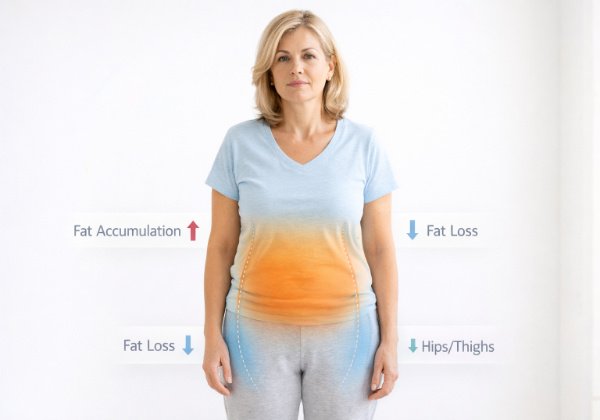
Estrogen decline changes where fat gets stored, not necessarily how much fat you gain.
Before menopause, fat often stores around the hips and thighs. After menopause, fat tends to shift toward the abdomen.
That shift explains why many women notice a thicker waistline even without major weight gain.
Myth 2: Hormones Slow Metabolism Overnight
Another popular belief claims menopause suddenly crashes metabolism.
This idea spreads widely online but oversimplifies the biology.
Fact
Metabolism usually declines gradually with age and muscle loss, not hormones alone.
Muscle burns more calories than fat. As people age, they naturally lose muscle mass, especially without strength training.
The National Institute on Aging explains that lower muscle mass can reduce daily calorie needs.
For example:
- A woman in her 50s may burn 100–200 fewer calories per day than she did in her 30s.
Without adjusting diet or activity, small calorie imbalances can slowly lead to weight gain.
The solution often involves strength training and daily movement, not extreme dieting
Myth 3: You Can’t Lose Weight After Menopause
Many women believe weight loss becomes impossible after menopause.
This myth discourages healthy lifestyle changes.
Fact
Women can absolutely lose weight during and after menopause.
Doctors emphasize that calorie balance, physical activity, and muscle maintenance remain the key drivers of weight management.
Research published in the Journal of the Academy of Nutrition and Dietetics shows that structured lifestyle programs can help postmenopausal women reduce body fat and improve metabolic health.
Successful strategies usually include:
- Balanced nutrition
- Strength training
- Regular walking or aerobic exercise
- Good sleep habits
Weight loss might occur more slowly, but it remains achievable.
Myth 4: Belly Fat During Menopause Is Only Hormonal
Many blogs blame menopause hormones for every bit of belly fat.
Hormones play a role, but they don’t tell the whole story.
Fact
Multiple factors influence abdominal fat during menopause:
- Reduced estrogen
- Lower physical activity
- Sleep disruption
- Stress hormones like cortisol
- Loss of muscle mass
Research from Harvard Medical School suggests that hormonal changes may increase visceral fat, the fat stored around organs in the abdomen.
But lifestyle habits strongly influence how much fat accumulates.
Simple changes such as daily walking, resistance training, and balanced meals can significantly reduce abdominal fat risk.
Myth 5: Extreme Dieting Works Best During Menopause
When weight gain appears, some people jump into extreme diets.
Social media often promotes detox plans, fasting extremes, or “menopause miracle diets.”
Fact
Crash dieting usually backfires.
Severely restricting calories can:
- Slow metabolism
- Increase muscle loss
- Trigger binge eating cycles
- Reduce long-term success
Doctors recommend sustainable habits instead of drastic diets.
Healthy weight management during menopause usually includes:
- Protein-rich meals
- Fiber from vegetables and whole grains
- Healthy fats like olive oil and nuts
- Consistent physical activity
Slow and steady progress works better than quick fixes.
Why Weight Distribution Changes During Menopause
While some menopause weight gain myths exaggerate the problem, menopause does influence body composition.
Lower estrogen levels affect how the body stores fat.
Researchers believe estrogen helps regulate fat storage patterns. When levels drop, fat may shift toward the abdominal area.
This change explains why women often notice:
- A larger waistline
- Less fat around hips and thighs
- Increased belly fat risk
This fat distribution pattern resembles the male body fat pattern.
Doctors sometimes call it the “menopausal metabolic shift.”
However, lifestyle choices still strongly influence outcomes.

Lifestyle Habits That Help Manage Weight During Menopause
Menopause may change the body, but smart habits can protect long-term health.
Doctors often recommend a combination of movement, nutrition, and sleep.
1. Strength Training
Strength training helps preserve muscle mass.
More muscle improves metabolism and helps maintain healthy weight.
Examples include:
- Bodyweight exercises
- Resistance bands
- Light weightlifting
- Pilates
Even two sessions per week can support muscle health.
2. Prioritize Protein
Protein supports muscle maintenance and helps control hunger.
Good protein sources include:
- Fish
- Eggs
- Greek yogurt
- Beans and lentils
- Lean poultry
Nutrition experts recommend spreading protein intake across meals rather than eating it all at dinner.
3. Stay Physically Active
Regular movement supports weight control and heart health.
The Centers for Disease Control and Prevention (CDC) recommends:
- 150 minutes of moderate exercise per week
Good options include:
- Walking
- Cycling
- Swimming
- Low-impact aerobics
Consistency matters more than intensity.

4. Improve Sleep Quality
Many women experience sleep problems during menopause.
Poor sleep can increase hunger hormones and cravings.
Better sleep habits include:
- Keeping a consistent bedtime
- Limiting caffeine late in the day
- Reducing screen time before sleep
Quality sleep supports metabolism and energy levels.
5. Manage Stress
Stress increases cortisol, a hormone linked with belly fat storage.
Relaxation strategies can help regulate stress hormones.
Helpful techniques include:
- Yoga
- Meditation
- Deep breathing
- Spending time outdoors
Even small daily stress-relief habits can support overall health.
Many experts also recommend building simple daily routines. These morning habit menopause weight loss strategies can help support metabolism and prevent midlife weight gain.
When to Talk to a Doctor About Weight Changes
Most menopause-related weight changes occur gradually.
However, some symptoms may require medical attention.
Speak with a healthcare provider if you notice:
- Rapid unexplained weight gain
- Severe fatigue
- Major appetite changes
- Persistent sleep problems
Doctors can evaluate possible causes such as:
- Thyroid issues
- Metabolic disorders
- Medication side effects
Professional guidance ensures the safest and most effective approach.
Frequently Asked Questions
Does menopause automatically cause weight gain?
No, menopause does not automatically cause weight gain. One of the most common menopause weight gain myths is that hormones alone add extra pounds. Research shows that aging, muscle loss, and lifestyle habits usually play a bigger role. Hormonal changes during menopause mainly affect where fat is stored, often shifting it toward the abdominal area rather than directly causing weight gain.
Why do many women gain belly fat during menopause?
Many women notice more belly fat during menopause because declining estrogen levels can change fat distribution in the body. However, one of the biggest menopause weight gain myths is that hormones are the only cause. Reduced physical activity, muscle loss, poor sleep, and stress can also increase abdominal fat during midlife.
Is it harder to lose weight after menopause?
Weight loss can become slightly slower after menopause, but it is still possible. Some menopause weight gain myths claim that losing weight becomes impossible after menopause, which is not true. Doctors often recommend strength training, balanced nutrition, and regular physical activity to maintain muscle and support healthy weight management.
What is the best diet to prevent menopause weight gain?
There is no single “menopause diet,” despite what many online claims suggest. Many menopause weight gain myths promote extreme or restrictive diets, but doctors usually recommend a balanced eating pattern. Meals rich in protein, fiber, whole grains, fruits, vegetables, and healthy fats can support metabolism and help manage weight during menopause.
Can exercise reduce menopause-related weight gain?
Yes, regular exercise can help manage weight during menopause. One reason many menopause weight gain myths spread is that people believe hormones make lifestyle changes useless. In reality, doctors recommend combining strength training, walking, and aerobic activity to maintain muscle mass, support metabolism, and reduce abdominal fat.
The Bottom Line
Menopause brings real biological changes, but misinformation often exaggerates the problem.
Many menopause weight gain myths suggest that hormones make weight gain inevitable or irreversible. Science tells a different story.
Aging, muscle loss, lifestyle habits, and sleep quality often play larger roles than menopause alone.
The good news?
Healthy routines still work.
Strength training, balanced nutrition, consistent activity, and good sleep habits can support weight management and long-term health during menopause.
Instead of chasing quick fixes, focus on sustainable habits that support your body through this natural life stage.
Sources
- North American Menopause Society
- Mayo Clinic – Menopause weight gain
- Harvard Health Publishing – Menopause and belly fat
- National Institute on Aging – Metabolism and aging
- CDC Physical Activity Guidelines
- Journal of the Academy of Nutrition and Dietetics – Lifestyle interventions in postmenopausal women
Author Bio
Jennifer Collins is a wellness researcher and natural health writer focused on adults over 40. With 3+ years of experience in digital health content, Jennifer specializes in making science-backed nutrition and lifestyle strategies easy to follow and apply.
Health Disclaimer
This content is for informational purposes only and is not intended to diagnose, treat, or cure any disease. Always consult your healthcare provider before making changes to your diet or health routine. This article may include affiliate links, which come at no extra cost to you.