
Menopause weight gain is one of the most frustrating changes many women face after 40. You may feel like your body suddenly stopped cooperating. The same diet and routine no longer work. The scale creeps up even when you try your best.
Here’s the truth. You are not imagining it.
Doctors and researchers agree that menopause weight gain is real, common, and driven by biological changes. But they also agree on something else. You can manage it with the right approach.
In this guide, we’ll break down menopause weight gain expert advice backed by real medical insights. No myths. No shortcuts. Just clear, practical strategies that actually work.
Table of Contents

Why Menopause Weight Gain Happens (According to Doctors)
Menopause weight gain does not come from one single cause. It happens due to a combination of hormonal, metabolic, and lifestyle factors.
1. Hormonal Changes Slow Fat Burning
During menopause, estrogen levels drop. This shift affects how your body stores fat.
Doctors explain that lower estrogen:
- Promotes fat storage around the abdomen
- Reduces muscle mass
- Slows metabolic rate
This is why many women notice belly fat increase even without major lifestyle changes.
2. Metabolism Naturally Slows Down
Your metabolism decreases with age. After 40, your body burns fewer calories at rest.
Medical studies show that:
- You lose lean muscle over time
- Muscle burns more calories than fat
- Less muscle means slower calorie burning
So even if you eat the same meals, your body stores more energy as fat.
3. Insulin Sensitivity Changes
Doctors often highlight insulin resistance as a hidden factor in menopause weight gain.
When your body becomes less sensitive to insulin:
- Blood sugar rises faster
- Fat storage increases
- Cravings for sugar and carbs go up
This creates a cycle that leads to gradual weight gain.
4. Sleep and Stress Play a Bigger Role
Menopause often disrupts sleep. Hot flashes and night sweats make it harder to rest.
Poor sleep affects hormones like:
- Cortisol (stress hormone)
- Ghrelin (hunger hormone)
- Leptin (fullness hormone)
Doctors confirm that lack of sleep directly increases weight gain risk.
What Doctors Say About Menopause Weight Gain
Let’s move beyond causes and focus on what experts actually recommend.
“You Can’t Outrun Hormones, But You Can Work With Them”
Doctors emphasize that fighting your body rarely works. Instead, you need to adjust your strategy.
This means:
- Eating smarter, not just less
- Training your body differently
- Supporting hormone balance naturally
“Weight Gain Is Not Just About Calories”
Many women blame themselves. Doctors disagree.
Experts point out that menopause weight gain:
- Is not a lack of willpower
- Is not just overeating
- Is not solved by crash dieting
In fact, extreme dieting can make things worse by slowing metabolism even more.

“Strength Training Is Non-Negotiable”
If there is one thing doctors strongly agree on, it’s this.
Strength training:
- Preserves muscle mass
- Boosts metabolism
- Helps burn fat more efficiently
Even simple resistance exercises 3 times a week can make a visible difference.
Menopause Weight Gain Expert Advice That Works
Now let’s get practical. Here is what doctors actually recommend based on research and clinical experience.
Focus on Protein First
Doctors often say protein becomes more important after 40.
Why?
Protein helps:
- Maintain muscle
- Reduce cravings
- Keep you full longer
Experts suggest aiming for 20 to 30 grams of protein per meal.
Good sources include:
- Eggs
- Greek yogurt
- Lentils
- Chicken and fish
This simple shift alone can reduce menopause weight gain significantly.
Stop Undereating
This may sound surprising, but many doctors warn against eating too little.
Severe calorie restriction:
- Slows metabolism
- Increases fat storage
- Triggers muscle loss
Instead, experts recommend a balanced calorie deficit, not starvation.
Prioritize Strength Over Cardio
Cardio helps, but it is not enough on its own.
Doctors suggest:
- Strength training 3 to 4 times per week
- Adding light cardio like walking
- Avoiding excessive long cardio sessions
Why?
Too much cardio without strength training can lead to muscle loss.
Improve Sleep Quality
Doctors repeatedly highlight sleep as a key factor in menopause weight gain.
To improve sleep:
- Avoid caffeine late in the day
- Keep your room cool
- Follow a consistent bedtime
Even improving sleep by one hour can positively affect weight control.
Manage Stress Actively
Chronic stress raises cortisol levels. High cortisol encourages fat storage, especially around the belly.
Doctors recommend:
- Deep breathing exercises
- Yoga or light stretching
- Short daily walks
Stress management is not optional. It directly impacts your weight.
Foods Doctors Recommend During Menopause
Diet plays a huge role in managing menopause weight gain.
Eat Whole, Nutrient-Dense Foods
Doctors consistently advise focusing on:
- Vegetables
- Fruits
- Whole grains
- Healthy fats
These foods support hormone balance and metabolic health.
Include Healthy Fats
Healthy fats help regulate hormones.
Good options include:
- Avocados
- Nuts
- Seeds
- Olive oil
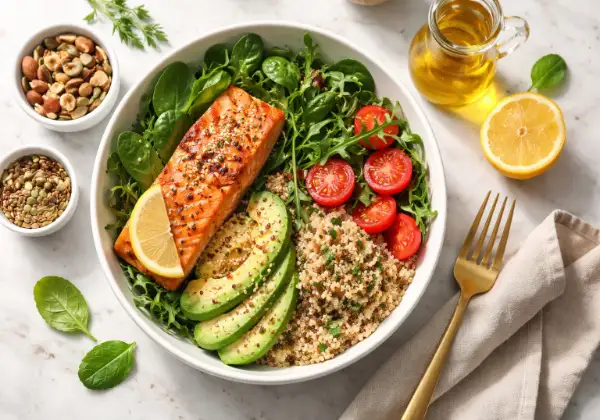
Doctors stress that not all fats cause weight gain. In fact, the right fats help control it.
Reduce Processed Sugar
High sugar intake worsens insulin resistance.
Doctors recommend limiting:
- Sugary drinks
- Packaged snacks
- Refined carbs
Reducing sugar can quickly improve energy levels and reduce fat storage.
For a deeper breakdown of what to eat daily, you can explore Hormone Diet Women Over 40: 10 Proven Tips, where we cover simple and effective meal strategies.
Common Mistakes Women Make (According to Experts)
Understanding what not to do is just as important.
1. Following Extreme Diets
Doctors warn against fad diets that promise quick results.
These diets:
- Slow metabolism
- Cause muscle loss
- Lead to weight regain
2. Ignoring Strength Training
Many women rely only on cardio. Experts say this is a mistake.
Without strength training:
- Muscle loss increases
- Fat loss slows down
3. Comparing Your Body to Your 20s
Doctors emphasize that your body has changed. Your strategy should change too.
What worked at 25 will not work the same way at 45.
Can You Lose Weight After Menopause?
Yes. Doctors confirm that weight loss is still possible.
But expectations need to be realistic.
Instead of rapid weight loss, focus on:
- Fat loss
- Muscle gain
- Improved health markers
Progress may be slower, but it is more sustainable.
How Long Does It Take to See Results?
Doctors say results depend on consistency, not perfection.
Most women notice:
- Better energy in 2 to 3 weeks
- Visible changes in 6 to 8 weeks
- Significant improvement in 3 months
The key is staying consistent with expert advice.
The Mental Side of Menopause Weight Gain
Doctors also talk about mindset, and for good reason.
Weight gain during menopause can affect:
- Confidence
- Mood
- Motivation
Experts encourage:
- Focusing on health, not just weight
- Celebrating small wins
- Avoiding negative self-talk
You are not failing. Your body is adapting.
A Simple Daily Plan Doctors Recommend
To make things easier, here is a simple structure based on menopause weight gain expert advice:
Morning:
- Protein-rich breakfast
- Light movement or walk
Afternoon:
- Balanced meal with protein and fiber
- Stay hydrated
Evening:
- Strength training or light activity
- Early, balanced dinner
Night:
- Relaxation routine
- Consistent sleep schedule
This routine aligns with how your body works during menopause.
Frequently Asked Questions
Why does menopause weight gain happen even without overeating?
Menopause weight gain often happens due to hormonal changes, especially lower estrogen levels, which affect fat storage and metabolism. According to menopause weight gain expert advice, the body also loses muscle mass with age, which slows calorie burning. This means you may gain weight even if your eating habits have not changed.
What is the best diet based on menopause weight gain expert advice?
Menopause weight gain expert advice suggests focusing on a balanced diet rich in protein, fiber, and healthy fats. Doctors recommend whole foods like vegetables, lean protein, whole grains, and nuts while limiting sugar and processed foods. This approach helps control cravings, improve metabolism, and support hormone balance.
Can you lose belly fat after menopause?
Yes, you can lose belly fat after menopause. Menopause weight gain expert advice highlights the importance of strength training, adequate protein intake, and proper sleep. While fat loss may be slower than before, consistent healthy habits can reduce abdominal fat and improve overall body composition.
What type of exercise is most effective for menopause weight gain?
According to menopause weight gain expert advice, strength training is the most effective exercise for managing weight during menopause. It helps build muscle, boost metabolism, and improve fat burning. Combining resistance training with light cardio like walking gives the best long-term results.
How long does it take to reverse menopause weight gain?
Menopause weight gain expert advice suggests that noticeable improvements can begin within 4 to 8 weeks with consistent lifestyle changes. Long-term results typically appear over 2 to 3 months. The key is consistency with diet, exercise, sleep, and stress management rather than quick fixes.
Final Thoughts
Menopause weight gain is not a mystery. Doctors understand it well, and more importantly, they know how to manage it.
The key takeaway from menopause weight gain expert advice is simple:
- Your body has changed
- Your strategy must change too
- Small, consistent habits matter more than extreme efforts
You do not need perfection. You need a plan that works with your body, not against it.
And yes, you can feel strong, confident, and healthy again.
Sources
- North American Menopause Society (NAMS)
- Mayo Clinic – Menopause weight gain
- Harvard Health Publishing – Weight gain in women at midlife
- National Institute on Aging
- Cleveland Clinic – Menopause and metabolis
Author Bio
Jennifer Collins is a wellness researcher and natural health writer focused on adults over 40. With 3+ years of experience in digital health content, Jennifer specializes in making science-backed nutrition and lifestyle strategies easy to follow and apply.
Health Disclaimer
This content is for informational purposes only and is not intended to diagnose, treat, or cure any disease. Always consult your healthcare provider before making changes to your diet or health routine. This article may include affiliate links, which come at no extra cost to you.