

Many women notice a frustrating change during midlife: the scale begins to creep upward even when their lifestyle stays the same. Clothes feel tighter, belly fat appears out of nowhere, and workouts that once worked suddenly stop delivering results.
If you’ve experienced this, you’re not alone.
Studies show that women gain an average of 1–1.5 pounds per year during midlife, especially during the menopause transition. Researchers from the Mayo Clinic and the North American Menopause Society confirm that hormonal changes, aging, and lifestyle factors all play a role.
But here’s the important part: menopause itself does not magically cause weight gain. Instead, it changes how your body stores fat, uses energy, and regulates appetite.
Understanding the real menopause weight gain causes can help you manage your weight more effectively. Let’s break down the science in a simple and practical way.
What Happens in the Body During Menopause?
Menopause marks the end of a woman’s reproductive years. Doctors diagnose menopause after 12 consecutive months without a menstrual period.
Most women reach menopause between ages 45 and 55, according to the National Institute on Aging.
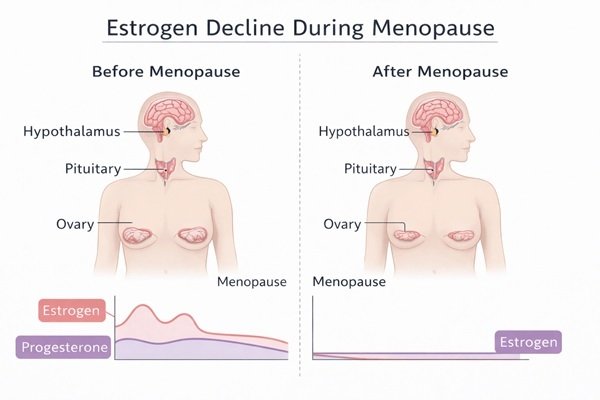
During this transition, the ovaries gradually reduce their production of key hormones, especially:
- Estrogen
- Progesterone
These hormones influence far more than fertility. They also affect metabolism, fat storage, insulin sensitivity, and appetite.
When hormone levels shift, the body adjusts in several ways. One of the most noticeable changes is how and where fat gets stored.
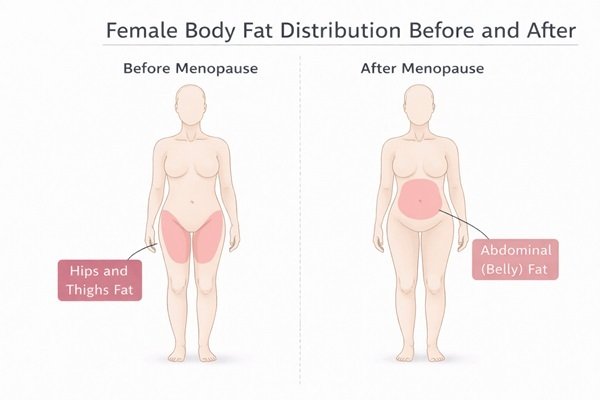
Before menopause, many women carry fat in their hips and thighs. After menopause, fat tends to move toward the abdominal area, creating what many people call “menopause belly.”
The Real Menopause Weight Gain Causes
Weight gain during menopause rarely comes from a single factor. Instead, several biological and lifestyle changes work together.
Let’s look at the most important ones.
1. Declining Estrogen Levels Change Fat Storage
Estrogen plays a major role in how the body distributes fat.
Higher estrogen levels tend to promote fat storage in the hips and thighs. When estrogen declines during menopause, the body shifts toward storing fat in the abdomen.
Researchers from the Journal of Clinical Endocrinology & Metabolism report that lower estrogen levels increase visceral fat, the deeper belly fat that surrounds organs.
This type of fat often raises concerns because it links to metabolic health risks.
In simple terms, the body’s fat storage system changes when estrogen drops. Even if your weight stays similar, your body shape may look different.
And yes, this explains why many women say, “I didn’t gain much weight, but my belly appeared overnight.”
2. Age-Related Muscle Loss Slows Metabolism
Another major factor behind menopause weight gain causes has nothing to do with hormones alone.
It comes from muscle loss.
Adults naturally lose muscle mass with age. Scientists call this process sarcopenia.
Muscle burns more calories than fat, even while resting. When muscle mass decreases, the body burns fewer calories throughout the day.
According to research published in The American Journal of Clinical Nutrition, resting metabolic rate often declines during midlife because of muscle loss.
That means the body may burn 100–200 fewer calories per day compared with earlier years.
This change might sound small, but over time it adds up.
If calorie intake stays the same while calorie burn decreases, weight gain becomes almost inevitable.
3. Sleep Problems Increase Appetite Hormones
Many women notice that sleep becomes unpredictable during menopause.
Hot flashes, night sweats, and stress can interrupt sleep patterns.
Unfortunately, poor sleep can influence weight.
Sleep loss affects two important hormones:
- Ghrelin – increases hunger
- Leptin – signals fullness
Research from the National Sleep Foundation shows that poor sleep raises ghrelin levels and reduces leptin levels. This combination increases appetite and cravings, especially for high-calorie foods.
In other words, when sleep suffers, the brain asks for more snacks.
This explains why menopause and late-night kitchen visits sometimes appear together.
4. Insulin Sensitivity May Decline
Another key menopause weight gain cause involves changes in insulin sensitivity.
Insulin helps regulate blood sugar levels. When the body becomes less sensitive to insulin, it stores more glucose as fat.
Several studies suggest that declining estrogen may influence insulin function and metabolism.
Research published in Diabetes Care found that hormonal changes during menopause may increase the risk of insulin resistance in some women.
This shift does not affect everyone in the same way. However, it can make weight management more challenging for many women during midlife.
5. Lifestyle Habits Often Change in Midlife
Hormones explain a lot, but daily habits also matter.
Midlife often brings major life changes:
- Busy careers
- Caring for aging parents
- Raising teenagers
- Increased stress
These factors can lead to less physical activity and more convenience foods.
Even small changes in routine can affect weight over time.
For example, replacing regular exercise with more sitting hours can significantly reduce daily calorie burn.
The body simply responds to the new environment.
6. Stress and Cortisol Can Increase Belly Fat
Stress tends to rise during midlife. Career pressure, family responsibilities, and hormonal fluctuations can all contribute.
Stress activates the body’s cortisol response.
Cortisol helps the body respond to challenges, but chronically elevated cortisol may encourage fat storage around the abdomen.
Researchers from Harvard Health Publishing explain that high cortisol levels can influence appetite and fat distribution, particularly abdominal fat.
This connection helps explain why stressful periods often coincide with weight changes.
Is Menopause Weight Gain Inevitable?
Here’s some good news.
Menopause does not automatically cause significant weight gain.
Many women maintain a healthy weight during midlife. The key lies in understanding the body’s changing needs.
When women adjust their habits to match these biological changes, they often manage their weight successfully.
That’s why doctors often recommend focusing on strength, metabolism, and sleep rather than chasing extreme diets.
How to Manage Weight During Menopause
Managing weight during menopause does not require drastic measures. Small, consistent habits can make a meaningful difference.
Let’s look at the most effective strategies supported by research.
1. Focus on Strength Training
Strength training helps preserve muscle mass and metabolic rate.
Exercises like:
- Resistance training
- Bodyweight exercises
- Weight lifting
can help maintain muscle during midlife.
The Centers for Disease Control and Prevention (CDC) recommends strength training at least two times per week for adults.
Even light resistance training can support muscle health and metabolic function.
You can also try these 7 Fat-Burning Yoga Poses That Melt Belly Fat After 40 in your daily routine.
2. Prioritize Protein Intake
Protein supports muscle maintenance and helps control appetite.
Several nutrition experts recommend including protein in every meal.
Examples include:
- Eggs
- Fish
- Chicken
- Greek yogurt
- Beans and lentils
Protein also helps maintain stable blood sugar levels, which may support metabolic health.
3. Improve Sleep Quality
Better sleep supports hormone balance and appetite control.

Helpful sleep habits include:
- Keeping a consistent bedtime
- Limiting screen time before bed
- Maintaining a cool bedroom environment
Women experiencing frequent night sweats should consider speaking with their healthcare provider for guidance.
4. Stay Physically Active Throughout the Day
Structured workouts help, but daily movement matters just as much.
Simple activities can increase energy expenditure, including:
- Walking
- Gardening
- Household chores
- Taking stairs
Small movements throughout the day keep metabolism active.
5. Manage Stress Levels
Stress management can support overall health and reduce emotional eating.
Helpful techniques include:
- Yoga
- Meditation
- Breathing exercises
- Regular outdoor activity
Even short relaxation breaks during the day can help lower stress hormones.
Frequently Asked Questions About Menopause Weight Gain
Why does menopause cause weight gain?
Menopause weight gain causes mainly include declining estrogen levels, slower metabolism, and age-related muscle loss. These changes affect how the body burns calories and stores fat. As estrogen decreases during menopause, the body tends to store more fat around the abdomen.
Why do women gain belly fat during menopause?
One of the main menopause weight gain causes is the decline in estrogen levels. This hormonal shift changes fat distribution, causing the body to store more fat around the abdomen rather than the hips and thighs. This abdominal fat is often referred to as visceral fat.
Is menopause weight gain mostly hormonal?
Hormones play a significant role, but they are not the only factor. The most common menopause weight gain causes include hormonal changes, slower metabolism, muscle loss with aging, sleep disturbances, and lifestyle habits such as reduced physical activity or increased stress.
At what age does menopause weight gain usually start?
Many women start noticing menopause weight gain during perimenopause, which often begins in their early to mid-40s. Hormonal fluctuations during this stage can affect metabolism and fat storage, making weight gain more common as women approach menopause.
Why is menopause belly fat so hard to lose?
Menopause belly fat can be difficult to lose because hormonal changes affect metabolism, muscle mass, and fat storage. Lower estrogen levels combined with aging and reduced muscle mass are important menopause weight gain causes that slow down calorie burning.
When Should Women Talk to a Doctor?
Weight changes during menopause are common, but sudden or rapid weight gain may require medical guidance.
Women should consider speaking with a healthcare professional if they experience:
- Unexplained weight changes
- Severe fatigue
- Persistent sleep disruption
- Symptoms of metabolic disorders
Doctors can evaluate hormone levels, thyroid function, and other metabolic factors.
The Bottom Line
Menopause often brings noticeable body changes, but the story behind weight gain is more complex than most people think.
The main menopause weight gain causes include:
- Declining estrogen levels
- Age-related muscle loss
- Sleep disruption
- Changes in insulin sensitivity
- Increased stress
- Lifestyle shifts
These factors influence metabolism and fat distribution during midlife.
The encouraging news is that healthy habits can make a significant difference. Strength training, balanced nutrition, quality sleep, and regular movement all help support a healthy metabolism.
Menopause represents a new stage of life, not a metabolic disaster.
With the right knowledge and practical habits, many women continue to feel strong, active, and healthy well beyond midlife.
Sources
- Mayo Clinic — Menopause Weight Gain
- Mayo Clinic — Menopause Symptoms & Causes
- Women’s Health.gov — Official U.S. Government Source
- Weight gain in midlife women – scientific review study
Author Bio
Jennifer Collins is a wellness researcher and natural health writer focused on adults over 40. With 3+ years of experience in digital health content, Jennifer specializes in making science-backed nutrition and lifestyle strategies easy to follow and apply.
Health Disclaimer
This content is for informational purposes only and is not intended to diagnose, treat, or cure any disease. Always consult your healthcare provider before making changes to your diet or health routine. This article may include affiliate links, which come at no extra cost to you.