
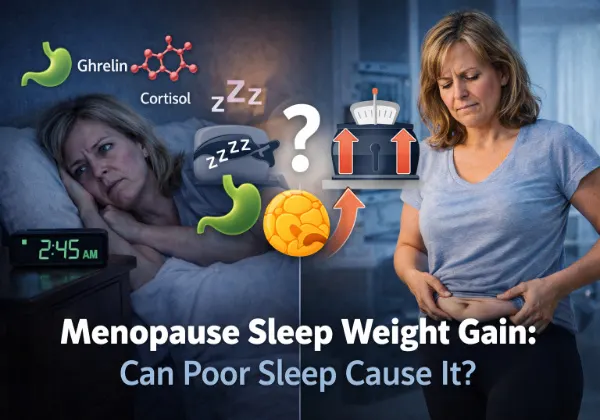
Menopause Sleep Weight Gain! If your scale feels stuck—or worse, creeping up—despite eating “pretty healthy,” your sleep might be the missing piece. Many women in midlife focus on diet and exercise, yet overlook a powerful driver of weight: sleep quality.
Let’s get straight to it yes, poor sleep can contribute to menopause weight gain. And it’s not just about feeling tired. It’s about hormones, metabolism, cravings, and even how your body stores fat.
In this guide, we’ll break down the science in a simple, human way—no fluff, no myths—just real, research-backed insights.
Why Sleep Gets Worse During Menopause
Menopause changes your body in ways that directly affect sleep. The main culprits? Hormones.
Hormonal Shifts That Disrupt Sleep
As estrogen and progesterone decline, your body loses two key sleep-supporting hormones:
- Estrogen helps regulate body temperature and mood
- Progesterone has a calming, sleep-promoting effect
When these drop, you may experience:
- Night sweats and hot flashes
- Frequent waking
- Trouble falling asleep
- Lighter, less restorative sleep
According to the North American Menopause Society (NAMS), up to 60% of women report sleep problems during menopause.
The Link Between Poor Sleep and Weight Gain
Now let’s connect the dots. Sleep and weight don’t just relate—they interact in powerful ways.
1. Sleep Disrupts Hunger Hormones
When you don’t sleep well, your hunger hormones go out of balance:
- Ghrelin increases → you feel hungrier
- Leptin decreases → you feel less full
This combo leads to one thing: overeating, especially late at night.
A study published in the journal Sleep found that sleep deprivation increases appetite and calorie intake, particularly from high-carb and high-fat foods.
2. Cortisol Levels Rise (Hello, Belly Fat)
Poor sleep increases cortisol, your stress hormone.
High cortisol levels:
- Promote fat storage (especially around the belly)
- Increase cravings for sugar and processed foods
- Slow down fat burning
This explains why many women notice stubborn abdominal fat during menopause—even if their habits haven’t changed much.

3. Insulin Sensitivity Drops
Sleep deprivation affects how your body handles sugar.
When you don’t get enough sleep:
- Your body becomes less sensitive to insulin
- Blood sugar stays higher for longer
- Fat storage increases
The National Institutes of Health (NIH) reports that even short-term sleep restriction can reduce insulin sensitivity, increasing the risk of weight gain and metabolic issues.
4. You Burn Fewer Calories
When you feel tired:
- You move less
- You skip workouts
- Your daily energy expenditure drops
Even small decreases in activity add up over time.
And let’s be honest—when you sleep poorly, a couch and snacks sound much better than a workout.
5. Cravings Go Through the Roof
Sleep-deprived brains crave quick energy.
That means:
- Sugary foods
- Refined carbs
- Salty snacks
Research from the University of Chicago shows that sleep loss increases cravings for calorie-dense foods by up to 45%.
So it’s not a lack of willpower—it’s biology.

Why Menopause Makes This Worse
Menopause amplifies the sleep-weight connection.
Here’s why:
- Hormonal changes already slow metabolism
- Muscle mass naturally declines with age
- Fat distribution shifts toward the abdomen
Add poor sleep to this mix, and your body enters a perfect storm for weight gain.
Hormonal changes don’t just affect sleep—they also influence what you eat, which is why avoiding these 10 Shocking Forbidden Foods to Avoid Menopause Weight Gain becomes even more important during menopause.
Signs Your Sleep Is Affecting Your Weight
Not sure if sleep is the issue? Look for these signs:
- You wake up feeling tired despite “enough” hours in bed
- You crave sugar or carbs daily
- Your weight increases without major diet changes
- You feel hungrier at night
- You rely on caffeine to function
If several of these sound familiar, your sleep may be working against you.
How to Improve Sleep During Menopause (and Support Weight Loss)
Here’s the good news: small, consistent changes can improve sleep—and help manage menopause weight gain.
1. Stick to a Consistent Sleep Schedule
Go to bed and wake up at the same time every day—even on weekends.
This helps regulate your internal clock and improves sleep quality.
2. Create a Cool Sleep Environment
Hot flashes love warm rooms.
Keep your bedroom:
- Cool (around 65°F / 18°C)
- Dark
- Quiet

Use breathable fabrics and consider a cooling pillow or mattress topper.
3. Limit Caffeine and Alcohol
- Avoid caffeine after 2 PM
- Limit alcohol—it may make you sleepy, but it disrupts deep sleep
4. Eat Smart in the Evening
Heavy meals late at night can interfere with sleep.
Instead:
- Eat a light, balanced dinner
- Include protein and healthy fats
- Avoid sugary snacks before bed
5. Manage Stress (Lower Cortisol)
Stress and sleep go hand in hand.
Try:
- Deep breathing
- Meditation
- Gentle yoga
- Evening walks
Even 10 minutes can make a difference.
6. Get Morning Sunlight
Exposure to natural light early in the day helps regulate your circadian rhythm.
Aim for 10–20 minutes of sunlight in the morning.
7. Move Your Body Daily
Regular exercise improves both sleep and weight management.
Best options:
- Walking
- Strength training
- Light cardio
Just avoid intense workouts right before bedtime.
Can Better Sleep Really Help You Lose Weight?
Yes—and here’s why.
When you sleep better:
- Hunger hormones stabilize
- Cravings decrease
- Cortisol levels drop
- Energy levels improve
- You make healthier food choices
In short, your body works with you instead of against you.
Sleep won’t replace diet and exercise—but without it, those efforts become much harder.
Frequently Asked Questions
Can poor sleep really cause menopause weight gain?
Yes, poor sleep can directly contribute to menopause weight gain. In fact, the connection behind Menopause Sleep Weight Gain: Can Poor Sleep Cause It? lies in hormonal imbalance. Lack of sleep increases hunger hormones like ghrelin, reduces fullness signals like leptin, and raises cortisol, which promotes belly fat storage. Over time, this leads to increased cravings, overeating, and weight gain.
Why does menopause make sleep problems worse?
Menopause disrupts sleep mainly due to declining estrogen and progesterone levels. These hormonal changes trigger hot flashes, night sweats, and mood shifts, all of which interfere with restful sleep. This is a key factor behind Menopause Sleep Weight Gain: Can Poor Sleep Cause It?, as poor sleep then impacts metabolism and appetite.
How many hours of sleep do women need during menopause to avoid weight gain?
Most women need 7–9 hours of quality sleep per night to support hormone balance and weight control. Consistently sleeping less than this can worsen the cycle described in Menopause Sleep Weight Gain: Can Poor Sleep Cause It?, increasing cravings, slowing metabolism, and promoting fat storage.
Does lack of sleep increase belly fat during menopause?
Yes, sleep deprivation raises cortisol levels, which encourages fat storage—especially around the abdomen. This explains why many women notice stubborn belly fat as part of Menopause Sleep Weight Gain: Can Poor Sleep Cause It?, even without major changes in diet or exercise.
What is the best way to improve sleep and reduce menopause weight gain?
The best approach combines lifestyle habits like maintaining a consistent sleep schedule, reducing caffeine, managing stress, and creating a cool sleep environment. Improving sleep quality can break the cycle highlighted in Menopause Sleep Weight Gain: Can Poor Sleep Cause It? by balancing hormones, reducing cravings, and supporting healthy weight management.
The Bottom Line
So, can poor sleep cause menopause weight gain?
Absolutely.
Sleep affects your hormones, metabolism, appetite, and behavior—all key factors in weight management during menopause.
If you’ve been focusing only on food and exercise, it may be time to shift your attention to your sleep habits.
Because sometimes, the most powerful weight-loss tool isn’t in your kitchen or gym…
It’s in your bedroom.
Sources
- North American Menopause Society (NAMS)
- National Institutes of Health (NIH) – Sleep and Metabolism
- Spiegel K, et al. “Sleep Loss and Appetite Regulation” – Annals of Internal Medicine
- University of Chicago Medicine – Sleep Deprivation and Food Cravings
- National Sleep Foundation
Author Bio
Jennifer Collins is a wellness researcher and natural health writer focused on adults over 40. With 3+ years of experience in digital health content, Jennifer specializes in making science-backed nutrition and lifestyle strategies easy to follow and apply.
Health Disclaimer
This content is for informational purposes only and is not intended to diagnose, treat, or cure any disease. Always consult your healthcare provider before making changes to your diet or health routine. This article may include affiliate links, which come at no extra cost to you.