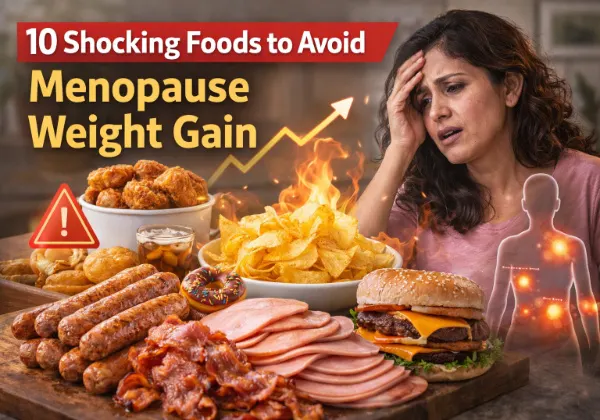
Menopause brings a lot of changes—some expected, some… not so welcome. One of the biggest frustrations many women face is unexplained weight gain, especially around the belly. And no, it’s not just “aging.” Hormones, metabolism, and lifestyle all play a role.
Here’s the truth: certain eating habits can quietly make menopause weight gain worse. If you’ve been doing “everything right” but still seeing the scale creep up, your diet might be working against you.
Let’s break down the foods to avoid menopause weight gain, why they matter, and smarter swaps that actually support your body.
Table of Contents
Why Menopause Changes Weight So Easily
Before blaming your favorite snack, let’s understand what’s happening.
During menopause, estrogen levels drop. This hormonal shift affects how your body stores fat, often pushing it toward the abdominal area. At the same time:
- Metabolism slows down
- Muscle mass declines
- Insulin sensitivity decreases
According to the National Institute on Aging, these changes can lead to increased fat storage even without major diet changes.
So yes, your body isn’t “broken.” It’s just playing by new rules.
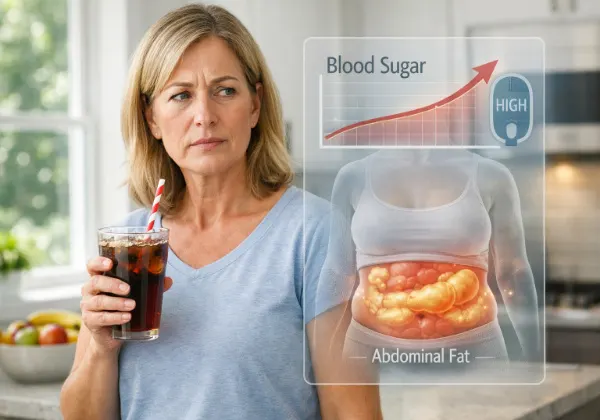
1. Sugary Drinks (Your Silent Weight Gain Trigger)
Sodas, sweetened teas, energy drinks—they all seem harmless until you realize how fast they add up.
These drinks spike blood sugar quickly, which leads to insulin surges. Over time, this promotes fat storage, especially in the belly.
Why they’re a problem:
- No fiber, no satiety
- High in empty calories
- Increase cravings later
Better choice:
Swap for water, herbal tea, or infused water with lemon and mint.
Frequent sugar spikes can also raise stress hormones, which is why understanding Cortisol Menopause Belly Fat Explained: The Hidden Stress & Weight Gain Link after 40 becomes important for long-term weight control.
2. Refined Carbs (White Bread, Pasta, and More)
White bread and pasta may comfort your soul, but they don’t do your metabolism any favors.
Refined carbs digest quickly and cause blood sugar spikes. During menopause, your body struggles more with glucose control, making this even worse.
Why they’re harmful:
- Low fiber content
- High glycemic index
- Promote fat storage
Better choice:
Whole grains like oats, quinoa, and brown rice support steady energy and digestion.
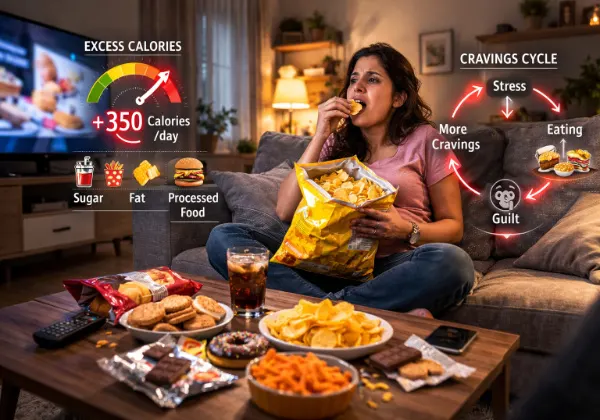
3. Processed Snack Foods (Chips, Crackers, Packaged Treats)
These are engineered to taste irresistible—and they succeed.
Processed snacks combine unhealthy fats, salt, and refined carbs. This combo encourages overeating without satisfying hunger.
The real issue:
- High in calories, low in nutrients
- Disrupt hunger signals
- Easy to overconsume
Better choice:
Nuts, seeds, or roasted chickpeas offer crunch with nutrition.
4. Sugary Breakfast Cereals
Many cereals marketed as “healthy” contain more sugar than a dessert.
Starting your day with sugar sets up a cycle of energy crashes and cravings.
Why to avoid:
- Spikes morning blood sugar
- Leads to mid-morning hunger
- Adds unnecessary calories
Better choice:
Greek yogurt with berries or oatmeal with nuts keeps you full longer.
5. Alcohol (Especially in the Evenings)
A glass of wine feels relaxing—but your metabolism sees it differently.
Your body prioritizes metabolizing alcohol over burning fat. This slows fat loss and encourages weight gain.
Additional concerns:
- Increases appetite
- Disrupts sleep
- Adds hidden calories
Better choice:
Limit intake or opt for alcohol-free alternatives.
6. Fried Foods
Fried foods bring flavor—but also inflammation.
During menopause, your body becomes more sensitive to inflammation, which can contribute to weight gain and metabolic issues.
What makes them worse:
- High in trans fats
- Promote insulin resistance
- Increase calorie intake quickly
Better choice:
Grilled, baked, or air-fried options reduce fat while keeping flavor.
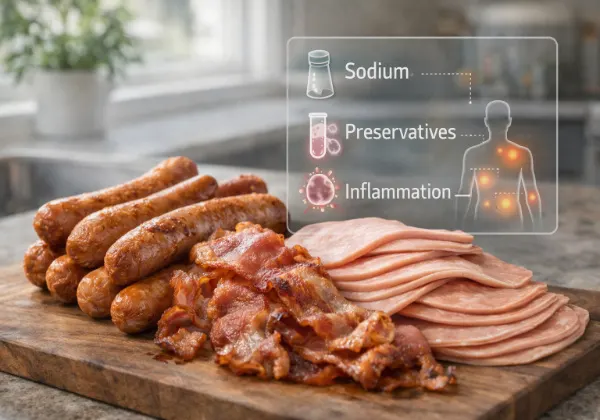
7. Processed Meats (Sausages, Bacon, Deli Meats)
Convenient? Yes. Healthy? Not really.
Processed meats contain preservatives, sodium, and unhealthy fats that can negatively impact metabolism.
Why they’re risky:
- Linked to inflammation
- High sodium causes water retention
- Low nutritional value
Better choice:
Lean proteins like chicken, fish, tofu, or legumes.
8. High-Sugar Desserts
Cookies, cakes, and pastries can sabotage your efforts faster than you think.
They combine sugar and fat—a combo that easily leads to overeating.
The downside:
- Rapid blood sugar spikes
- Poor satiety
- Easy calorie overload
Better choice:
Dark chocolate (in moderation) or fruit-based desserts.
9. Full-Fat Dairy (In Excess)
Dairy itself isn’t bad. But consuming high-fat versions in large amounts can increase calorie intake quickly.
During menopause, calorie needs often decrease, so portion control matters more than ever.
What to watch:
- High saturated fat
- Easy to overconsume
- Adds hidden calories
Better choice:
Low-fat or moderate portions of dairy products.
10. Fast Food (The Perfect Storm for Weight Gain)
Fast food combines everything we’ve mentioned: refined carbs, unhealthy fats, sugar, and salt.
It’s convenient—but your body pays the price.
Why it’s one of the worst:
- Extremely calorie-dense
- Poor nutrient quality
- Encourages overeating
Better choice:
Home-cooked meals with balanced nutrients.
The Bigger Picture: It’s Not Just About Avoiding Foods
Cutting out certain foods helps—but it’s only half the story.
You also need to support your body with the right nutrients.
Focus on:
- Protein to maintain muscle mass
- Fiber to support digestion and fullness
- Healthy fats for hormone balance
According to the Harvard T.H. Chan School of Public Health, balanced diets rich in whole foods help regulate weight and improve metabolic health—especially during hormonal transitions.
Smart Eating Tips to Prevent Menopause Weight Gain
Let’s keep it practical.
- Eat protein with every meal
- Avoid long gaps between meals
- Stay hydrated (often mistaken for hunger)
- Watch portion sizes
- Prioritize sleep (yes, it affects weight!)
And here’s a little humor for perspective:
If your metabolism feels slower, it’s not lazy—it’s just in “energy-saving mode.” You just need to give it better fuel.
Frequently Asked Questions
What are the most important foods to avoid during menopause weight gain?
The most important foods to avoid include sugary drinks, refined carbs, fried foods, processed snacks, and alcohol. These are part of the 10 Shocking Foods to Avoid Menopause Weight Gain because they spike blood sugar, slow metabolism, and increase fat storage—especially around the belly.
Why does menopause make weight gain easier even with the same diet?
Menopause lowers estrogen levels, which affects metabolism, fat distribution, and insulin sensitivity. Even if your diet stays the same, your body may store more fat. That’s why avoiding the 10 Shocking Foods to Avoid Menopause Weight Gain becomes essential for better weight control.
Can avoiding certain foods really reduce menopause belly fat?
Yes, avoiding the 10 Shocking Foods to Avoid Menopause Weight Gain can help reduce belly fat over time. These foods often cause blood sugar spikes and inflammation, both of which contribute to abdominal fat. Replacing them with whole, nutrient-rich foods supports better fat loss.
What should I eat instead of foods that cause menopause weight gain?
Instead of the 10 Shocking Foods to Avoid Menopause Weight Gain, focus on lean proteins, fiber-rich vegetables, whole grains, and healthy fats like nuts and olive oil. These foods help balance hormones, improve metabolism, and keep you full longer.
How quickly can diet changes impact menopause weight gain?
You may notice changes in energy and bloating within a few weeks after removing the 10 Shocking Foods to Avoid Menopause Weight Gain. Sustainable fat loss takes time, but consistent healthy eating can show visible results within 6–8 weeks.
Final Thoughts
Menopause weight gain doesn’t happen overnight—and it doesn’t go away with crash diets either.
The key lies in understanding your body and making smarter food choices. By limiting the foods to avoid menopause weight gain, you give your metabolism a fighting chance.
Small changes, done consistently, create real results.
Sources
- National Institute on Aging – Weight gain and menopause
- Harvard T.H. Chan School of Public Health – Healthy Eating Plate
- Mayo Clinic – Menopause and weight gain
- Cleveland Clinic – Hormones and weight gain
Author Bio
Jennifer Collins is a wellness researcher and natural health writer focused on adults over 40. With 3+ years of experience in digital health content, Jennifer specializes in making science-backed nutrition and lifestyle strategies easy to follow and apply.
Health Disclaimer
This content is for informational purposes only and is not intended to diagnose, treat, or cure any disease. Always consult your healthcare provider before making changes to your diet or health routine. This article may include affiliate links, which come at no extra cost to you.