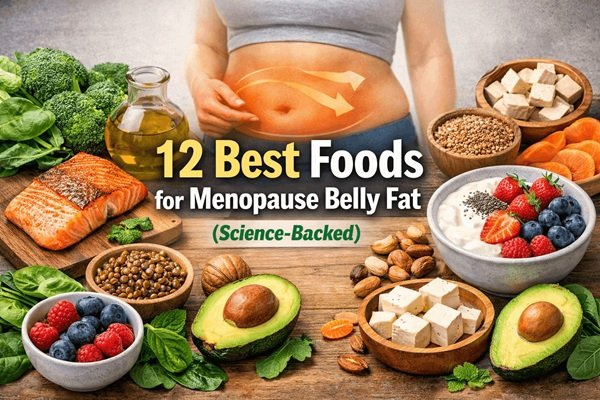
Menopause brings many changes to a woman’s body. One of the most frustrating changes is belly fat that seems to appear almost overnight. Many women notice their waistline expanding even when their eating habits stay the same.
This shift is not your imagination. Hormonal changes during menopause influence where your body stores fat. As estrogen levels drop, fat tends to move toward the abdominal area. According to the Mayo Clinic, women commonly experience an increase in abdominal fat after menopause due to hormonal changes and aging metabolism.
The good news is that your diet can help manage this change. Certain foods support metabolism, reduce inflammation, and help control hunger — all important factors when tackling menopause belly fat.
This guide covers 12 science-backed foods for menopause belly fat that support weight management and overall health.
Why Belly Fat Increases During Menopause
Before we dive into the foods, it helps to understand what’s happening inside your body.
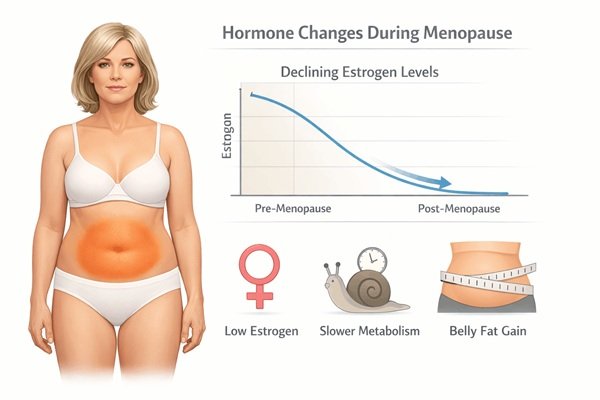
During menopause:
- Estrogen levels decline
- Muscle mass slowly decreases
- Metabolism becomes slower
These factors make fat storage around the abdomen more likely. Lifestyle factors such as stress, sleep patterns, and reduced physical activity can also contribute.
Research shows that plant-focused diets rich in fiber, healthy fats, and lean proteins help manage weight and reduce metabolic risks during menopause.
Many women also notice a metabolism slowdown after 40 women, which makes it easier for the body to store fat around the abdomen even without major changes in diet.
The goal is not crash dieting. The real strategy involves eating foods that support hormones, control appetite, and stabilize blood sugar.
Let’s explore the foods that can help.
1. Fatty Fish
Fatty fish such as salmon, sardines, and mackerel provide omega-3 fatty acids, which help reduce inflammation and support metabolic health.
These healthy fats also support heart health — an important factor for women after menopause.
Omega-3 fats may also improve insulin sensitivity, which helps prevent fat storage around the abdomen.
Good options include:
- Salmon
- Sardines
- Mackerel
- Trout
Try adding fatty fish to your meals two or three times a week.
2. Greek Yogurt
Greek yogurt is one of the best protein-rich foods for menopause belly fat.
High-protein foods help maintain muscle mass. This matters because muscle naturally declines with age, and muscle plays a key role in burning calories.
Greek yogurt also contains probiotics that support gut health and digestion.
Nutrition experts frequently recommend it because protein and probiotics help increase fullness and improve metabolic health.
A simple tip: choose plain Greek yogurt and add berries instead of buying sugary flavored versions.
3. Leafy Green Vegetables
Spinach, kale, and Swiss chard may not look exciting on your plate, but they are nutritional powerhouses.
Leafy greens provide:
- Fiber
- Magnesium
- Antioxidants
- Very few calories
These nutrients support digestion and reduce inflammation.
Dietitians also highlight vegetables like spinach as helpful for lowering visceral fat — the deep abdominal fat linked to health risks.
Add leafy greens to smoothies, salads, or stir-fries.
Your waistline (and your doctor) will thank you.
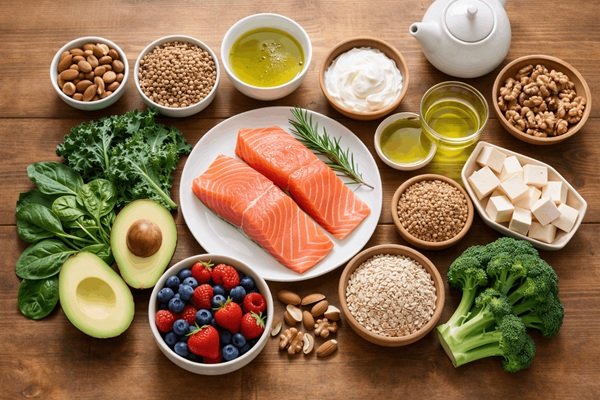
4. Lentils and Beans
Lentils and beans offer a powerful combination of plant protein and fiber.
This combination helps:
- Control hunger
- Stabilize blood sugar
- Improve digestion
Fiber slows digestion, which keeps you feeling full longer. That means fewer snack attacks at 9 p.m.
Legumes such as lentils and chickpeas are commonly recommended in Mediterranean-style diets because they support weight control and long-term health.
Great options include:
- Lentils
- Chickpeas
- Black beans
- Kidney beans
5. Whole Grains
Whole grains provide complex carbohydrates and fiber that support steady energy levels.
Unlike refined carbs, whole grains digest slowly and prevent blood sugar spikes that encourage fat storage.
Healthy whole grains include:
- Oats
- Brown rice
- Quinoa
- Whole-grain bread
Nutrition guidelines for menopausal women recommend replacing refined carbohydrates with fiber-rich grains to support metabolic health.
Your body prefers slow, steady fuel — not sugar roller coasters.
6. Avocados
Avocados contain monounsaturated fats, which help support hormone production and satiety.
Healthy fats also slow digestion and help control appetite.
Some research suggests that compounds in avocados may influence stress hormones that contribute to abdominal weight gain.
In simple terms, avocados help you stay satisfied after meals.
Add them to salads, sandwiches, or smoothies.
Just remember: healthy fat is still calorie-dense. Moderation matters.
7. Soy Foods
Soy foods contain phytoestrogens, plant compounds that mimic weak estrogen in the body.
These compounds may help ease menopause symptoms and support metabolic balance.
Soy foods also provide high-quality plant protein.
Common options include:
- Tofu
- Tempeh
- Edamame
- Soy milk
Research suggests that regular soy consumption may help reduce central abdominal fat in menopausal women.
Plus, tofu works surprisingly well in stir-fries — even if it doesn’t look exciting at first glance.
8. Berries
Berries are small but powerful.
They provide antioxidants that help reduce inflammation linked to weight gain and metabolic disorders.
They also deliver fiber, which supports fullness and gut health.
Healthy choices include:
- Blueberries
- Strawberries
- Raspberries
- Blackberries
These fruits also satisfy sweet cravings without causing major blood sugar spikes.
Think of them as nature’s dessert — but with actual nutritional benefits.
9. Nuts and Seeds
Nuts and seeds contain healthy fats, protein, and fiber, making them ideal snacks for menopause weight management.
They help reduce hunger and improve satiety.
Examples include:
- Almonds
- Walnuts
- Chia seeds
- Flaxseeds
- Pumpkin seeds
Omega-3 rich seeds like flax and chia also support hormonal health.
Research shows these healthy fats can help reduce inflammation and support metabolic function.
Just keep portion sizes reasonable — a handful is enough.
10. Olive Oil
Olive oil is a key component of the Mediterranean diet.
This diet pattern consistently shows benefits for weight management and heart health.
Olive oil contains polyphenols and monounsaturated fats that support metabolic health and reduce inflammation.
Instead of cooking with butter or processed oils, try:
- Drizzling olive oil on vegetables
- Using it in salad dressings
- Cooking lean proteins with it
Simple swap. Big benefit.
11. Cruciferous Vegetables
Broccoli, cauliflower, and Brussels sprouts deserve a spot on your plate.
These vegetables contain compounds that support detoxification and hormone metabolism.
They also provide fiber and antioxidants that help reduce inflammation and support weight control.
Cruciferous vegetables are especially useful because they keep you full without adding many calories.
That means you can eat a lot of them without worrying about your waistline.
12. Green Tea
Green tea is not technically a food, but it deserves a place on this list.
Green tea contains catechins, natural antioxidants that may help increase fat burning and metabolism.
Studies suggest green tea may help support weight management when combined with a healthy diet and regular exercise.
Plus, it offers a simple replacement for sugary drinks.
And let’s be honest — your body probably prefers green tea over soda anyway.
Foods That Worsen Menopause Belly Fat
While adding healthy foods matters, removing certain foods helps just as much.
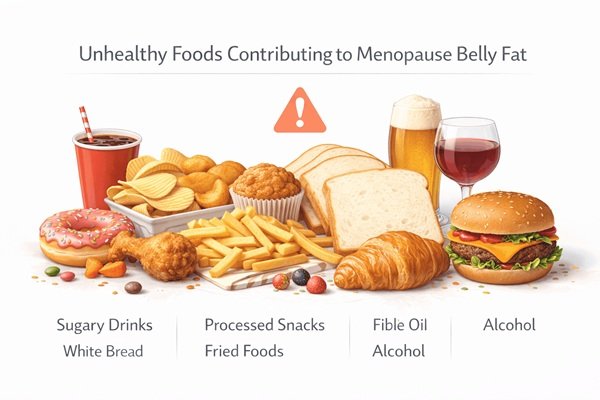
Dietitians often recommend limiting:
- Sugary drinks
- Refined carbohydrates
- Ultra-processed foods
- Excess alcohol
These foods increase blood sugar spikes and encourage abdominal fat storage.
A balanced, whole-food diet works far better than extreme dieting.
Lifestyle Tips That Boost Results
Food plays a major role, but lifestyle habits also matter.
For better results:
- Strength train to preserve muscle
- Walk daily or stay physically active
- Prioritize sleep
- Manage stress levels
Combining exercise with healthy eating remains the most reliable strategy for reducing abdominal fat at any age.
Consistency always beats perfection.
Frequently Asked Questions
What are the best foods for menopause belly fat?
The best foods for menopause belly fat include nutrient-dense options that support metabolism and hormone balance. Fatty fish, leafy greens, berries, beans, Greek yogurt, and whole grains help control hunger and reduce inflammation. These foods provide fiber, protein, and healthy fats that help manage weight and support overall health during menopause.
Can certain foods really help reduce menopause belly fat?
Yes. Some foods for menopause belly fat can support weight management by improving metabolism, stabilizing blood sugar, and reducing inflammation. High-fiber foods like vegetables, legumes, and whole grains help you feel full longer, while protein-rich foods such as Greek yogurt and fish help maintain muscle mass, which is important for burning calories.
What foods should I avoid if I want to reduce menopause belly fat?
If you want to reduce menopause belly fat, limit foods that increase blood sugar spikes and fat storage. These include sugary drinks, refined carbohydrates, ultra-processed snacks, and excessive alcohol. Instead, focus on whole foods for menopause belly fat such as vegetables, lean proteins, healthy fats, and fiber-rich grains.
How long does it take for foods for menopause belly fat to show results?
Results vary depending on lifestyle, activity level, and overall diet. However, consistently eating healthy foods for menopause belly fat and staying active can support gradual fat loss over several weeks or months. Sustainable habits, including balanced meals and regular exercise, usually produce better long-term results than quick diets.
Do high-protein foods help with menopause belly fat?
Yes, high-protein options are some of the most effective foods for menopause belly fat. Protein helps maintain muscle mass, which naturally declines with age and menopause. Foods like Greek yogurt, fish, eggs, tofu, and legumes also increase fullness and help prevent overeating, which supports healthy weight management.
Final Thoughts
Menopause belly fat can feel frustrating, but it does not appear without reason. Hormonal changes, aging metabolism, and lifestyle habits all play a role.
The solution is not extreme dieting.
Instead, focus on whole, nutrient-dense foods that support metabolism and hormone balance.
Adding foods such as fatty fish, leafy greens, beans, berries, soy, and healthy fats can help control appetite, reduce inflammation, and support long-term weight management.
Small daily choices create lasting results.
And remember — menopause is not the end of feeling healthy or confident. It is simply a new stage where your body needs a slightly smarter nutrition strategy.
Sources & Medical References
Mayo Clinic
Healthline – Menopause Diet
University of Chicago Medicine
PubMed Central – Nutrition in Menopause
Author Bio
Jennifer Collins is a wellness researcher and natural health writer focused on adults over 40. With 3+ years of experience in digital health content, Jennifer specializes in making science-backed nutrition and lifestyle strategies easy to follow and apply.
Health Disclaimer
This content is for informational purposes only and is not intended to diagnose, treat, or cure any disease. Always consult your healthcare provider before making changes to your diet or health routine. This article may include affiliate links, which come at no extra cost to you.