Introduction: The Health Topic No Man Wants to Talk About — But Should
Once men cross the age of 40, prostate health becomes a critical topic — whether or not it’s talked about openly. In the United States, prostate issues are incredibly common. According to the CDC, prostate problems— including prostatitis, benign prostatic hyperplasia (BPH), and even prostate cancer — affect 1 in 8 men at some point in their lives.
The challenge? Most men ignore the early warning signs until symptoms become severe.
This article outlines:
- The early signs of prostate issues
- Why early detection matters
- Natural ways to support prostate health
- When to talk to your doctor
Table of Contents
Why Prostate Health Matters After 40
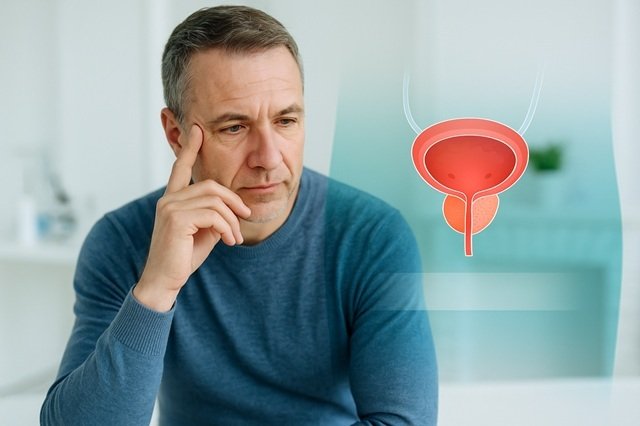
The prostate is a small gland located below the bladder. It plays a vital role in male reproductive function, but it also tends to grow with age.
An enlarged prostate can lead to:
- Urinary problems
- Disrupted sleep
- Discomfort
- Increased risk of infections
- Higher risk for prostate-related diseases
Staying informed could help prevent serious complications later — or even save your life.

1. Frequent Urination — Especially at Night
One of the first signs of prostate problems is needing to urinate more frequently, especially during the night (nocturia).
You might notice:
- Waking up 2–4+ times a night
- Sudden urges to urinate
- Decreased urine flow
This happens when the prostate begins to press against the urethra, restricting flow and irritating the bladder.
2. Difficulty Starting or Stopping Urination
If you notice a hesitant stream or feel like you can’t “get going” or fully empty your bladder, your prostate may be the issue.
Many men describe:
- Standing at the toilet for minutes
- A feeling of incomplete urination
- Intermittent flow
These are early symptoms of BPH (benign prostatic hyperplasia).
3. Weak or Dribbling Urine Stream
A weakening stream or dribble after urination is more than an inconvenience — it’s a red flag for prostate obstruction.
This symptom can signal:
- Prostate swelling
- Urethral constriction
- Chronic inflammation
4. Pain or Burning Sensation During Urination or Ejaculation
Pain when urinating or during ejaculation can point to prostatitis, a common condition involving inflammation or infection of the prostate.
Symptoms may include:
- Sharp pelvic pain
- Discomfort in the lower back
- A dull ache behind the scrotum
While not always serious, prostatitis can become chronic if ignored.

5. Blood in Urine or Semen (Hematuria)
Seeing blood in your urine or semen should always prompt a medical check. While it could be due to infection or minor injury, it may also be a sign of advanced prostate issues, including prostate cancer.
6. Pain in the Lower Back, Hips, or Pelvis
Chronic, unexplained pain in these areas — especially when combined with urinary symptoms — may indicate a more serious condition.
Pain could stem from:
- Prostate inflammation
- Nerve pressure
- Cancer spreading beyond the gland
7. Sudden Erectile Performance Changes
While many factors affect performance (like stress, sleep, or heart health), a sudden or lasting change in intimate function can sometimes be tied to prostate health.
An inflamed or enlarged prostate can interfere with:
- Blood flow
- Nerve signals
- Hormone balance
When to See a Doctor
If you’re over 40 and notice any of these symptoms — even mild ones — schedule a routine prostate exam.
Standard screenings may include:
- Digital rectal exam (DRE)
- PSA blood test
- Ultrasound or urine flow study
Early detection is the best defense — especially for prostate cancer, which is highly treatable if caught early.
Natural Tips to Support Prostate Health After 40
Alongside regular checkups, these lifestyle habits can help reduce your risk of prostate issues and support long-term urinary wellness.
1. Eat a Prostate-Friendly Diet
- Tomatoes (rich in lycopene)
- Broccoli and cruciferous vegetables
- Pumpkin seeds (zinc)
- Green tea
- Omega-3 rich fish (salmon, sardines)
2. Maintain a Healthy Weight
Excess belly fat increases inflammation, which can worsen prostate problems.
3. Stay Active
Regular walking, strength training, and yoga support hormone balance and circulation.
4. Limit Red Meat and Alcohol
Heavy intake of these has been linked to prostate issues in various studies.
5. Stay Hydrated — But Smartly
Drink enough water, but reduce fluid intake 1–2 hours before bedtime to avoid nocturia.

Did You Know? Belly Fat May Also Be a Sign of Hormonal Imbalance
Many men over 40 notice stubborn belly fat that’s hard to lose. This can be connected to both hormonal shifts and prostate health.
Want to reduce your Belly Fat Also, Please click here
Improving your diet and reducing inflammation can benefit both areas.
FREE BONUS RESOURCE
Want to Support Your Prostate Naturally?
Download our free guide:
“7 Natural Prostate Secrets (Doctor Don’t Tell You)”These Natural Ways support digestion, hormonal health, and help reduce inflammation — which may indirectly support prostate health too.
Looking for a natural, trusted supplement to support prostate and hormone balance?
🔗 View the doctor-recommended supplement here
Final Thoughts: Don’t Wait to Take Prostate Health Seriously
If you’re over 40, it’s time to make prostate health part of your regular wellness routine.
Early detection, smart habits, and consistent care can help you avoid serious complications down the road.
Listen to your body. Know the signs. Take action early — and protect your future health.
Author Bio
Written by Michael Turner – Digital Wellness Researcher. Michael writes evidence-based guides on nutrition and fitness, with a focus on healthy living after 40.
Disclaimer:
This article is for informational purposes only and is not intended to replace medical advice. Always consult a licensed healthcare provider before beginning any new health regimen. Some links in this article may be affiliate links, meaning we may earn a small commission at no extra cost to you.