

Menopause brings a lot of changes. Some feel manageable. Others—like stubborn belly fat—feel frustrating and confusing. You eat well, stay active, and still notice your waistline expanding. What’s going on?
The answer often points to one key factor: stress hormones, especially cortisol. If you’ve searched for cortisol menopause belly fat, you’re already on the right track.
Let’s break this down in a clear, science-backed, and practical way—without fluff or myths.
Table of Contents
Understanding Menopause and Hormonal Shifts
Menopause marks the end of menstrual cycles. It usually happens between ages 45 and 55. During this time, your body reduces production of estrogen and progesterone.
These hormones do more than regulate periods. They also influence:
- Fat distribution
- Metabolism
- Appetite
- Insulin sensitivity
When estrogen drops, your body starts storing more fat around the abdomen instead of the hips and thighs. This shift alone explains part of the belly fat story—but not all of it.
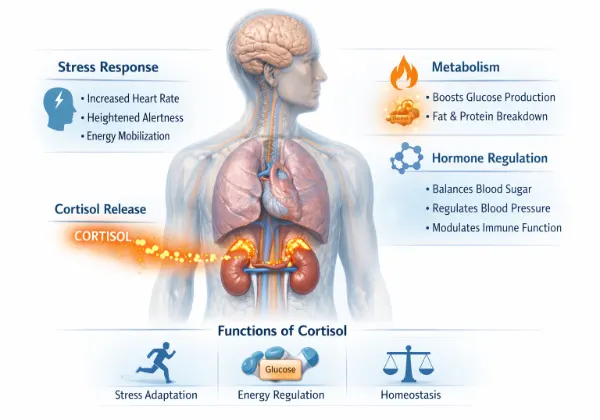
Stress plays a bigger role than most people realize.
What Is Cortisol and Why Does It Matter?
Cortisol is often called the stress hormone, but it does much more than handle stressful situations.
Your body releases cortisol from the adrenal glands to:
- Regulate metabolism
- Control blood sugar
- Manage inflammation
- Help you respond to stress
In short bursts, cortisol helps you survive. But when stress sticks around, cortisol stays elevated—and that’s where problems begin.
The Link Between Cortisol and Belly Fat
Let’s connect the dots.
When cortisol levels stay high for long periods, your body reacts in several ways that promote fat storage—especially in the abdominal area.
1. Increased Fat Storage Around the Abdomen
Research shows that high cortisol levels encourage fat storage in visceral fat—the deep fat around your organs.
This type of fat responds more strongly to cortisol than fat in other areas. That’s why stress tends to show up around your belly first.
2. Blood Sugar Imbalance and Insulin Resistance
Cortisol raises blood sugar levels to provide quick energy. That’s useful in emergencies—but not when it happens all day.
Over time, this can lead to:
- Insulin resistance
- Increased fat storage
- Stronger cravings for sugar and carbs
During menopause, your body already becomes less sensitive to insulin. Add chronic stress, and the effect doubles.
3. Increased Appetite and Cravings
Ever noticed how stress makes you reach for snacks?
That’s not a lack of willpower—it’s biology.
Cortisol:
- Increases appetite
- Triggers cravings for high-calorie foods
- Encourages emotional eating
Combine that with menopause-related hormonal shifts, and it becomes much harder to maintain a calorie balance.
4. Muscle Loss and Slower Metabolism
Menopause naturally reduces muscle mass. Less muscle means fewer calories burned at rest.
High cortisol makes this worse by:
- Breaking down muscle tissue
- Slowing metabolic rate
This combination makes fat gain easier—even if your eating habits haven’t changed much.
Why Stress Hits Harder During Menopause
You might wonder: why does stress feel more intense during this stage of life?
Here’s what changes:
Hormonal Imbalance
Lower estrogen affects how your brain regulates stress. Estrogen normally helps buffer cortisol levels. Without it, cortisol spikes more easily.
Sleep Disruptions
Hot flashes, night sweats, and anxiety often disrupt sleep.
Poor sleep increases cortisol levels. It also affects hunger hormones like ghrelin and leptin, making you feel hungrier the next day.
Life Stressors
Many women face multiple pressures during midlife:
- Career demands
- Family responsibilities
- Aging parents
- Health concerns
This constant stress keeps cortisol levels elevated.

Signs Your Belly Fat May Be Stress-Related
Not all belly fat comes from stress. But certain signs point toward cortisol as a major factor:
- Fat accumulates mainly around the waist
- You feel tired but wired
- Cravings increase, especially for sugar
- Sleep feels poor or inconsistent
- You struggle to lose weight despite effort
If these sound familiar, stress management should become a priority—not an afterthought.
How to Reduce Cortisol and Belly Fat Naturally
Now the important part: what can you actually do?
No gimmicks here—just evidence-based strategies that work.
1. Prioritize Quality Sleep
Sleep directly affects cortisol levels.
Aim for 7–9 hours per night. To improve sleep:
- Keep a consistent sleep schedule
- Avoid screens before bed
- Reduce caffeine after noon
- Keep your bedroom cool and dark
Better sleep helps regulate appetite, metabolism, and stress hormones.
2. Manage Stress Daily (Not Occasionally)
You don’t need a week-long retreat. Small daily habits work better.
Try:
- Deep breathing (5–10 minutes)
- Meditation or mindfulness
- Journaling
- Spending time outdoors
Even short sessions can lower cortisol levels significantly.
3. Strength Training Is Non-Negotiable
If menopause had a “secret weapon,” this would be it.
Strength training helps:
- Build muscle
- Boost metabolism
- Improve insulin sensitivity
- Reduce visceral fat
Aim for 2–4 sessions per week. Focus on major muscle groups.
4. Eat to Stabilize Blood Sugar
Your diet should support hormone balance—not fight it.
Focus on:
- Lean protein (chicken, fish, legumes)
- Healthy fats (nuts, seeds, olive oil)
- Fiber-rich foods (vegetables, whole grains)
Avoid frequent sugar spikes. They increase both insulin and cortisol.
5. Limit Ultra-Processed Foods
Highly processed foods often contain:
- Added sugars
- Refined carbs
- Unhealthy fats
These foods worsen inflammation and hormonal imbalance.
Stick to whole, minimally processed foods whenever possible.
6. Stay Physically Active (But Avoid Overtraining)
Exercise helps reduce stress—but too much intense exercise can raise cortisol.
Balance matters.
Best options include:
- Walking
- Strength training
- Yoga
- Light cardio
If you feel exhausted after workouts, scale back.

7. Support Gut Health
Emerging research shows a strong link between gut health and stress regulation.
A healthy gut can help lower inflammation and improve hormone balance.
Include:
- Probiotic foods (yogurt, kefir)
- Fiber-rich vegetables
- Fermented foods
8. Stay Social and Connected
Isolation increases stress. Connection reduces it.
Make time for:
- Friends
- Family
- Community activities
Even simple conversations can lower cortisol levels.
A high-protein diet can help control cravings and stabilize blood sugar—this guide on Protein Foods Women Over 40 Should Eat to Lose Weight explains exactly what to include.
Common Mistakes That Make Belly Fat Worse
Let’s clear up a few common traps.
Skipping Meals
This spikes cortisol and increases cravings later.
Overdoing Cardio
Endless cardio without strength training can raise cortisol and slow fat loss.
Following Extreme Diets
Crash diets increase stress on the body. They often lead to muscle loss and rebound weight gain.
Ignoring Stress Completely
Many people focus only on diet and exercise. They ignore stress—which often drives the problem.
The Big Picture: It’s Not Just About Calories
Yes, calories matter. But hormones decide how your body uses those calories.
During menopause, your body becomes more sensitive to:
- Stress
- Sleep quality
- Hormonal balance
That’s why the cortisol menopause belly fat connection matters so much.
You can’t out-diet chronic stress. But you can manage it—and when you do, your body responds.
Frequently Asked Questions
What is the link between cortisol and menopause belly fat?
Cortisol plays a major role in fat storage during menopause. In Cortisol Menopause Belly Fat Explained: Stress & Weight Gain Link, elevated stress hormones increase abdominal fat by promoting insulin resistance, cravings, and visceral fat storage around the organs.
Why does stress cause belly fat during menopause?
Stress increases cortisol levels, which signals the body to store fat—especially in the abdominal area. As explained in Cortisol Menopause Belly Fat Explained: Stress & Weight Gain Link, hormonal changes during menopause make women more sensitive to stress-related weight gain.
How can I reduce cortisol menopause belly fat naturally?
You can lower cortisol by improving sleep, managing stress, and doing strength training. According to Cortisol Menopause Belly Fat Explained: Stress & Weight Gain Link, balanced nutrition and regular physical activity also help reduce belly fat effectively.
Does high cortisol always lead to weight gain during menopause?
Not always, but chronic high cortisol often contributes to belly fat. In Cortisol Menopause Belly Fat Explained: Stress & Weight Gain Link, long-term stress combined with hormonal changes increases the risk of abdominal weight gain.
What foods help reduce cortisol and menopause belly fat?
Foods rich in protein, fiber, and healthy fats help regulate cortisol levels. As highlighted in Cortisol Menopause Belly Fat Explained: Stress & Weight Gain Link, whole foods like vegetables, nuts, and lean proteins support hormone balance and fat loss.
Final Thoughts
Belly fat during menopause doesn’t happen overnight. And it won’t disappear overnight either.
But once you understand the role of cortisol, things start to make sense.
Focus on:
- Reducing stress
- Improving sleep
- Building muscle
- Eating balanced meals
These steps don’t just help with fat loss—they improve overall health and energy.
And let’s be honest—feeling better matters just as much as looking better.
Sources
- Harvard Health Publishing
- Mayo Clinic – Menopause
- National Institute on Aging
- Cleveland Clinic – Cortisol and Stress
- Endocrine Society – Hormones and Metabolism
- Sleep Foundation – Sleep and Hormones
Author Bio
Jennifer Collins is a wellness researcher and natural health writer focused on adults over 40. With 3+ years of experience in digital health content, Jennifer specializes in making science-backed nutrition and lifestyle strategies easy to follow and apply.
Health Disclaimer
This content is for informational purposes only and is not intended to diagnose, treat, or cure any disease. Always consult your healthcare provider before making changes to your diet or health routine. This article may include affiliate links, which come at no extra cost to you.